I make $170k a year and Dave Ramsey called me broke – here’s how I screwed up
When we think about people who tend to live paycheck to paycheck with serious debt, we might naturally picture lower earners. But that’s not the situation for James, who called Dave Ramsey with a conundrum. He earns $170,000 a year…

This post may contain links from our sponsors and affiliates, and Flywheel Publishing may receive compensation for actions taken through them.

When we think about people who tend to live paycheck to paycheck with serious debt, we might naturally picture lower earners. But that’s not the situation for James, who called Dave Ramsey with a conundrum. He earns $170,000 a year but owes $27,000 on his credit cards and doesn’t see a way out. This is a classic example of the “HENRY” trap—High Earner, Not Rich Yet.
My first thought when I heard those details was that this guy should be able to knock out that debt quickly. But James is battling “lifestyle creep,” where expenses rise to meet or exceed every salary bump. To fix this, he needs to implement a “reverse budget,” where savings are automated the moment he is paid, effectively making the extra income invisible so it can’t be spent.
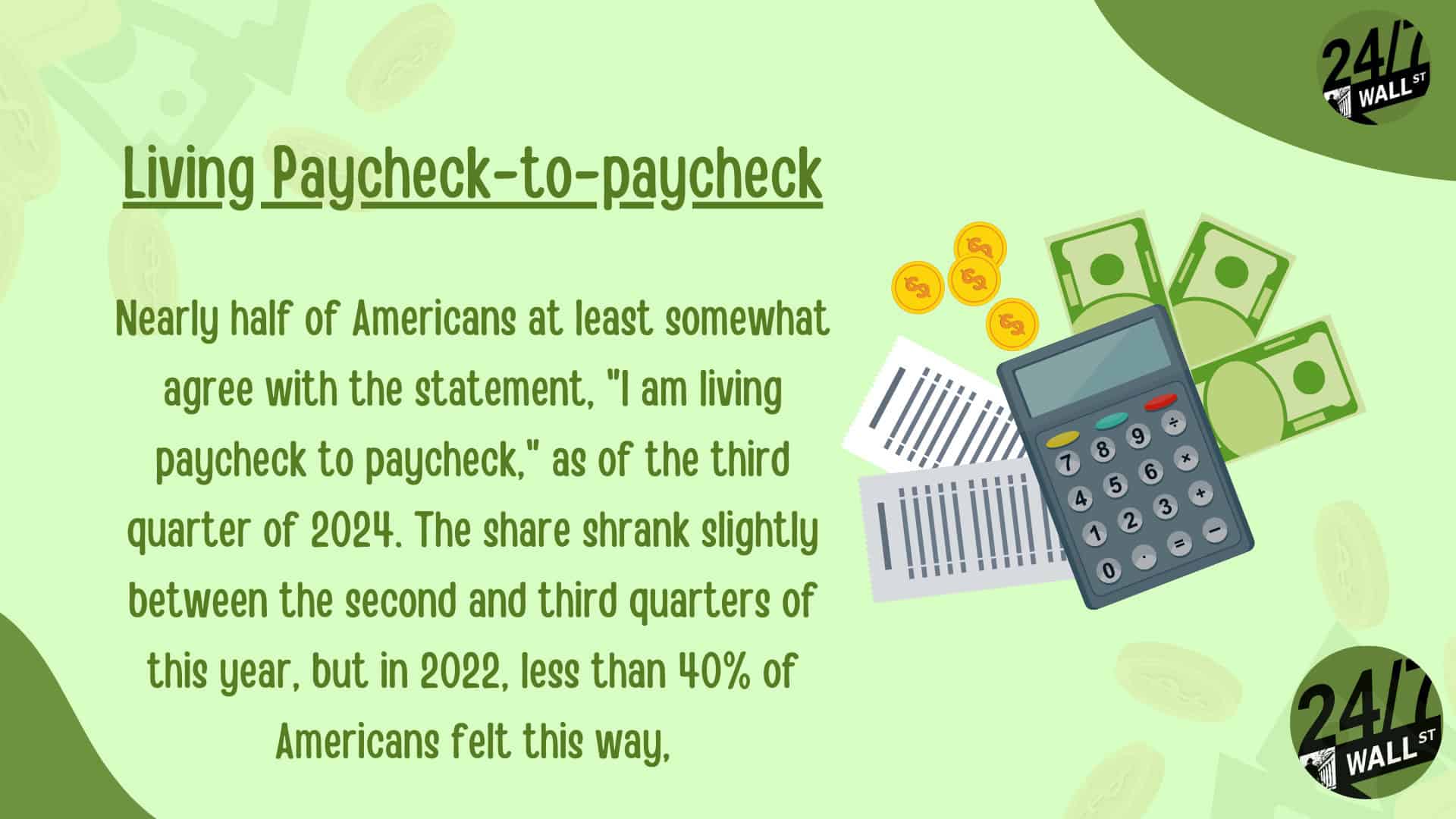
When you become your own worst enemy
James claims that he’s tried budgeting apps and lacks discipline. Ramsey thinks he’s largely making excuses, but the reality is a mix of circumstances and poor choices. James splits his time between New York and Florida, spending $3,200 per month on rent while subsidizing his girlfriend’s lifestyle and renting cars.
This dual-state living arrangement presents a massive, overlooked opportunity regarding the 183-day rule. If James legally establishes Florida as his primary residence, the state income tax savings on a $170,000 salary could likely pay off his entire debt within a single year. Understanding tax residency is often the fastest way for high earners to find “missing” capital without changing their daily habits.
Getting back on track
Ramsey’s advice is to “light a fire” and treat the debt like an emergency. While that mindset shift is vital, James should also consider the “Debt Avalanche” method. Unlike the “Debt Snowball,” the Avalanche targets high-interest credit card balances first, which makes more mathematical sense for a high earner and could save him thousands in interest charges.
I also believe James needs a fee-only fiduciary financial advisor. This is different from a typical wealth manager; he needs a professional who acts as a financial coach to handle the behavioral side of his spending. A professional can help him run the exact calculations on how much his current interest rates are costing him and build a rigid roadmap to zero debt.
Ultimately, a change in mindset combined with technical strategies like residency optimization and the Debt Avalanche can lead to a much more favorable financial picture. By quantifying the “savings gap” and ignoring the money he doesn’t need for essentials, James can finally break the cycle of living paycheck to paycheck.
Editor’s Note: This article includes new sections regarding the 183-day rule for tax residency between New York and Florida, the implementation of a reverse budget to combat lifestyle creep, and a comparison between the Debt Avalanche and Debt Snowball payoff methods. It also clarifies the distinction between traditional wealth managers and fee-only fiduciaries for high-income earners.
Contact [email protected] for any questions or corrections.
Maurie Backman has more than a decade of experience writing about financial topics, including retirement, investing, Social Security, and real estate. Her work has appeared on sites that include The Motley Fool, USA Today, U.S. News & World Report, The Washington Post, and Kiplinger.
Prior to becoming a full-time financial writer, Maurie worked in the financial industry trading distressed debt. She then changed course and spent a few years designing electronic toys. After a stint in content marketing and UX, she shifted back into writing and has since covered everything from the housing market to estate planning to Medicare.
When she's not busy writing, Maurie can be found hiking, walking her dogs, driving her kids to their various sports practices and games, and curling up with a good book. She cooks on occasion and bakes way too often.