Does BP’s $5.4 Billion Write-Down Signal the End of the Green Transition?
BP (NYSE: BP | BP Price Prediction) just confirmed what many already suspected: Big Oil’s renewable energy pivot was an expensive mistake. The British oil giant took a $5.4 billion write-down on its green energy portfolio in 2025, including $3.5…

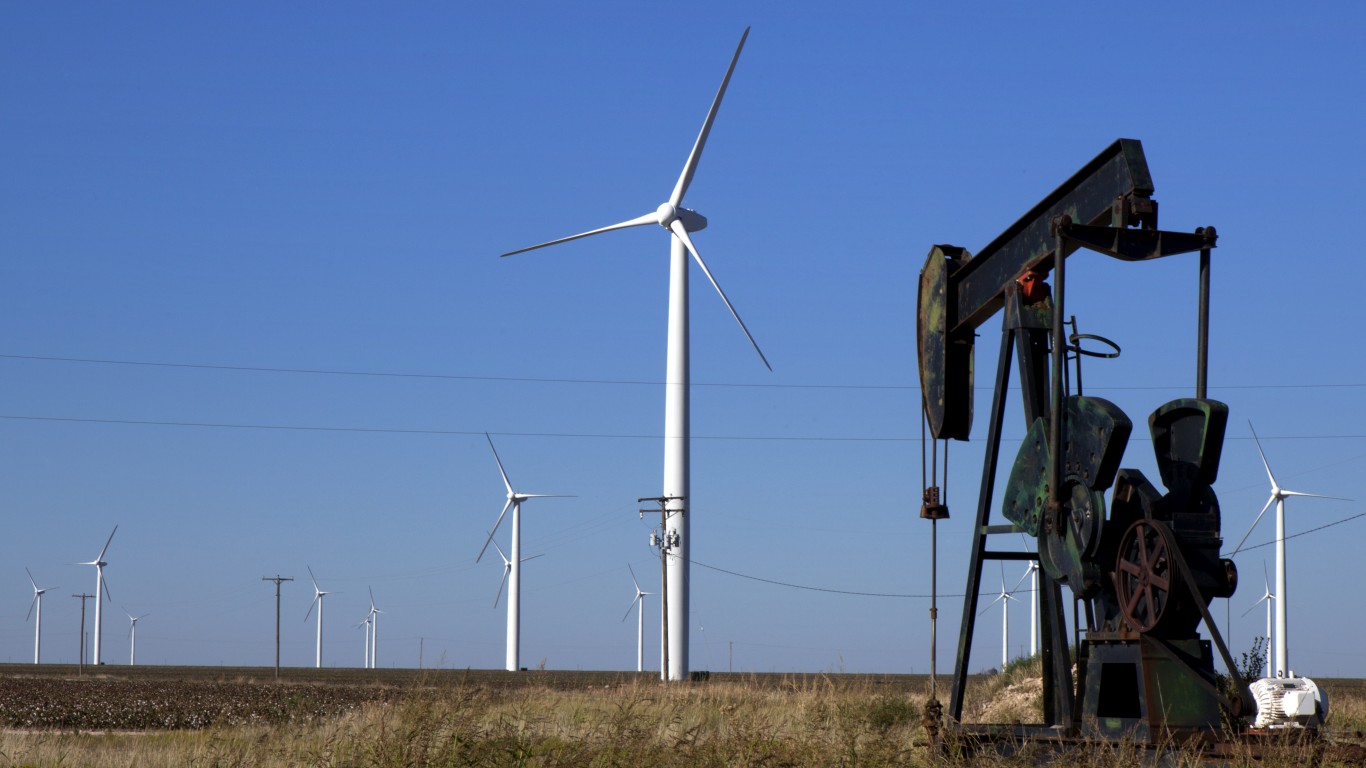
BP (NYSE: BP | BP Price Prediction) just confirmed what many already suspected: Big Oil’s renewable energy pivot was an expensive mistake. The British oil giant took a $5.4 billion write-down on its green energy portfolio in 2025, including $3.5 billion on solar developer Lightsource bp and renewable natural gas producer Archaea. The company suspended share buybacks entirely to shore up its balance sheet while CEO Carol Howle emphasized a return to BP’s “distinctive opportunity set in upstream business.”
The market’s verdict on oil majors’ renewable bets is clear. Year-to-date, through February 11, 2026, Exxon Mobil (NYSE: XOM) has surged 29.27% while Chevron (NYSE: CVX) gained 21.92%. Meanwhile, renewable-heavy BP limped ahead just 11.00%. Companies that stayed laser-focused on fossil fuels are outperforming green energy diversifiers by nearly 3-to-1.
Why Renewables Failed for Oil Majors
The economics never worked. Renewable energy projects typically generate lower internal rates of return than traditional oil and gas exploration. BP spent billions chasing offshore wind, solar farms, and hydrogen projects, trying to achieve net zero by 2050, but it couldn’t replace its substantial annual oil revenue with wind turbines. Oil majors lack competitive advantages against renewable specialists like NextEra Energy and face commoditized utility returns instead of the cyclical profits their shareholders expect.
Other companies’ struggles mirror BP’s predicament. TotalEnergies (NYSE: TTE) took $0.7 billion in impairments on offshore wind activities in Q4 2025, though the French major still pursues a “balanced transition strategy.” TotalEnergies’ 17.90% year-to-date gain suggests its hybrid approach may fare better than BP’s abandoned green ambitions, but it still trails the pure-play fossil fuel leaders.
The Trump administration’s energy policies accelerated this reversal. Offshore wind projects face new regulatory scrutiny while oil exploration expands into Venezuela and potentially Greenland. Even traditional oil companies appear nervous about how quickly the pendulum swung back toward fossil fuels, according to Barron’s coverage of the sector.
Market Implications
BP’s underlying replacement cost profit fell to $7.5 billion in 2025 from $8.9 billion in 2024. The company blamed weak oil trading, but critics feel the real culprit is capital misallocation into low-return renewable projects. Exxon, by contrast, achieved its highest production in over 40 years and delivered $15.1 billion in cumulative structural cost savings since 2019 by staying focused on what it does best.
The green energy transition for Big Oil appears to be over. It seems the world still runs on oil after all, with EVs capturing growing but still limited market share and aviation dependent on jet fuel. Oil majors that invested heavily in renewable projects have underperformed those that maintained focus on traditional operations. Companies focused on drilling, refining, and paying dividends have delivered stronger returns. The performance gap reflects the market’s preference for companies that concentrate on their core competencies in fossil fuel extraction and refining.
Contact [email protected] for any questions or corrections.
Trey has been an editor and author at 24/7 Wall St. for more than a decade, where he has published thousands of articles analyzing corporate earnings, dividend stocks, short interest, insider buying, private equity, and market trends. His comprehensive coverage spans the full spectrum of financial markets, from blue-chip stalwarts to emerging growth companies.
Beyond 24/7 Wall St., Trey has created and edited financial content for Benzinga and AOL's BloggingStocks, contributing additional hundreds of articles to the investment community.
Trey's editorial expertise extends across multiple publishing environments. He served as production editor at Dearborn Financial Publishing and development editor at Kaplan, where he helped shape financial education materials. Earlier in his career, he worked as a writer-producer at SVE. His freelance editing portfolio includes work for prestigious clients such as Sage Publications, Rand McNally, the Institute for Supply Management, the American Library Association, Eggplant Literary Productions, and Spiegel.
Outside of financial journalism, Trey writes fiction and has been an active member of the writing community for years, moderating workshop sessions at regional conventions.