XOVR Promised Pre IPO SpaceX Upside, But It Is Down 2% YTD While the S&P 500 Is Up 9%
The pitch for ERShares Private-Public Crossover ETF (NYSEARCA:XOVR) is simple. You cannot buy SpaceX shares on your brokerage app, but XOVR can, and the fund packages that exposure inside a normal ticker you trade like any other ETF. XOVR now…

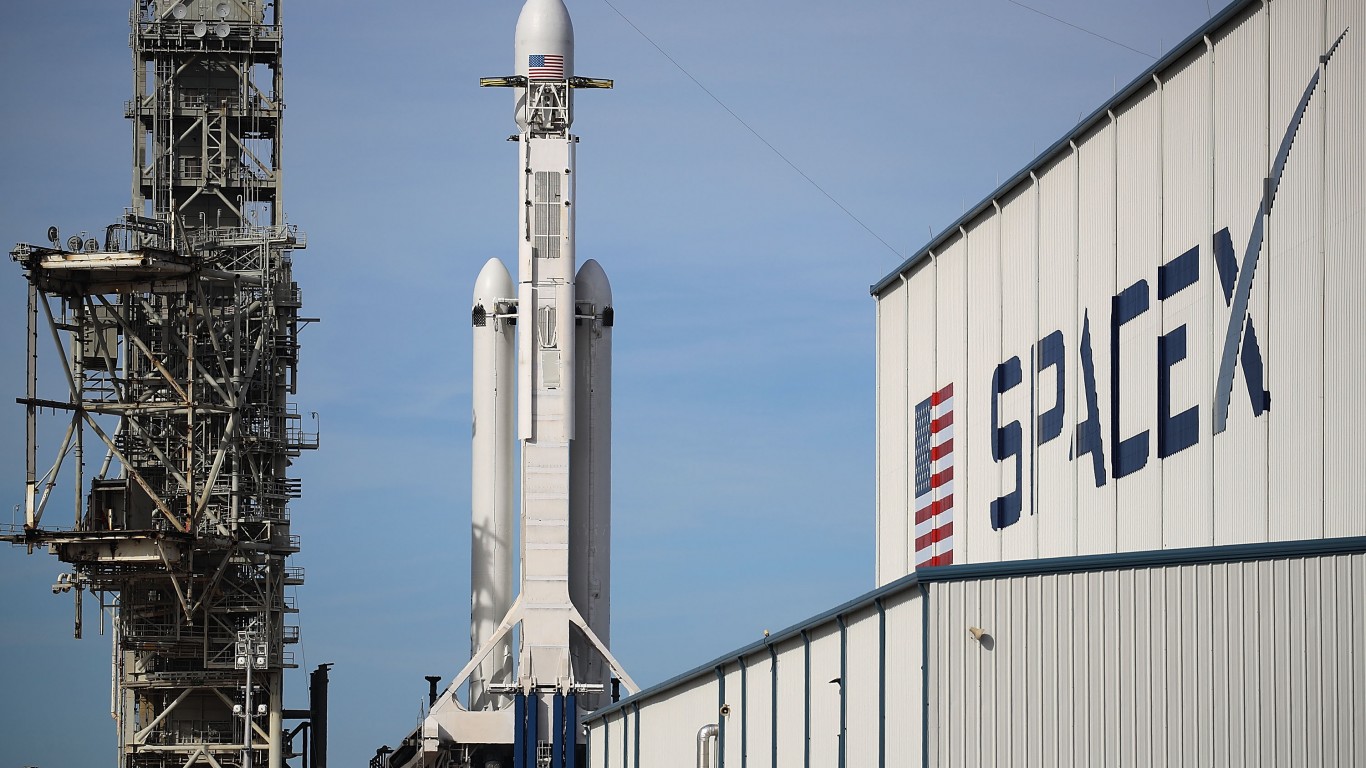
The pitch for ERShares Private-Public Crossover ETF (NYSEARCA:XOVR) is simple. You cannot buy SpaceX shares on your brokerage app, but XOVR can, and the fund packages that exposure inside a normal ticker you trade like any other ETF. XOVR now holds ~$281 million in SpaceX, which works out to about 23% of the fund. Yet XOVR is down about 2% this year while the S&P 500 is up 9.7%, a shortfall of more than 7% in a market that has been kind to almost anything growth-flavored.
All that underpeformance could be reversed very quickly in the coming weeks. You may see XOVR significantly outperform the SPY if the SpaceX IPO goes well. Thus, both institutional and retail interest in XOVR is heating up ahead of the SpaceX IPO.
The promise behind XOVR’s ticker
“Crossover” means the fund blends public growth equities with a sleeve of pre-IPO private companies, capped at the 15% regulatory ceiling for illiquid holdings. The public side reads like a growth screen. NVIDIA (NASDAQ:NVDA | NVDA Price Prediction), Meta Platforms (NASDAQ:META), Rocket Lab (NASDAQ:RKLB), and other AI infrastructure names dominate. The private side is anchored by SpaceX, with smaller positions in Anduril and Klarna.
The return engine has two moving parts. Public holdings move every day with the market. Private holdings get marked to fair value by the manager, sometimes quarterly, sometimes when a new funding round prints a clean number. Those marks can sit dormant for months and then jump in a single week.
Where the math breaks
This ETF’s mechanics are damaging performance. SpaceX is a Level 3 asset under fair value accounting, which means the manager is estimating carefully. When the manager raises the SpaceX mark, NAV steps up. When public holdings rally without a corresponding revaluation, the private sleeve dilutes the gain. XOVR rose roughly 2% last week and nearly 4% over the past month, but it still trails the Invesco QQQ Trust (NASDAQ:QQQ) and the S&P 500.
Over five years, XOVR returned roughly 33%. QQQ, the plain Nasdaq-100 fund available for single-digit basis points, returned 125% over the same window. A $25,000 stake in XOVR at the start of 2026 is down roughly $750 today. The same $25,000 in an S&P 500 fund would be up roughly $2,300, a $3,000 swing on one allocation decision.
The XOVR investor has paid the fund’s 1.81% expense ratio and accepted illiquid valuation marks in exchange for trailing a vanilla growth ETF by tens of percentage points.
What an IPO actually changes
The SpaceX IPO is the part bulls keep pointing to. Polymarket assigns a 96% probability that SpaceX lists by June 30, with peak odds clustered around mid-June and a target valuation near $1.5 trillion. The company filed its SEC prospectus on May 20, 2026. If that timeline lands, XOVR’s private mark converts to a real public price, and the fund either gets validated or repriced in one direction. After IPO, the asymmetric pre-IPO upside narrative ends. XOVR will hold public SpaceX, which any retail investor can buy directly through a brokerage app.
The tradeoffs are concrete
- Level 3 pricing creates lag. Public holdings reprice every second the market is open. SpaceX reprices when management says so. You can hold a growth fund that misses the growth tape for months at a stretch, which is precisely the 2026 story.
- Concentration in one private name. With SpaceX at 23% of assets, XOVR is closer to a single-stock proxy than a diversified ETF. Rocket Lab adds another concentrated space-sector bet on the public side, and that name is already up roughly 95% YTD without much help from XOVR’s relative return.
- The IPO is the catalyst and the exit. Once SpaceX is public, the pre-IPO premium disappears and XOVR becomes a high-fee growth fund holding a famous public stock.
Who this fund actually fits
XOVR fits an investor who specifically wants SpaceX before its IPO, accepts they are paying for opacity in valuation marks, and sizes the position as a small speculative sleeve rather than a core growth holding. For anyone whose real goal is broad AI and growth exposure, QQQ or a comparable Nasdaq fund has done the job better, cheaper, and without the quarterly guesswork on what a private rocket company is worth this week. The pre-IPO promise is real. So is the large performance gap between XOVR and most popular indexes.
Contact [email protected] for any questions or corrections.
Omor Ibne Ehsan is a writer at 24/7 Wall St. He is a self-taught investor with a focus on growth, cyclical, and dividend equities that have strong fundamentals, value, and long-term potential. He also has an interest in high-risk, high-reward investments such as penny stocks.