Warren Buffett’s Index Fund Advice Falls Short For Late Savers
Warren Buffett has repeatedly advised investors to put their money in low-cost S&P 500 index funds and hold them for decades. He has been so consistent that his instructions for his wife’s inheritance specify 90% in an S&P 500 index…


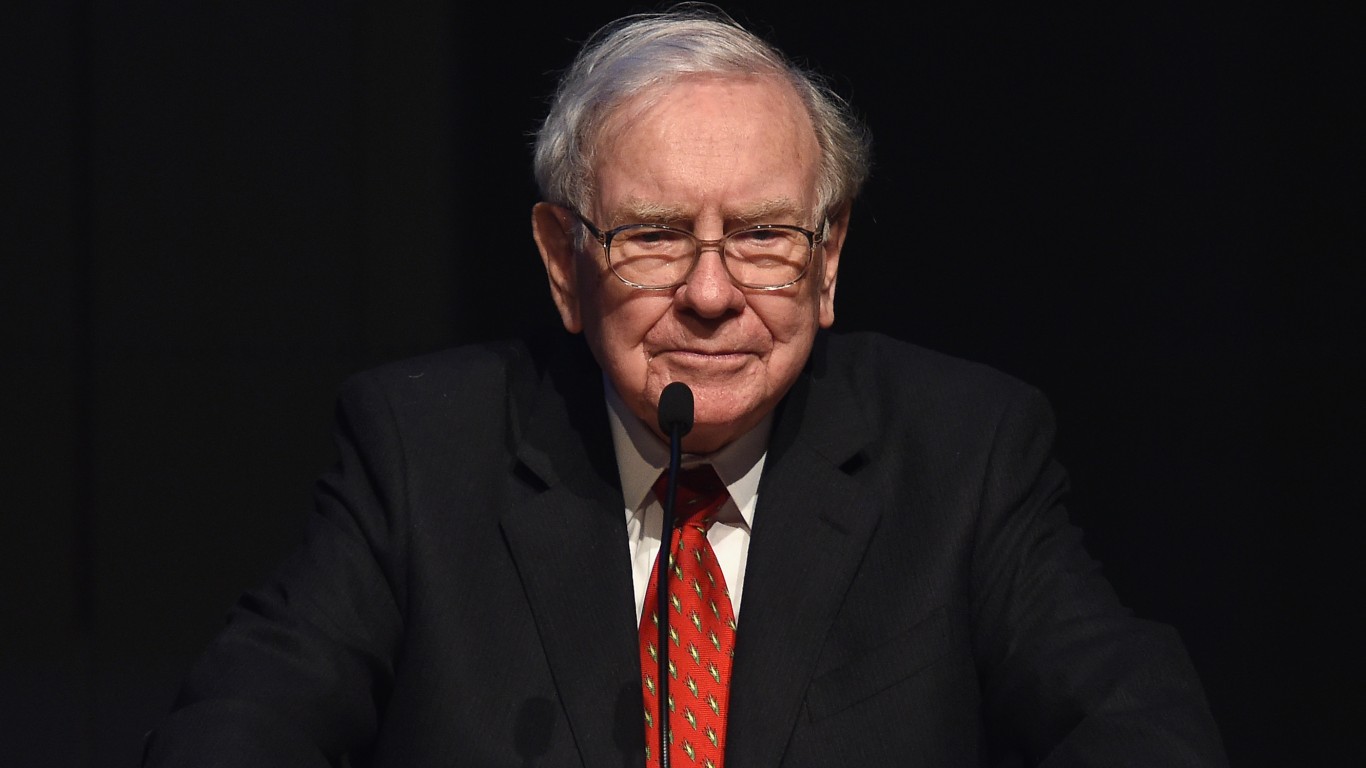
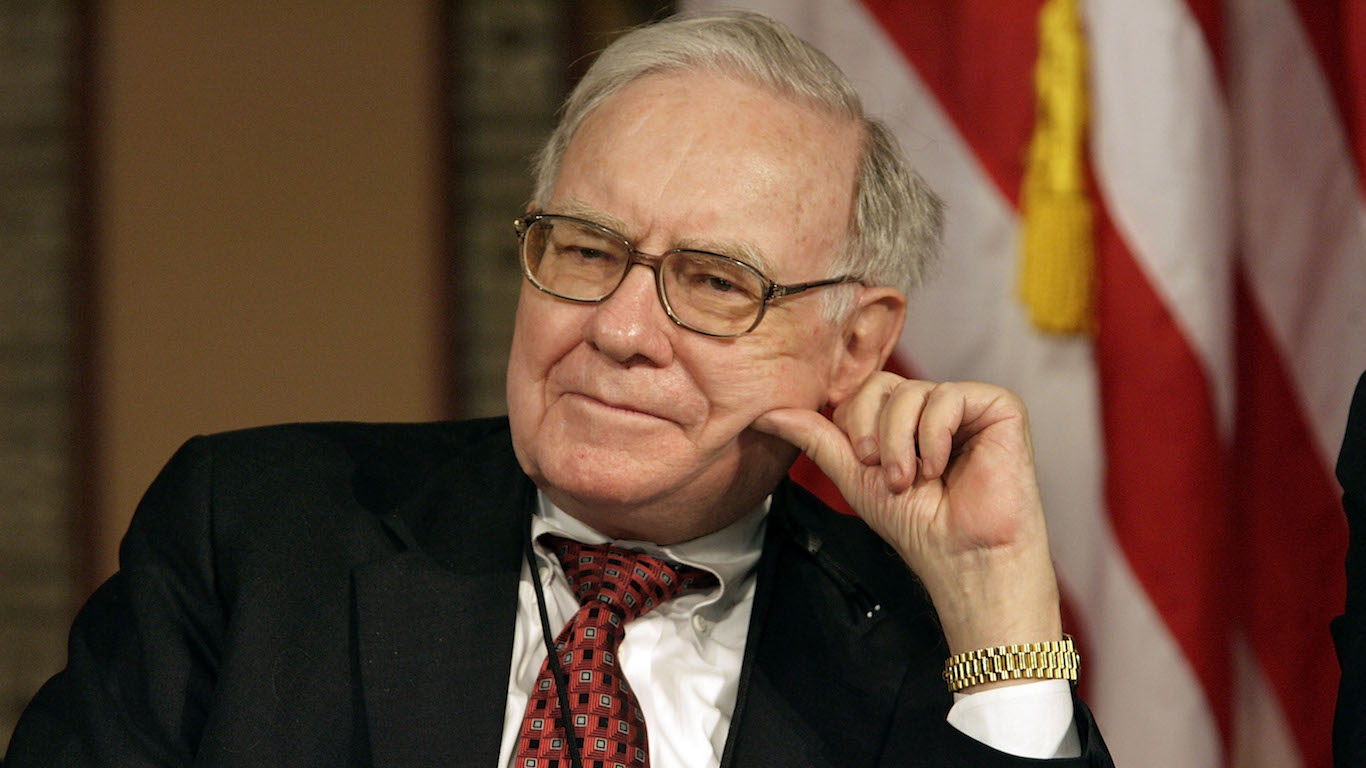
Warren Buffett has repeatedly advised investors to put their money in low-cost S&P 500 index funds and hold them for decades. He has been so consistent that his instructions for his wife’s inheritance specify 90% in an S&P 500 index fund and 10% in short-term government bonds, as detailed in his 2013 shareholder letter. The advice is simple, proven, and requires almost no financial expertise. Yet most Americans ignore it.
Why This Advice Rarely Gets Followed
Buffett’s recommendation appeals because it removes complexity. You do not need to pick stocks, time the market, or hire expensive advisors. The S&P 500 has delivered 251.61% over the past decade, and that kind of compounding works if you leave it alone.
The problem is that leaving it alone requires living below your means, and Americans are not doing that. The personal savings rate dropped from 6.2% in the first quarter of 2024 to 4.2% by the third quarter of 2025. Households are spending roughly 96 cents of every dollar they earn. Without savings, there is nothing to invest.
Where the Advice Holds Up
Buffett’s logic is sound for anyone with a 10-year or longer time horizon. Time in the market and consistent contributions matter more than market timing, and the power of compounding grows substantially over multi-decade periods.
This strategy works best for people who can ignore short-term volatility and maintain stable income. It also assumes you can resist selling during market drops, which is harder than it sounds when consumer sentiment sits at 52.9, well into pessimistic territory.
Where the Advice Breaks Down
The strategy assumes you have money to invest. With housing and healthcare consuming a large share of household budgets, many households have little left over. A 50-year-old with $20,000 saved and 15 years until retirement cannot rely on index fund growth alone to close that gap.
Buffett’s approach also does not account for sequence-of-returns risk. Someone retiring into a bear market may need to withdraw from a depleted portfolio, locking in losses. A 62-year-old planning to retire in two years should not hold 100% equities, even if the long-term thesis is correct.
How to Think About This Advice
Buffett has argued that investors with long time horizons and steady income are best positioned to benefit from this approach. The primary obstacle is not identifying the right strategy but generating sufficient savings to fund it — a challenge underscored by the declining personal savings rate in recent years.
Contact [email protected] for any questions or corrections.
Austin Smith is a financial publisher with over two decades of experience as an investor, analyst, and advisor. He covers stocks, ETFs, Artificial intelligence and personal finance for 24/7 Wall St. Previously, he spent over a decade at The Motley Fool as a senior editor for Fool.com, portfolio advisor for Millionacres, and launched The Ascent to help reader take control of their personal finances.
His work has been featured on Fool.com, NPR, CNBC, USA Today, Yahoo Finance, MSN, AOL, Marketwatch, and many other publications. He is as an advisor to private companies, and co-hosts The AI Investor Podcast with Eric Bleeker.
When not looking for investment opportunities, he can be found skiing, running, or playing soccer with his children. Learn more about Austin's investment approach here.