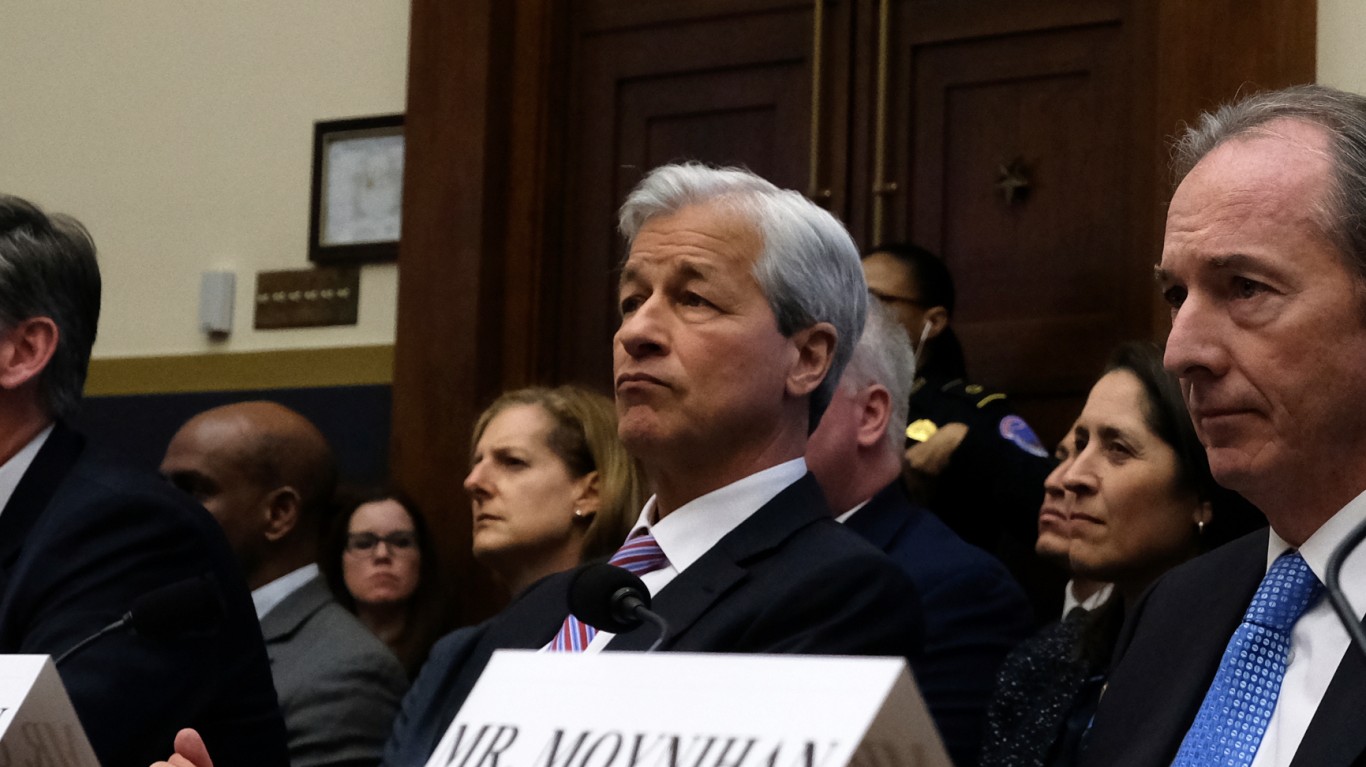
JPMorgan CEO Jaime Dimon: Inflation ‘Skunk at the Party’ Could Be Back
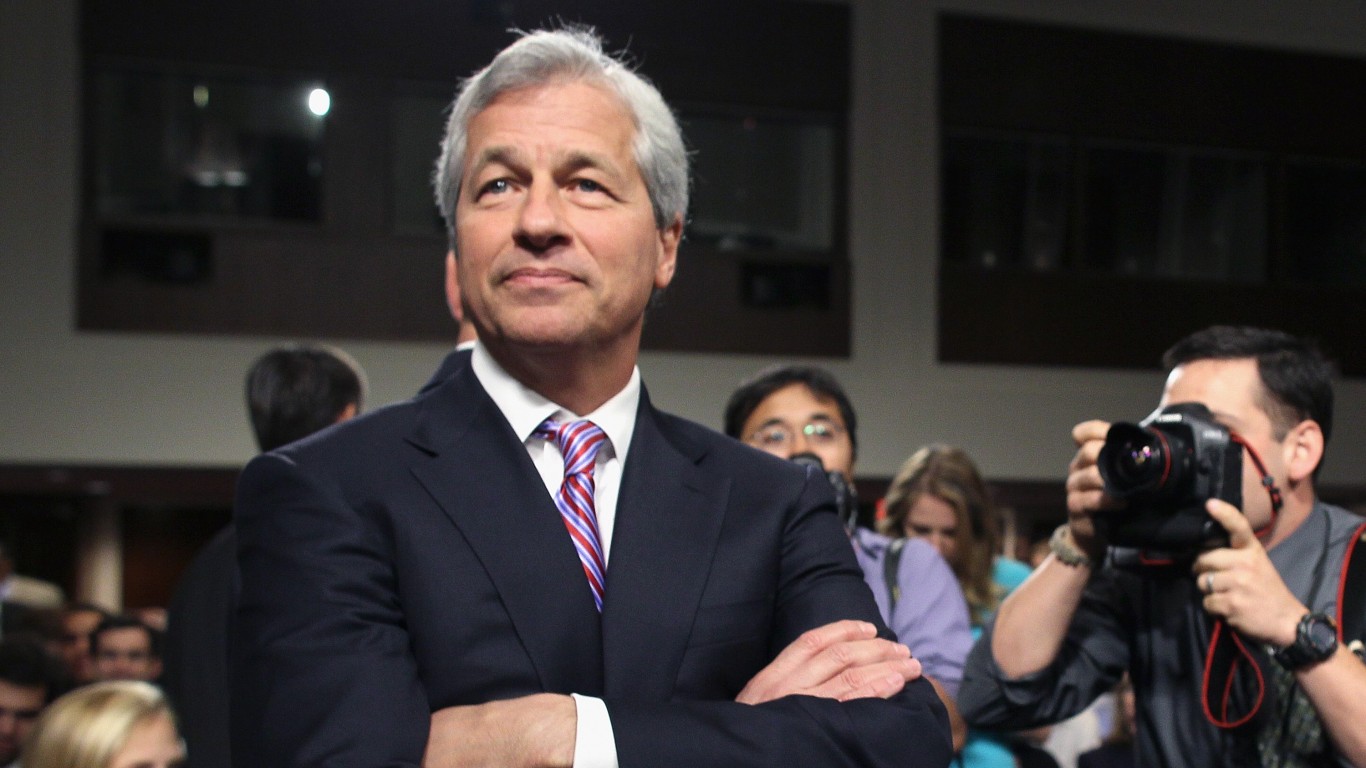
Jamie Dimon has never been shy about playing the designated worrier on Wall Street. From “hurricane” warnings to stagflation concerns, JPMorgan Chase (NYSE:JPM | JPM Price Prediction) CEO has built a reputation for flagging risks markets are too comfortable ignoring.…

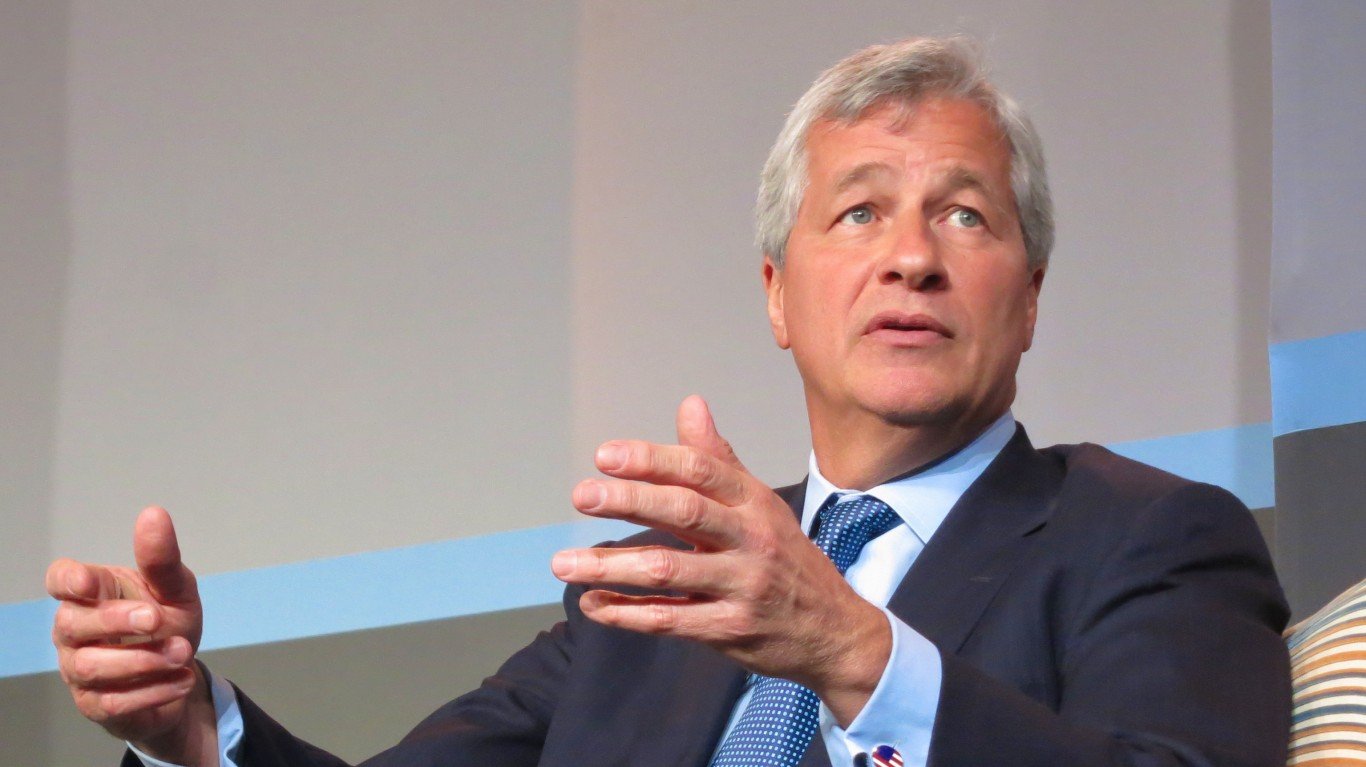
Jamie Dimon has never been shy about playing the designated worrier on Wall Street. From “hurricane” warnings to stagflation concerns, JPMorgan Chase (NYSE:JPM | JPM Price Prediction) CEO has built a reputation for flagging risks markets are too comfortable ignoring. His latest warning follows that same playbook.
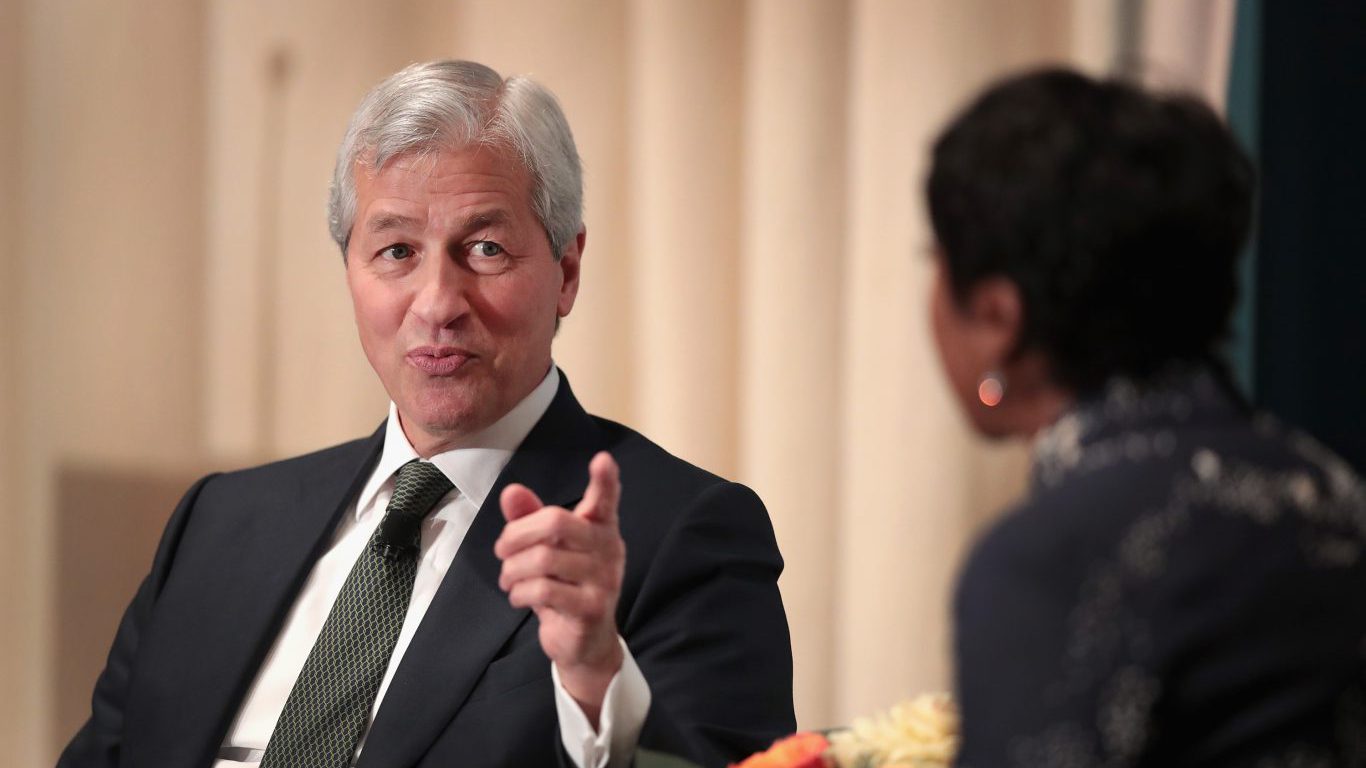
Asked about Middle East tensions and their implications for inflation, Dimon put it plainly:
“I don’t think this thing in an isolated way will, you know, I think there’s some risk, there’s more inflation than people think. And that could be like a skunk in a party if that ever happens. Hopefully it doesn’t happen. […] This right now will increase gas prices a little bit. And again, if it’s not prolonged, there’s not going to be a major inflationary hit.”
The key phrase is “if it’s not prolonged.” Dimon isn’t predicting catastrophe. He’s warning that markets are priced for a best-case scenario, and geopolitics rarely delivers those.
The Inflation Backdrop Makes This Warning More Credible
CPI sits at 2.4% year-over-year as of January 2026, and Core PCE, the Fed’s preferred measure, came in at 3% for December 2025. Neither number is alarming on its own, but there’s no buffer. Core PCE was 2.7% in October and has stayed stubbornly at or above that level all of 2025.
Any supply shock from escalating Middle East conflict could push both readings into territory where the Fed has to respond.
Oil is the transmission mechanism. WTI crude skyrocketed overnight and now trades for $76.28 per barrel. That’s above the June 2025 peak. Fears of a prolonged conflict were enough to send Asian markets crashing overnight. Korea’s KOSPI plunged a staggering 7.2%. It appears Dimon’s warning is already proving prophetic.
Markets Are Beginning to Price in Changes
The 10-year Treasury yield has dropped to 3.97%, its lowest point in the past year yesterday morning. However, they’ve now spiked to 4.10%, a massive jump by bond market standards.
This echoes what he flagged on the Q4 2025 earnings call: “Geopolitical is an enormous amount of risk… it’s just a big matter of risk that may or may not determine the state of the economy.” He also flagged deficit concerns: “The deficits in the United States and around the world are quite large. We don’t know that’s gonna bite. It will bite eventually because you can’t just keep on borrowing money endlessly.”
JPMorgan itself is performing well through the uncertainty, posting full-year 2025 net income of $57.5 billion on revenue of $185 billion with a 20% return on tangible common equity. JPM shares are up about 15% over the past year, even as they’ve pulled back roughly 7% year-to-date in 2026.
Dimon’s “skunk at the party” framing is characteristically blunt. The party is a market that has shrugged off geopolitical risk and priced in a soft landing. The skunk is a Middle East escalation that sends oil surging, reignites inflation, and forces the Fed back into a hawkish posture. It may not happen. But the risks that blindside markets are usually the ones everyone agreed weren’t worth worrying about.
Contact [email protected] for any questions or corrections.
Eric Bleeker, CFA has been investing for more than 20 years. He began his career working at Microsoft before joining Motley Fool, one of the largest publishers of financial research. In his 15 years at Motley Fool Eric served as the General Manager for Fool.com and led coverage in the Technology & Telecom sector. In addition, he was a featured columnist and has hosted dozens of investing seminars attended by more than a million total investors. Eric has more than 1,000 financial bylines to his name and has been featured in The Wall Street Journal, CNBC, Fox Business, and many other leading publications. He is currently focused on artificial intelligence investing and is a CFA Charterholoder.