Jim Cramer: I like GE Vernova very much, they should split it
Jim Cramer got a call on his show recently from “Clay in California” who casually mentioned he was up 900% in Nvidia and 500% in Apple. Cramer’s response? “Who am I to even opine?” But opine he did, and his…

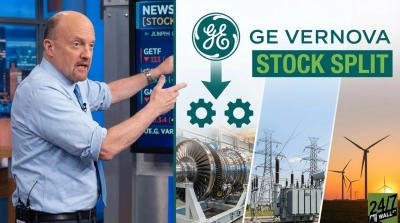
Jim Cramer got a call on his show recently from “Clay in California” who casually mentioned he was up 900% in Nvidia and 500% in Apple. Cramer’s response? “Who am I to even opine?” But opine he did, and his take on GE Vernova (NYSE:GEV | GEV Price Prediction) is worth unpacking.
“I like the stock very much. They ought to split it,” Cramer said, noting he already owns GEV in his travel trust and called himself and Clay “kindred spirits.”
At $842.91 per share and up nearly 199% over the past year, GEV is exactly the kind of stock that price-sensitive retail investors scroll past. A split wouldn’t change the underlying business, but it would lower the ticket price and potentially broaden participation.
What GE Vernova Actually Does
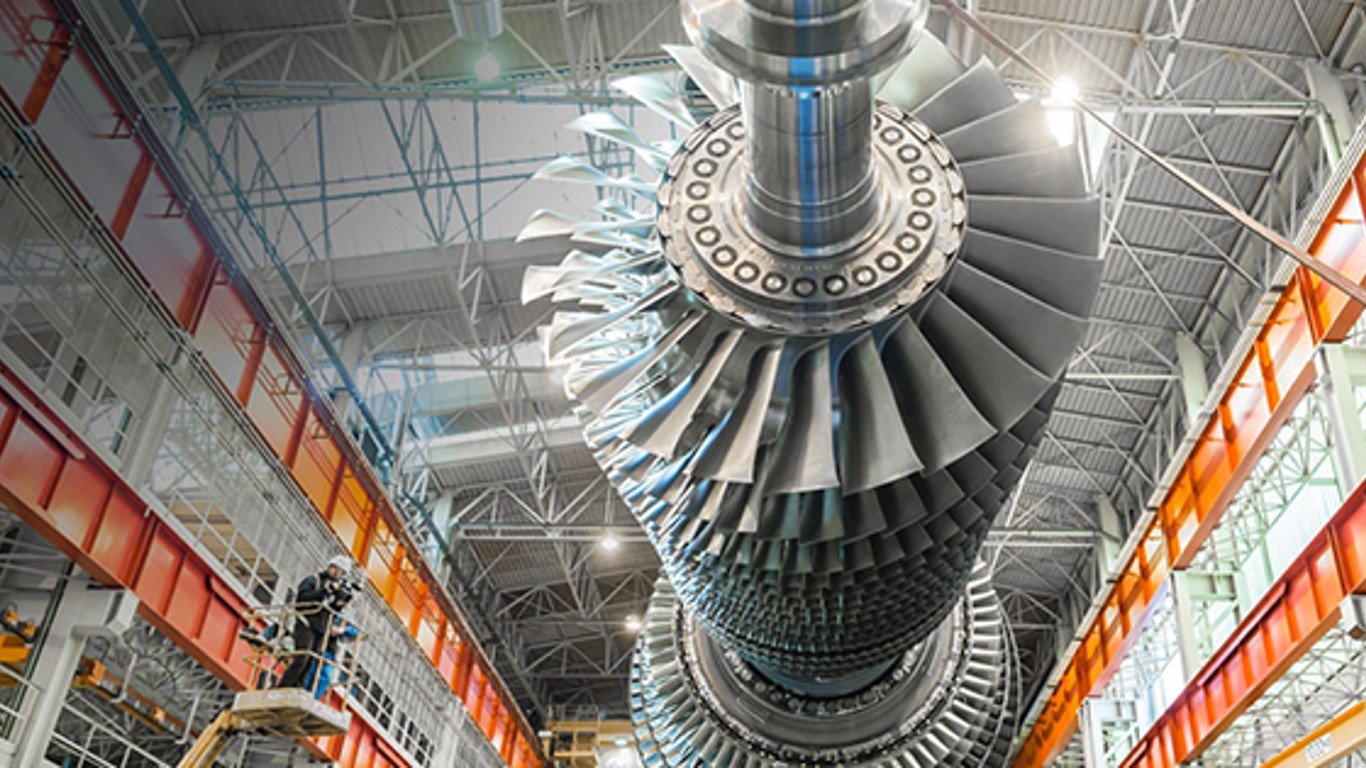
GEV is the energy infrastructure spinoff from GE, separated in April 2024. It operates three segments: Power (gas turbines and services), Electrification (grid equipment, transformers, switchgear), and Wind. Two of those three are firing on all cylinders.
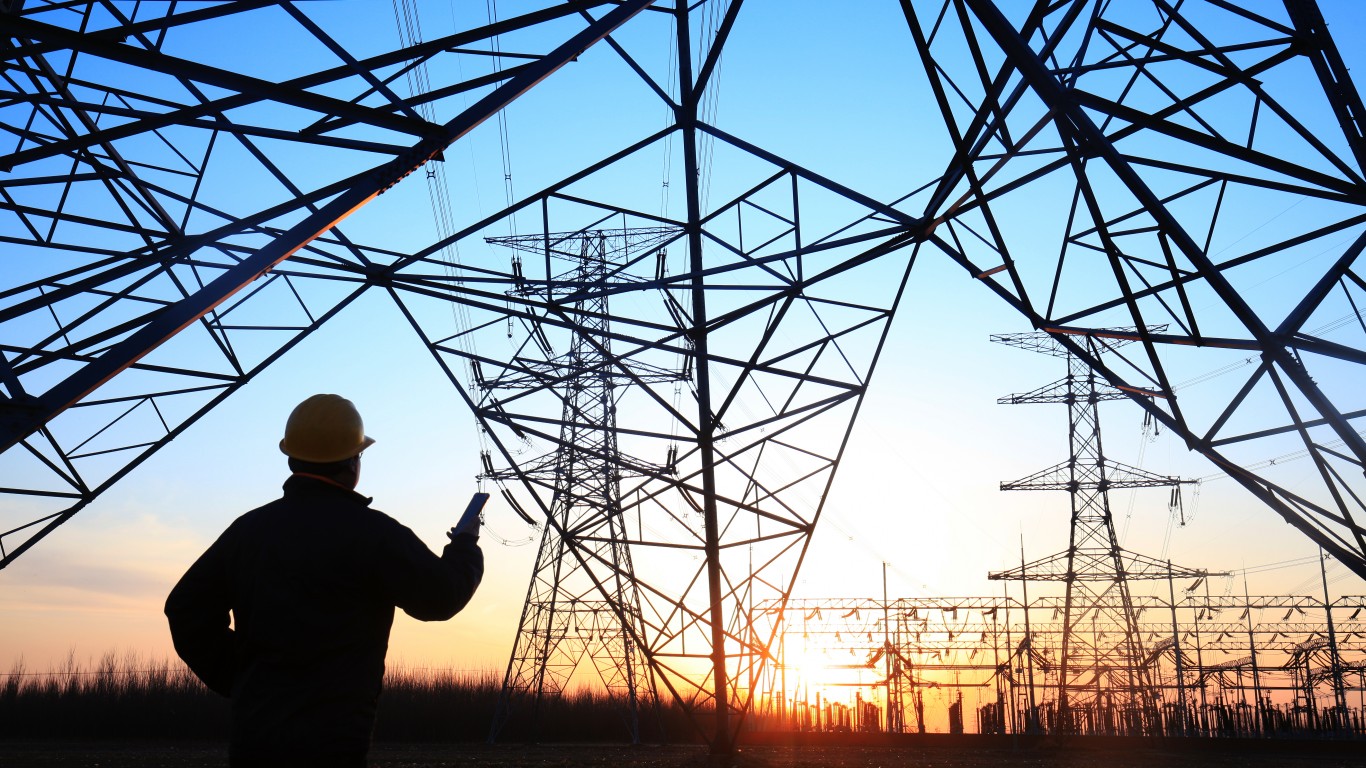
The Power segment booked 41 heavy-duty gas turbines in Q4 2025 alone, with equipment backlog and slot reservations growing from 62 to 83 gigawatts sequentially. Electrification grew revenue 36% year-over-year in Q4, driven by surging data center and grid demand. CEO Scott Strazik put the addressable market in perspective: “Electrification generated about $5 billion in revenue in ’22, and we now expect that number to be $13.5 billion to $14 billion in ’26, and we are just getting started.”
Total backlog hit a record $150 billion at year-end 2025. That’s not a quarterly number, that’s a multi-year revenue runway already locked in.
The Wind Problem Is Real
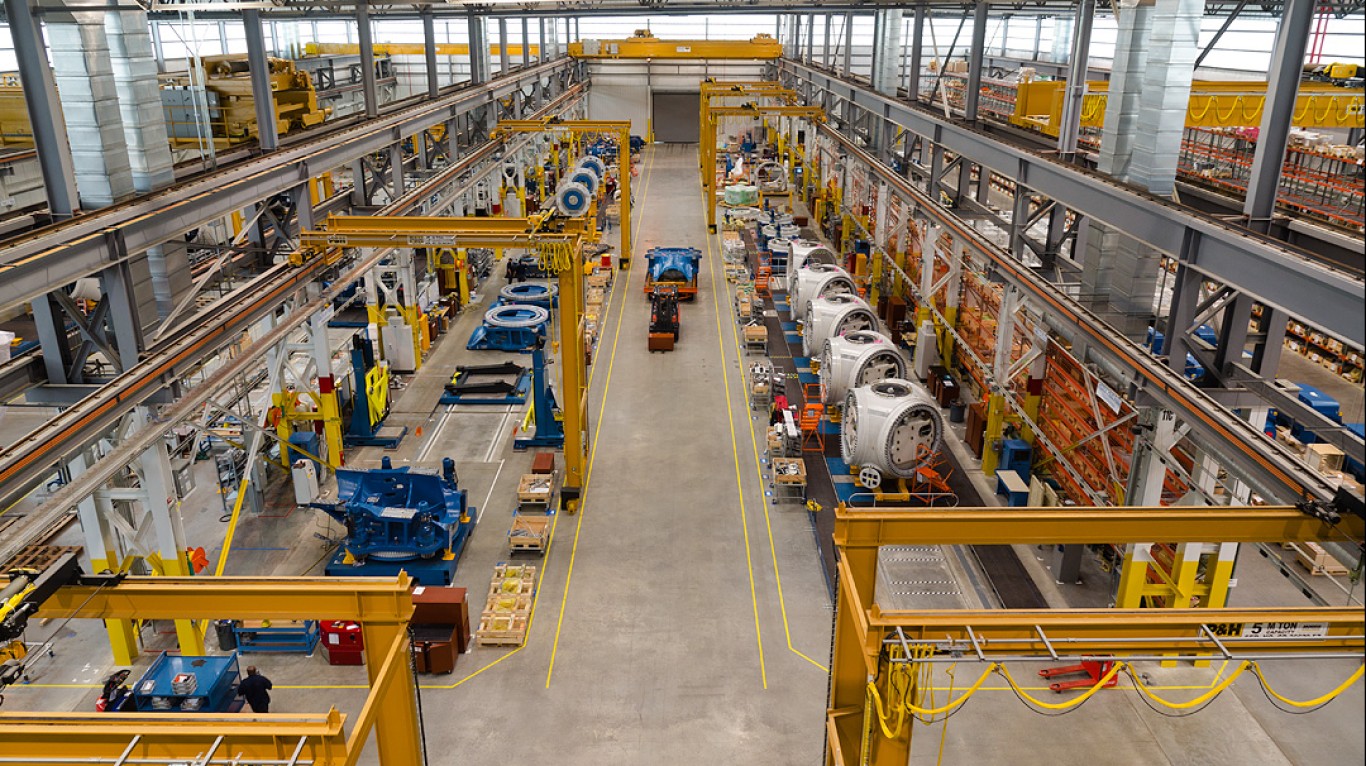
Wind is the honest asterisk here. Revenue fell 24% year-over-year in Q4 2025, and the company expects roughly $400 million in EBITDA losses from Wind in 2026. Offshore contract losses, tariff headwinds, and the U.S. government’s halt on Vineyard Wind are all real drags.
This is exactly why the split argument has merit beyond share price optics. Wind is structurally different from Power and Electrification, and bundling a money-losing wind business with two high-growth, high-margin units creates a valuation discount. Separating them would let each trade on its own fundamentals.
The Numbers That Matter
GEV guided for $44 to $45 billion in 2026 revenue and $5.0 to $5.5 billion in free cash flow. By 2028, the company is targeting $56 billion in revenue and 20% adjusted EBITDA margins. The share repurchase authorization was raised to $10 billion, and the quarterly dividend was doubled to $0.50 per share.
Cramer’s split call appears to be a structural argument in disguise: separating Wind from the higher-margin Power and Electrification segments could allow each unit to trade on its own fundamentals.
Contact [email protected] for any questions or corrections.
I write to invest, and I invest to spend more time with nature. Usually all at the same time. I'm a retired equities guy who saw a recession or four, and lives for what comes out of the other side of them.
I cover stocks across the board cause even though I feel like I've seen it all, there's always another way out there to make, and lose money. I want to help you do more of the former, and none of the latter. Making money with friends is my oxygen.
Let's go!