





Jeff Thompson, CEO of Red Cat Holdings (NASDAQ:RCAT), went on national television with Maria Bartiromo and said something that should stop every defense investor cold. “China and Russia making about 4 million and Ukraine makes more and making less than a million a year currently. We have to up those numbers and we can.”
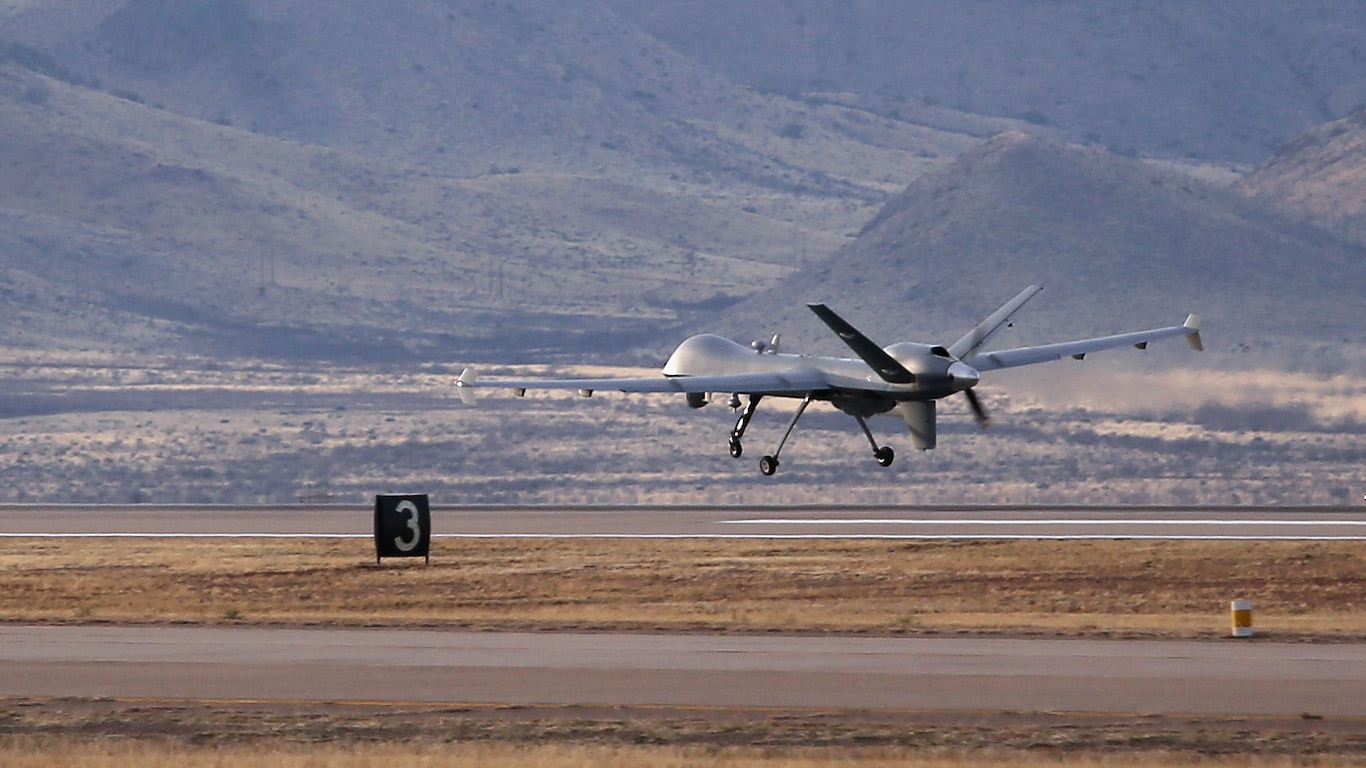
Let that sink in. Ukraine, a country actively fighting a land war, is out-producing the United States in small drones. That is the gap Thompson is building his company around.
Mass Against Mass
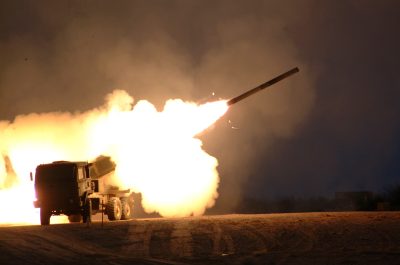
Thompson laid out a warfare doctrine that is reshaping how defense planners think about the battlefield. The philosophy is “mass against mass” — inexpensive drones deployed in large numbers rather than expensive precision weapons systems that produce roughly 600 units per year. When you are fielding hundreds of thousands of low-cost autonomous systems against an adversary doing the same, the math of attrition favors whoever has the factory capacity.
This is not a futuristic argument. It is playing out in real time in Eastern Europe, and the U.S. industrial base is currently losing the production race.
Red Cat’s Manufacturing Push
Thompson cited a recent report that Red Cat opened three new factories and is hiring constantly to build out U.S.-based manufacturing. He believes the production gap can be addressed in approximately 6 to 9 months as manufacturing ramps up.
The financial story backs up that confidence. Q4 2025 revenue is projected at $24M to $26.5M, representing a roughly 1,842% increase versus Q4 2024. Full year 2025 revenue is expected to come in at $38M to $41M, up 153% from $15.60M in fiscal 2024. The company reports full results on March 18, 2026.
The stock has responded. RCAT is up over 103% year to date, climbing from $7.93 to $16.16. The 52-week high sits at $18.78, and analysts carry a consensus target of $20.75 with four Buy ratings and zero Sells.
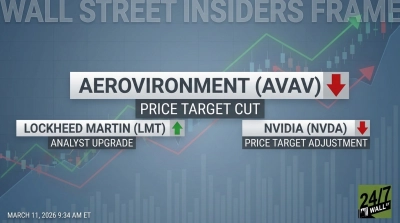
Red Cat is not alone in the U.S. drone manufacturing push. AeroVironment (NASDAQ:AVAV) carries a record funded backlog of $1.10 billion and a book-to-bill ratio of 1.6x, signaling demand is outpacing current production capacity there too.
The risks are real. Red Cat is still burning cash, carries no P/E ratio, and is building factories ahead of confirmed contract flow. Thompson’s argument is notable: a country that produces fewer drones than a warzone has a structural defense problem, and the companies solving it are going to matter. The key question for the company is whether their manufacturing ramp translates into durable government contracts, not just a one-cycle revenue spike.











 Top Gaining Stocks

 Top Losing Stocks