NVIDIA Stock Has Gas in the Tank Amid Mag 7’s $650B+ Capex Surge
Collectively, the Magnificent Seven companies are spending colossal sums of money on CapEx as they look to swing for the fences on AI. With CapEx in the ballpark of $650 billion for this year, it certainly feels like there’s a…

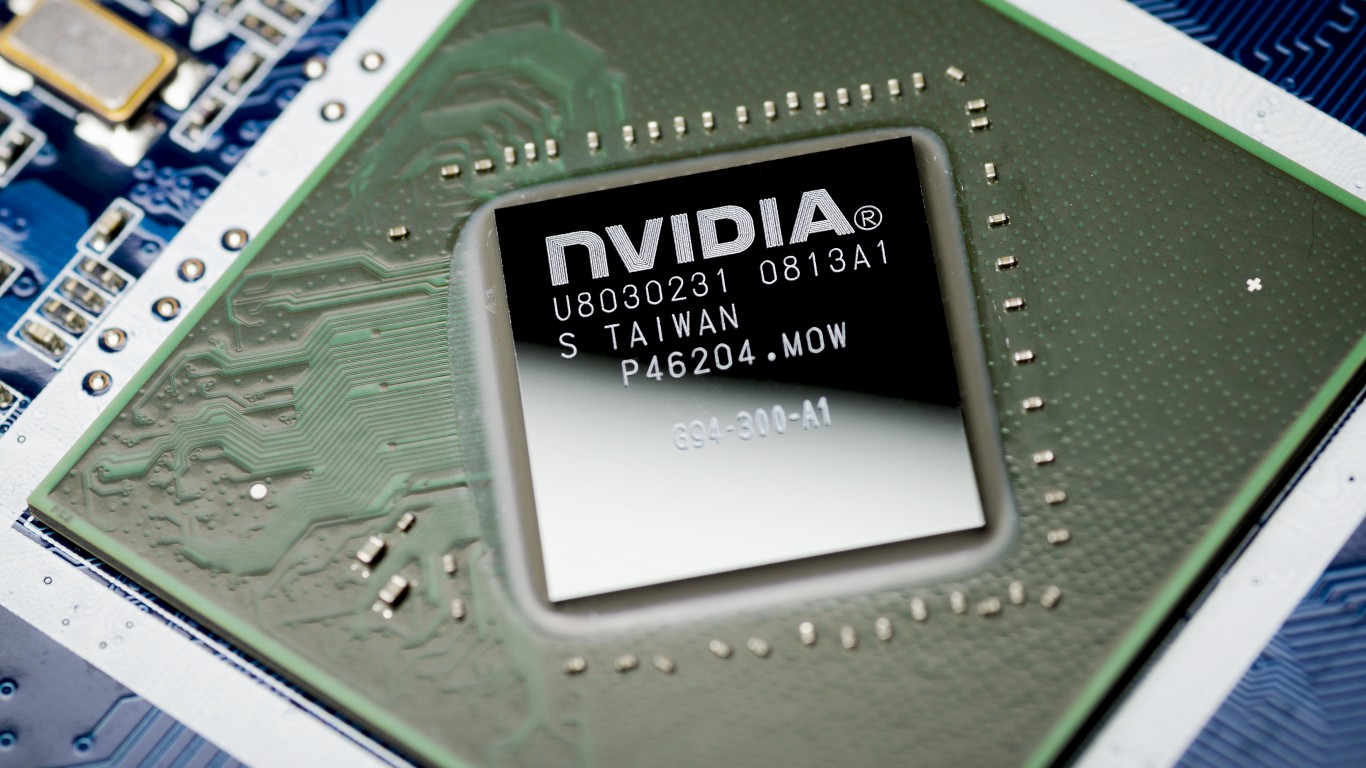
Collectively, the Magnificent Seven companies are spending colossal sums of money on CapEx as they look to swing for the fences on AI. With CapEx in the ballpark of $650 billion for this year, it certainly feels like there’s a “capital war” of sorts that might bring forth the need to war-time CEOs. Undoubtedly, some of the brightest minds in tech are all thinking it’s best to floor it with CapEx, much of which will be invested in AI development and infrastructure.
From Amazon (NASDAQ:AMZN | AMZN Price Prediction) and its $200 billion 2026 CapEx (Alexa is bound to get a whole lot smarter) or Alphabet (NASDAQ:GOOGL) and its $175-185 billion CapEx budget, which may very well secure its AI lead, to Nvidia (NASDAQ:NVDA) and Apple (NASDAQ:AAPL), which isn’t spending as much but still stand to gain from the expenditures of the big hyperscalers, big things seem to be ahead for the Mag Seven, even as the group look to run out of rally fuel.
That’s a lot of money being plowed into AI. What will it all be for?
Undoubtedly, it’s wiser to be skeptical than outright bullish when looking at the sheer magnitude of the spend. Either way, Nvidia and Apple certainly stand out as the big winners that reach new heights on the shoulders of others.
Whether it’s the hyperscalers and their big GPU orders for Vera Rubin or Apple’s partnership with Google to use Gemini as a part of its AI, the CapEx-light names may very well be able to have an easier time hitting high-ROI expectations put in place by investors. That’s not to say the biggest (and hardest-hit) spenders won’t eventually start winning big.
Either way, it’s on the hyperscalers to prove that hefty spend will lead to proportional returns. For now, investors have their doubts, but, in due time, perhaps the biggest contributors to the growth of the AI cloud will be able to score the growth numbers that warrant a correction to the upside after all the CapEx-driven selling they’ve been through.
The hyperscalers enjoyed nice growth jolts. But what if it’s just the appetizer?
Microsoft (NASDAQ:MSFT), Amazon and Alphabet are arguably already showing early signs that the heavy spending is leading to fatter growth. In the first quarter, Google Cloud saw its revenue growth soar to 48%. And that might just be the start, especially if adoption of agentic AI looks to hit an inflection point of some sort.
Microsoft and Amazon have also enjoyed decent cloud growth at the hands of AI-driven compute demand. And while the tides could easily turn, making the hyperscalers more of a high-risk/high-reward kind of trade compared to years past, I do think that giving the mega-cap tech titans the benefit of the doubt is the way to go.
In my view, the big question is how cloud growth could look once the chip bottlenecks, capacity issues, and energy shortcomings have been effectively addressed. Additionally, let’s not forget about how the big spenders are leveraging the technology itself.
If the hyperscalers demonstrate that AI can, in fact, deliver profoundly transformative gains, it might take a long time for the rest of corporate America to really start upping the AI-related CapEx. The future is always uncertain when new technologies transform the corporate landscape.
The case for sticking with Nvidia, the ultimate “picks and shovels” play
While it’s tough to tell when the gains will move from “picks and shovels.” There’s a good chance that the big money might stay with Nvidia and the AI chip darlings for longer as AI demand stays off the charts, and it takes a while longer for agents and digital labor to really make a mark.
Fortunately, for those who doubt that the hyperscalers can score decent enough ROI figures, there’s always Nvidia (or Apple) to bet on. Nvidia is making an obscene amount of money, with gross margins (75%) that are unprecedented for a firm in the semi scene.
Of course, much of the sky-high growth and margins hinge on the effective monetization of the tech. Regardless, I think the 36.4 times trailing price-to-earnings (P/E) figure seems to already price in a drop in margins and growth, one that might not happen if firms (in mega-cap tech and beyond) can harness the technology in a way to save or make big money.
With signs of effective utilization already trickling in (think Microsoft), perhaps it would be premature to dump Nvidia after its lengthy period of sideways action.
Contact [email protected] for any questions or corrections.
Joey is a 24/7 Wall St. contributor and seasoned investment writer whose work can also be found in publications such as The Motley Fool and TipRanks. Holding a B.A.Sc in Computer Engineering from the University of British Columbia (UBC), Joey has leveraged his technical background to provide insightful stock analyses to readers.
Joey's investment philosophy is heavily influenced by Warren Buffett's value investing principles. As a dedicated Buffett disciple, Joey is committed to unearthing value in the tech sector and beyond.