




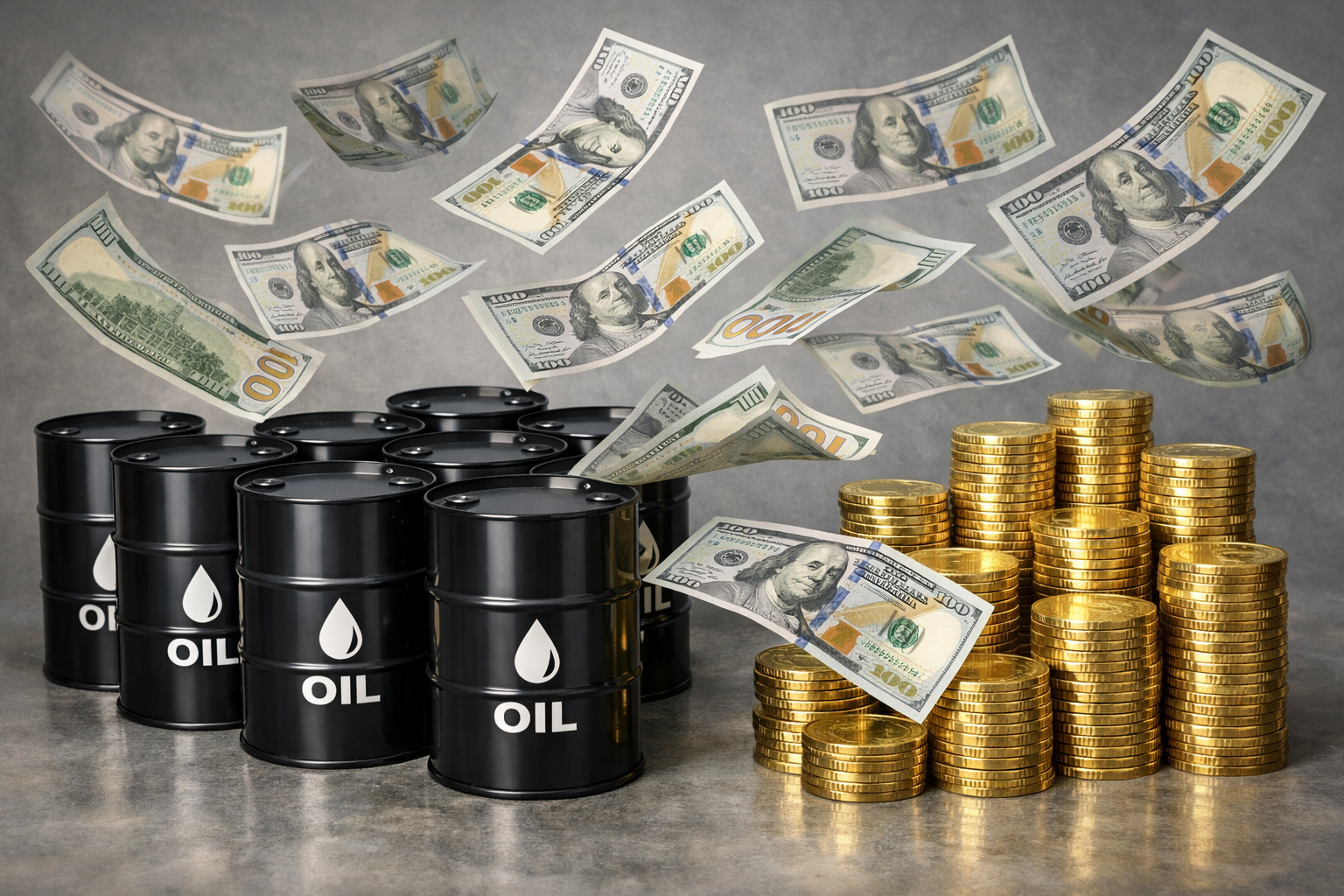
Oil closed out 2025 at $57.26 a barrel. Today, it is trading above $90. That kind of move in crude flows directly into the earnings of every upstream producer, refiner, and pipeline operator in the country, and that is exactly what Vanguard Energy Index Fund ETF Shares (NYSEARCA:VDE) is built to capture.
What VDE is designed to do
VDE is a pure-play on the U.S. energy sector. It tracks the MSCI U.S. Investable Market Energy 25/50 Index and holds over 100 companies spanning every corner of the energy supply chain: upstream exploration and production, midstream pipelines and terminals, downstream refining, oilfield services, and LNG export infrastructure. The fund carries a net expense ratio of just 0.09%, making it one of the cheapest ways to own the sector outright.
The portfolio is dominated by the two largest integrated oil majors in the country. Exxon Mobil (NYSE:XOM | XOM Price Prediction) sits at 22.4% of the fund and Chevron (NYSE:CVX) at 14.9%, meaning those two names alone constitute 37% of VDE’s total weight. Below them sit a deep roster of midstream and services names. The fund’s 98.5% allocation to energy leaves no ambiguity: this is sector concentration by design.
When oil and gas prices rise, cash flows of VDE’s underlying companies expand. Upstream producers see wider margins on every barrel lifted. Refiners capture wider crack spreads. Midstream operators benefit from higher throughput volumes and commodity-linked fee structures. VDE collects all of that through a single, low-cost wrapper and passes along a 2.3% dividend yield in the process.
The Strait of Hormuz Is the Story Behind the Numbers
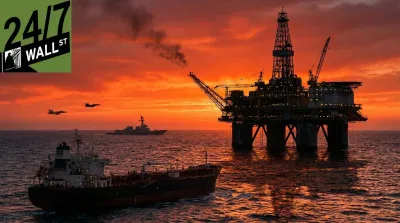
VDE is up 38% year-to-date, a move driven almost entirely by the disruption of shipping through the Strait of Hormuz. The Strait handles about 31% of all seaborne oil flows globally. When that corridor tightens, the entire pricing structure of global energy shifts upward.
Prediction markets currently price a 70% probability that Hormuz traffic remains disrupted through the end of April. VLCC freight rates have risen as tankers reroute around Africa, and war risk insurance premiums have spiked enough to slow transit speeds and reduce daily throughput. Even if the strait fully reopens, the supply-side consequences linger: production schedules disrupted, shipping contracts repriced, and a risk premium embedded in crude that takes months to unwind.
Exxon Mobil, VDE’s largest holding, has gained 35% year-to-date. Chevron is up 33% over the same period. Those two stocks are doing most of the heavy lifting, and their earnings power expands with every dollar crude stays elevated.
Does the Fund Deliver on Its Promise?
Over five years, VDE has returned 204%, reflecting both the post-pandemic energy recovery and the current geopolitical premium. Energy sector ETFs are frequently dismissed as too volatile to hold, but the fund has outdone the vast majority of individual energy stocks.
This doesn’t mean there aren’t tradeoffs
Volatility cuts both ways. Investors who owned VDE through the 2020 oil price collapse or the 2014-2016 downturn experienced severe drawdowns. The same mechanism that generates outsized gains in a supply shock creates outsized losses when demand softens or supply returns.
Plus, VDE’s thesis is geopolitical, and geopolitics can reverse fast. The current bull case rests on sustained Hormuz disruption and elevated crude prices. A diplomatic resolution or ceasefire could shift the oil price narrative within days.
Where VDE Belongs in a Portfolio
VDE offers tactical energy exposure for investors who want clean, low-cost access to rising oil and gas prices without picking individual stocks. The cost of ownership is negligible. The fund’s breadth across upstream, midstream, downstream, and services names means it captures the full energy value chain, not just crude price movements.











 Top Gaining Stocks

 Top Losing Stocks