




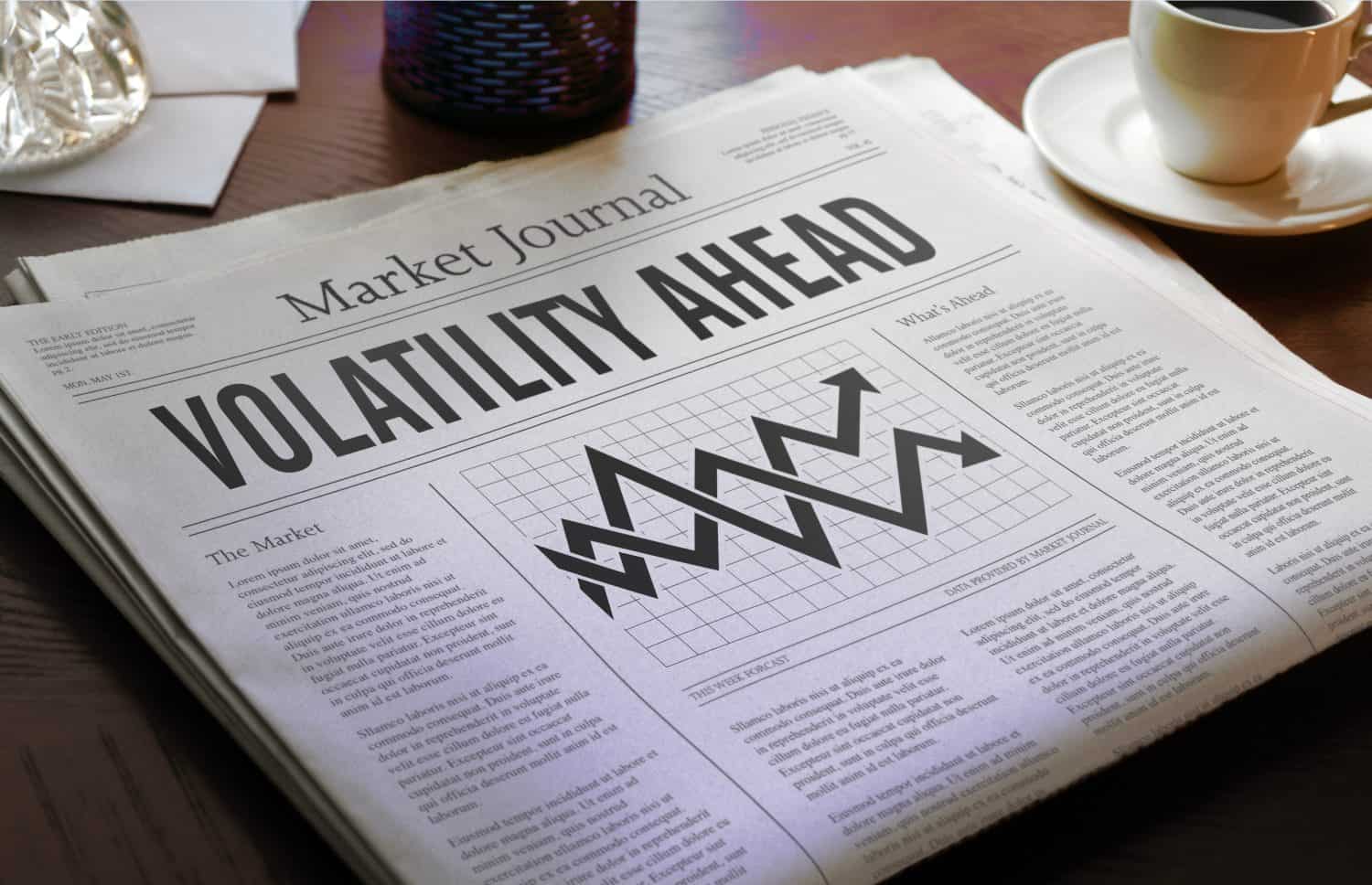
The VIX has climbed 41% in a single month, sitting at 26.95 and in the 93rd percentile of the past year’s readings. For retirement investors who felt last April’s volatility spike to 52.33, that environment raises a pointed question: is a smoother ride worth the cost of a slower one?
iShares MSCI Global Min Vol Factor ETF (NYSEARCA:ACWV) is built to answer yes. The fund tracks the MSCI All Country World Minimum Volatility Index, selecting and weighting global stocks to minimize portfolio variance rather than maximize exposure or market-cap weight. Think of it as a global equity fund with a built-in preference for boring.
What Role This Fund Is Designed to Fill
ACWV targets investors who want global equity participation but are sensitive to drawdowns, particularly those in or near retirement where a sharp loss at the wrong time can permanently damage a withdrawal plan. The fund holds broad international equity exposure across developed and emerging markets, with 59% allocated to the United States, 10% to Japan, and 6% to China.
The return engine is straightforward: own businesses with stable cash flows and low historical volatility, let the index optimizer constrain position and sector concentration, and collect modest dividends along the way. The fund’s 1.79% dividend yield is not the draw. Capital preservation with equity-like upside over time is the pitch.
The sector mix reflects that goal. Healthcare at 14%, Consumer Staples at nearly 10%, and Utilities at 7% give the fund its defensive character. Top holdings include Johnson & Johnson, Duke Energy, Cisco, and Waste Management, each weighted around 1-1.5%. Conspicuously absent are the mega-cap growth names that dominate standard index funds. Apple sits at just 0.11% of the portfolio, and Nvidia at 0.36%.
The Gap Between the Promise and the Numbers
ACWV delivers lower volatility mechanically. But the honest conversation for retirement investors is about total return, and that picture is more complicated.
Over the past year, ACWV returned 5.11% while the S&P 500 returned 14.14%. Over five years, the gap widens: 34% for ACWV versus 66% for the S&P 500. The ten-year picture is starker, with ACWV up 105% against the S&P 500’s 223%. The fund does exactly what it promises, but that promise costs real compounding over time.
Where ACWV earns its keep is in environments like the present one. Year to date, the fund is essentially flat at up 0.1% while the S&P 500 is down 3.68%. That relative stability matters enormously when you are drawing income from a portfolio rather than adding to it.
Three Tradeoffs Worth Understanding
- You will trail in bull markets, structurally. The deliberate underweight to high-growth technology means ACWV participates less when markets are driven by names like Nvidia or Apple. Over the past decade, that has been most of the time. Investors who hold this fund need to accept that as a feature, not a bug, or the frustration will be real.
- Geographic concentration still exists. Despite the "global" label, nearly 60% of the fund sits in the United States. The international diversification is real but modest. Investors seeking meaningful non-US exposure may find this fund underwhelms relative to its name.
- Rising rates compress the appeal. With the 10-year Treasury yielding 4.39% and the Fed holding steady at 3.75%, the opportunity cost of holding a fund with a 1.79% dividend yield is real. Defensive equity strategies compete with fixed income for the same retirement dollars, and right now bonds are offering more income with less volatility risk.
The fund’s design fits investors within five years of or already in retirement who prioritize not losing ground over maximizing gains. For those still accumulating wealth with a decade or more ahead, the historical return gap between ACWV and a standard index fund is worth understanding before committing.
Contact [email protected] for any questions or corrections.














 Top Gaining Stocks
 Top Losing Stocks