Is This ETF the Safest Way to Benefit From AI?
Every major AI buildout has needed one thing before the servers could run: reliable power. The electricity grid is the binding constraint on how fast AI can scale, making utilities one of the most structurally important beneficiaries of the AI…


Every major AI buildout has needed one thing before the servers could run: reliable power. The electricity grid is the binding constraint on how fast AI can scale, making utilities one of the most structurally important beneficiaries of the AI era, even if the sector rarely gets mentioned alongside Nvidia (NASDAQ:NVDA | NVDA Price Prediction) or Microsoft (NASDAQ:MSFT).
What XLU Is Actually Built to Do
The Utilities Select Sector SPDR Fund (NYSEARCA:XLU) is a passive, index-tracking ETF giving investors concentrated exposure to U.S. regulated utilities. The fund holds over 99% of its portfolio in utilities stocks across 35 holdings, with zero allocation to technology, financials, or any other sector. It launched in December 1998, manages $24.4 billion in assets, charges a 0.08% expense ratio, and yields 2.61% in dividends.
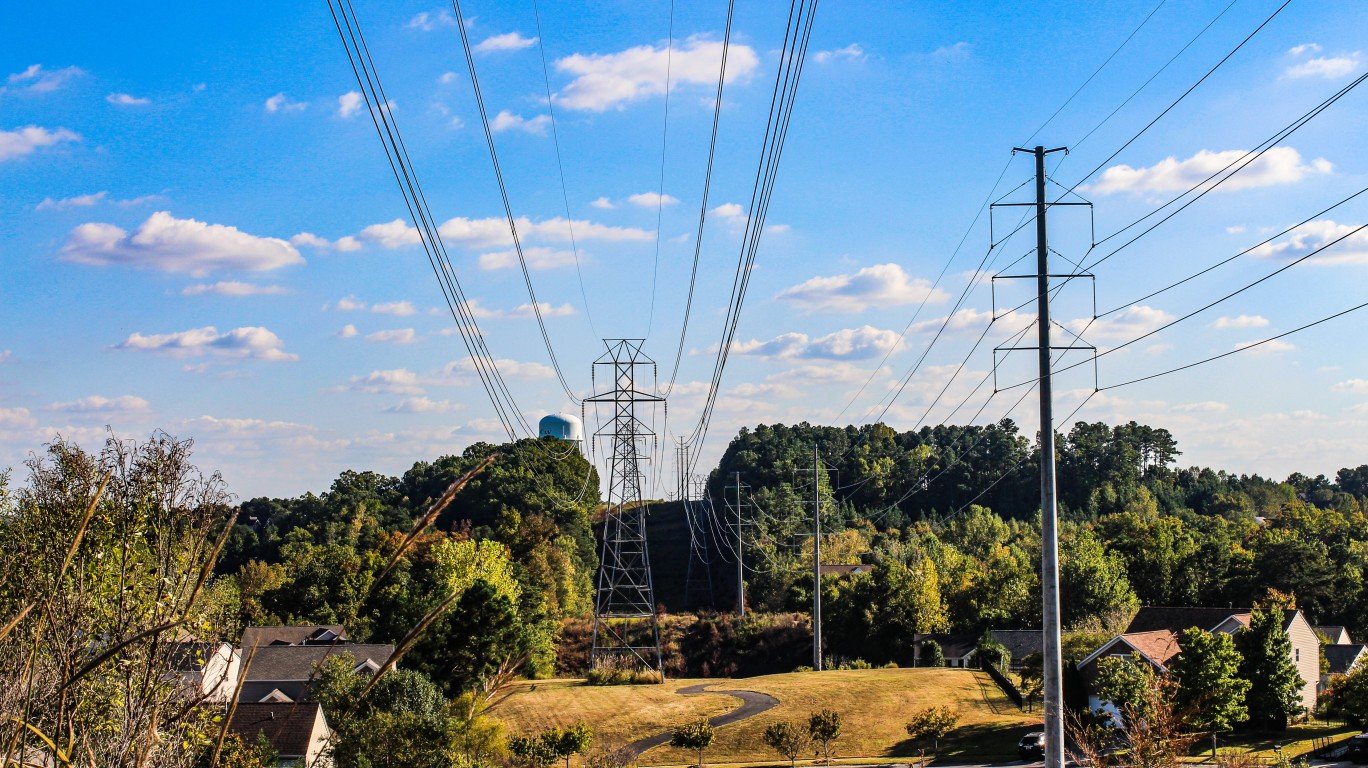
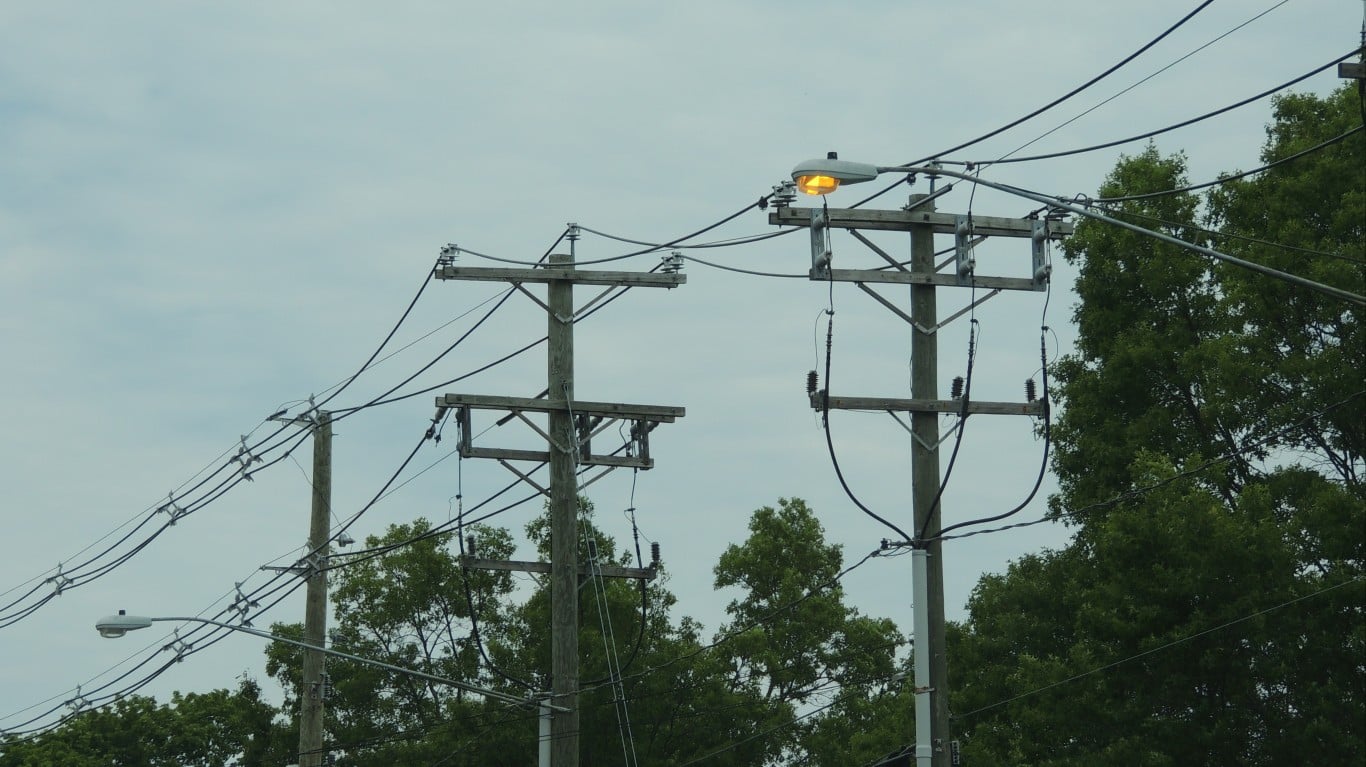
Regulated utilities earn predictable, government-approved returns on grid infrastructure. Rate cases, not market competition, determine their revenue. XLU is a way to own the pipes that AI must flow through and collect income while the infrastructure gets built.
The top five holdings are quality utility stocks: NextEra Energy (NYSE:NEE) at about 13.3% weight, Southern Co (NYSE:SO) at about 7.3%, and Constellation Energy (NASDAQ:CEG) at about 6.5%. These are the backbone of the American power grid.
The AI Power Thesis Is Bigger Than Most Investors Realize
Data centers draw enormous power around the clock and require water for cooling, physical transmission infrastructure, and grid upgrades to handle the load. The International Energy Agency has characterized this as a “power demand super cycle,” with electricity demand from data centers expected to more than double by 2030. Most data centers under construction have not yet come online. When they do, the draw on the grid will be unlike anything utilities have managed before.
American Electric Power (NASDAQ:AEP) has already secured 24 gigawatts of new load commitments through 2030 and raised its five-year capital plan to $70 billion. NextEra Energy, the fund’s largest holding, reported a total project backlog of approximately 30 gigawatts serving technology and data center customers.
Does the Performance Hold Up?
Over the past year, XLU returned about 16.5%, compared to nearly 13% for the S&P 500. Year-to-date in 2026, XLU is up 6.4% while the S&P 500 is down about 7%, a spread reflecting both the AI power demand narrative and utilities’ defensive characteristics in a volatile market.
Over five years, XLU returned about 66% against about 71% for the S&P 500. However, XLU is catching up while the SPY is falling due to market pressures..
Three Tradeoffs Worth Understanding
The first tradeoff is that you get less upside relative to direct AI exposure. XLU owns the power grid, not the AI companies. Nvidia and Microsoft capture the margin-rich side of the AI economy. Utilities earn regulated returns set by public commissions, and the fund has zero technology allocation, meaning any outperformance from AI software or chip names won’t translate into. gains.
Then there’s interest rate sensitivity. Utilities carry heavy debt loads to finance infrastructure. When rates rise, borrowing costs increase, and the dividend yield becomes less competitive against bonds. A reversal in rate policy could pressure valuations across the portfolio.
Utility ETFs also come with a lot of concentration risk, as 99% of assets are in utilities. That said, the best remedy is to buy XLU while pairing it up with other safe ETFs to add more ballast to your portfolio. And despite all the good performance recently, expecting it to keep pace with a technology bull market will consistently be disappointing.
I’d still buy XLU simply due to the tailwinds here. Companies are building out data centers at a rapid pace, regardless of what the bears are saying, and XLU remains a top beneficiary.
Contact [email protected] for any questions or corrections.
Omor Ibne Ehsan is a writer at 24/7 Wall St. He is a self-taught investor with a focus on growth and cyclical stocks that have strong fundamentals, value, and long-term potential. He also has an interest in high-risk, high-reward investments such as cryptocurrencies and penny stocks.