Ben Carlson Exposes Nike’s Paradox: Premier Brand, Terrible Stock
Nike (NYSE:NKE | NKE Price Prediction) remains the most recognizable name in athletic footwear. That brand reality has delivered a painful gap for shareholders, and Ben Carlson surfaced the tension on the Animal Spirits podcast episode “Everyone Back in the…

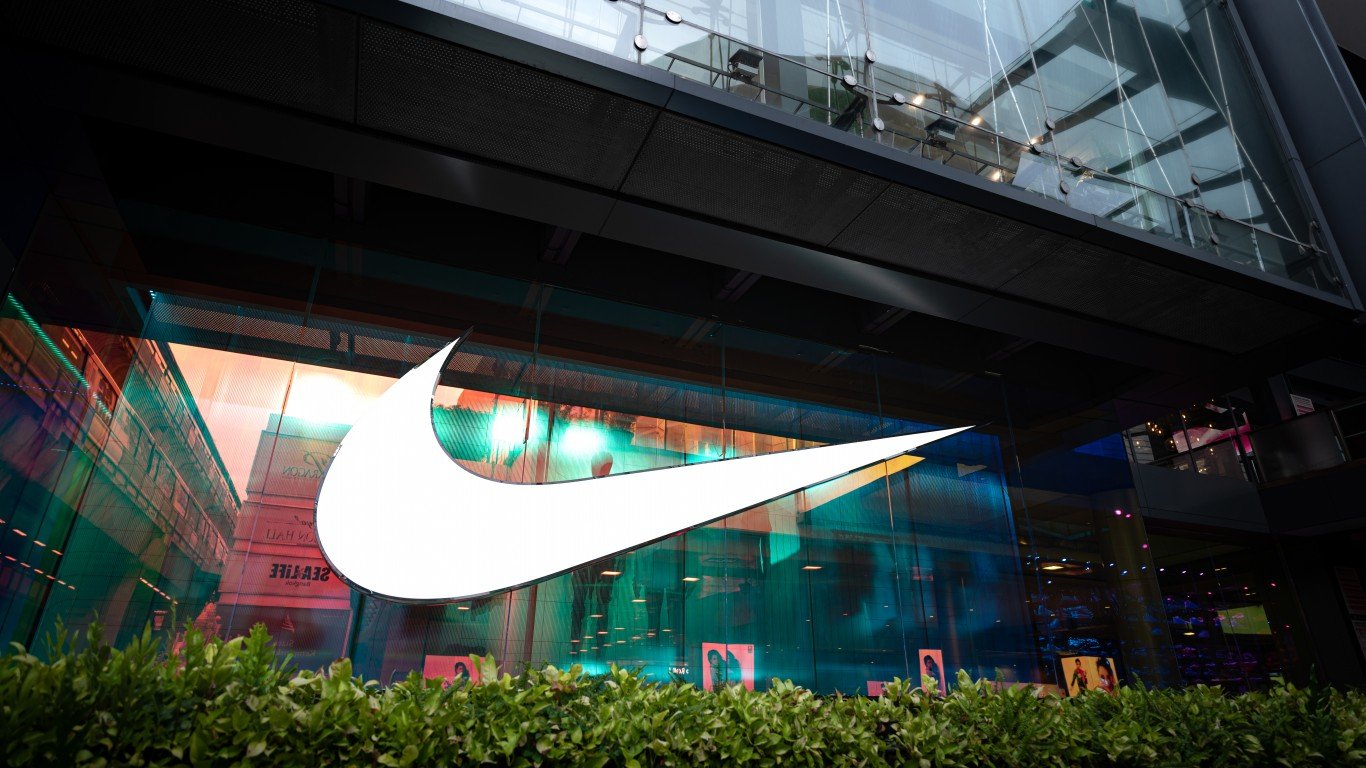
Nike (NYSE:NKE | NKE Price Prediction) remains the most recognizable name in athletic footwear. That brand reality has delivered a painful gap for shareholders, and Ben Carlson surfaced the tension on the Animal Spirits podcast episode “Everyone Back in the Boat” (EP. 460).
“I feel like it’s a shitty investment and the company is legitimately not doing great… but like it’s still the premier brand in footwear and in athletic retail. But from an investment point of view, it sucks,” Carlson said.
The numbers behind that assessment are hard to argue with. Over the past five years, Nike shares are down 66% while the S&P 500 gained 67% over the same period. Over 10 years, Nike is down 26% versus the market up 238%. That is a decade of brand dominance paired with a decade of wealth destruction for shareholders.
What the Business Actually Looks Like Right Now
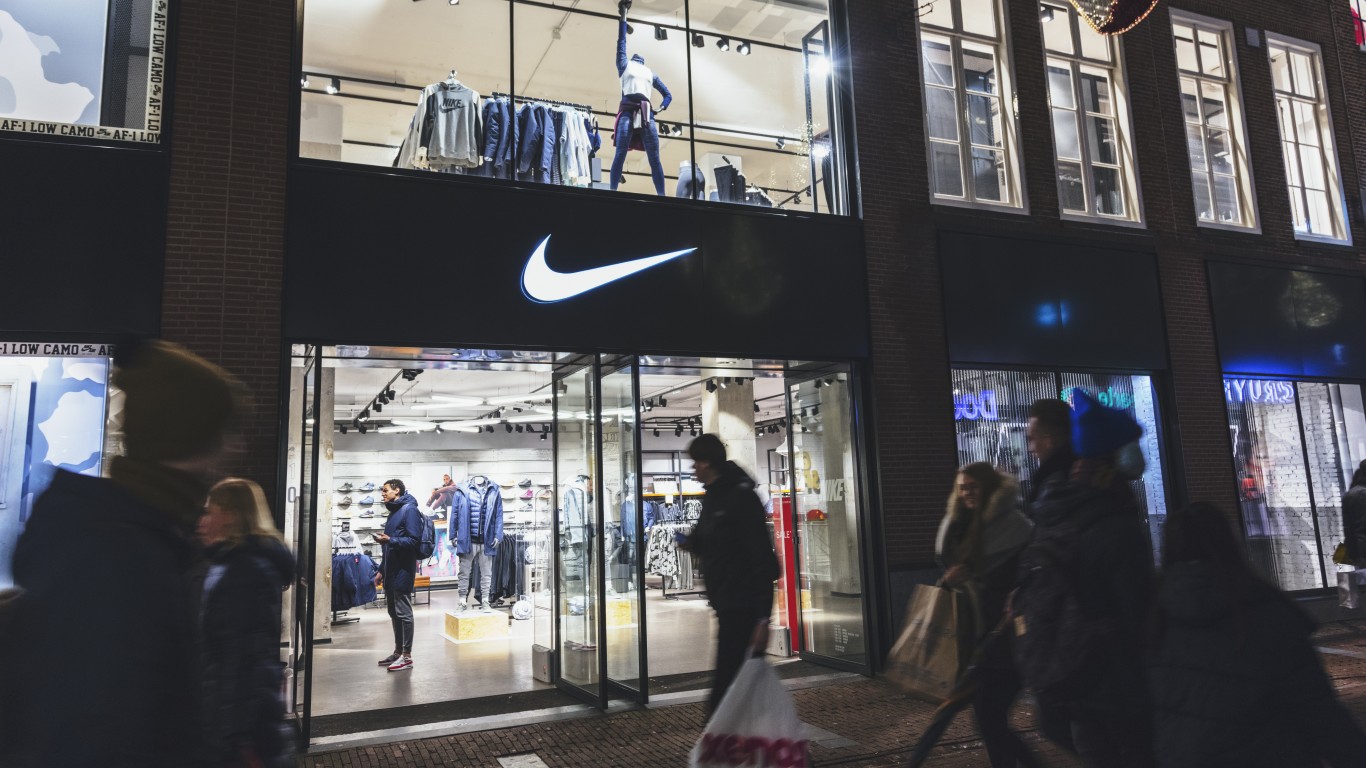
Carlson walked through the most recent quarterly results on the podcast: “For this quarter, revenues were flat on a reported basis and down 3% on a currency-neutral basis. Nike Direct was down 7%, with Nike Digital declining 9% and Nike Stores declining 5%.” The Nike investor relations page confirms the picture. Net income fell 34.51% year over year in the most recent quarter, and operating income dropped 19.42%. Gross margin compressed to 40%, down 130 basis points year over year.
The EPS beats look encouraging on the surface. Nike posted $0.35 per share against a $0.28 estimate. The underlying reality is that those beats reflect tax rate normalization and share count reduction from buybacks, not operational momentum. The company has repurchased approximately $12.1 billion in shares since 2022, which flatters per-share figures even as the business shrinks.
The Strategic Mistake That Started the Slide
Carlson and co-host Michael Batnick identified Nike’s decision to sell direct and avoid Amazon as a “horrible mistake.” The company leaned aggressively into direct-to-consumer and pulled back from wholesale partners, a strategy that has since reversed. NIKE Direct has declined four consecutive quarters, while wholesale has been the only channel showing growth. CEO Elliott Hill’s “Win Now” initiative is essentially an admission that the prior strategy failed.
Batnick captured the paradox that makes Nike so confusing for investors: “I don’t view Nike as a brand that has been totally tarnished either… It doesn’t seem to me like it’s a tarnished brand that people don’t wear anymore.”

The Investor Lesson
Carlson used Nike to push back on a friend who believed strong brands always recover. His response: “sometimes” and “It doesn’t always work this way.” Brand affinity and investment quality are separate questions. Nike’s consumer relevance is intact. Its financials tell a different story. The stock trades at a trailing P/E of 29x against quarterly earnings growth of -35% year over year, which means investors are still paying a premium for a recovery that management itself describes as uneven and nonlinear.
Contact [email protected] for any questions or corrections.
Joel South covers large-cap stocks, dividend investing, and major market trends, with a focus on earnings analysis, valuation, and turning complex data into actionable insights for investors.
He brings more than 15 years of experience as an investor and financial journalist, including 12 years at The Motley Fool, where he served as an investment analyst, Bureau Chief, and later led the Fool.com investing news desk. He has also co-hosted an investing podcast and appeared across TV and radio discussing market trends.