Wells Fargo Gets Three Price Target Cuts in One Day: Is the ROTCE Recovery Story Falling Apart?
Wells Fargo (NYSE:WFC | WFC Price Prediction) stock slipped on Wednesday after three Wall Street firms trimmed their price targets following the bank’s Q1 2026 earnings release on April 14. The cuts from Barclays, Bank of America, and Piper Sandler…

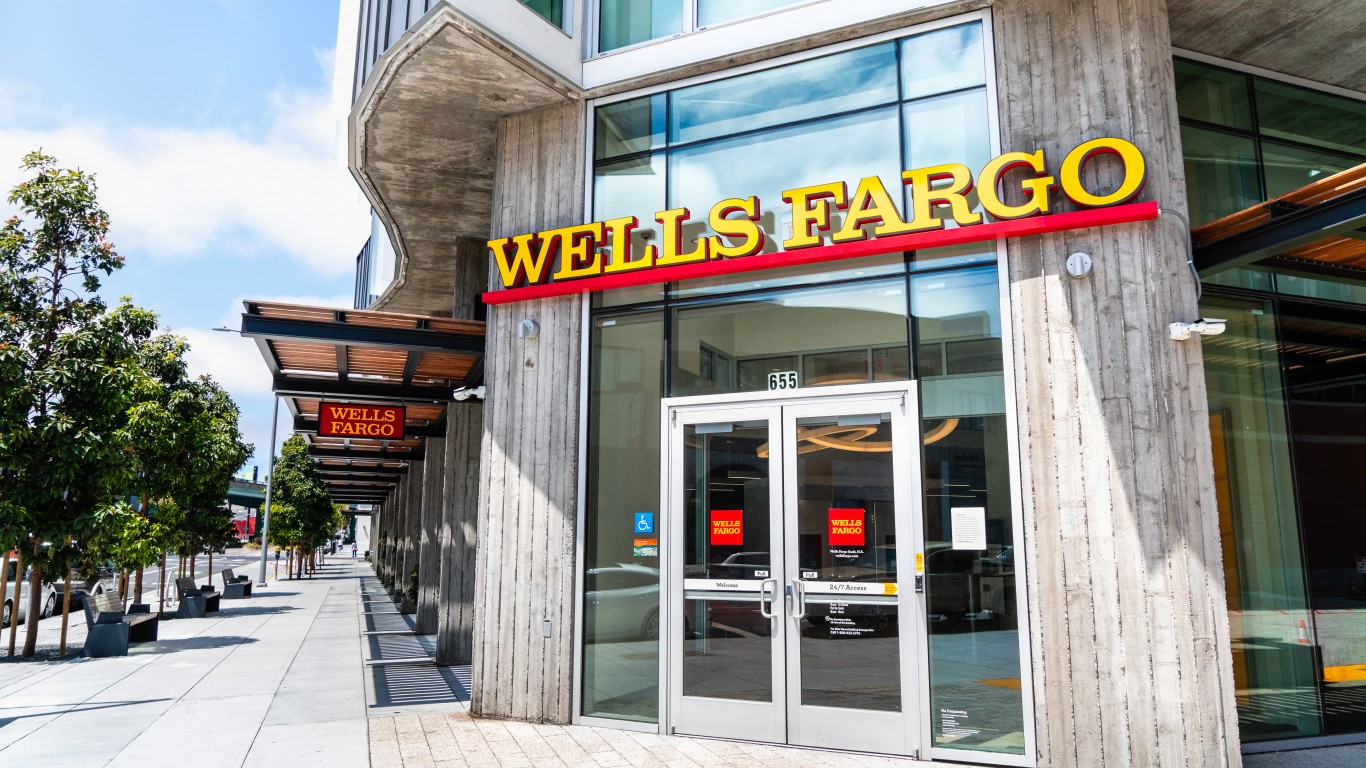
Wells Fargo (NYSE:WFC | WFC Price Prediction) stock slipped on Wednesday after three Wall Street firms trimmed their price targets following the bank’s Q1 2026 earnings release on April 14. The cuts from Barclays, Bank of America, and Piper Sandler signal growing unease about whether Wells Fargo can deliver on its ambitious profitability targets. WFC stock trades near $80.75, down 13% year-to-date.
The headline numbers were solid for Wells Fargo: diluted EPS of $1.6, up 15% year-over-year, and revenue of $21.45 billion, up 6%. Yet Wells Fargo’s net interest margin compression and softer-than-expected fee income gave analysts reason to reassess the bank’s trajectory toward its medium-term ROTCE target of 17% to 18%.
| Ticker | Company | Firm | Action | Old Rating | New Rating | Old Target | New Target |
|---|---|---|---|---|---|---|---|
| WFC | Wells Fargo | Barclays | Price Target Cut | Overweight | Overweight | $113 | $108 |
| WFC | Wells Fargo | BofA | Price Target Cut | Buy | Buy | $107 | $95 |
| WFC | Wells Fargo | Piper Sandler | Price Target Cut | Overweight | Overweight | $100 | $94 |

The Analyst’s Case
Barclays analyst Jason Goldberg trimmed his WFC stock price target to $108 from $113 while keeping an Overweight rating. Earnings excluding a tax benefit were light, with net interest income, fees, and expenses all coming in below expectations, though Goldberg acknowledged that asset quality remained stable and buybacks continued.
BofA made the sharpest cut, dropping its Wells Fargo stock price target to $95 from $107 while maintaining a Buy. The firm called Wells Fargo’s net interest margin contraction of 13 basis points quarter-over-quarter the “real sticker shock,” and flagged that it raises further doubts around the ROTCE improvement thesis. BofA also lowered its FY26 and FY27 EPS estimates for Wells Fargo by 2% and 4%, respectively, and reduced its assigned multiples on diminished EPS visibility.
Moreover, Piper Sandler lowered its WFC stock price target to $94 from $100, keeping an Overweight rating. Its revised estimates put 2026 EPS at $6.72 (down from $6.82) and 2027 EPS at $7.36 (down from $7.42). These trims reflect a consistent theme: the path to 17% to 18% ROTCE is narrowing.
Why the Move Matters Now
NIM compression is the core concern. Wells Fargo’s net interest margin declined 13 basis points from Q4 2025, landing at 2%, down from 3% a year ago. Wells Fargo CFO Michael Santomassimo was direct on the earnings call, stating, “I would expect additional margin compression next quarter.”
The yield curve isn’t helping. The 10-year minus 2-year Treasury spread compressed sharply from 1% in early February to 1% as of April 14, squeezing the rate environment that banks rely on for NII expansion. Meanwhile, CIB Commercial Real Estate revenue fell 21% year-over-year, adding another drag.
What It Means for Your Portfolio
The bulls aren’t gone. All three firms kept constructive ratings on Wells Fargo stock, and the broader analyst consensus still carries 18 Buy or Strong Buy ratings against 10 Hold ratings and zero Sells, with a consensus target near $99. Wells Fargo CEO Charlie Scharf reinforced confidence on the earnings call, declaring, “We feel as confident as ever in that target. There is absolutely nothing that has changed.”
For long-term, income-focused investors, the $0.45 quarterly dividend and $4 billion in Q1 buybacks indicate that Wells Fargo is still returning serious capital. If NIM compression deepens and ROTCE progress stalls, the multiple could face further pressure.
Watch for whether Q2 NII guidance holds steady and whether margin trends stabilize before adding to a position in Wells Fargo stock. For broader context on how Wall Street is treating financial and other sector names right now, see our recent coverage of analyst activity across major sectors.
Contact [email protected] for any questions or corrections.
David Moadel is financial writer specializing in stocks, ETFs, options, precious metals, and Bitcoin. David has written well over 1,000 articles for leading online publications, helping investors understand markets, income strategies, and risk.His work has appeared in The Motley Fool, InvestorPlace, U.S. News & World Report, TipRanks, ValueWalk, Benzinga, Market Realist, TalkMarkets, Finmasters, 24/7 Wall St., and others.With a master’s degree in education, David has taught at the elementary, high school, and college levels. That teaching background shapes his writing style: clear, educational, and practical. David has also built a loyal social-media audience by providing trustworthy financial content on YouTube, X/Twitter, and StockTwits.