Tesla Upgraded by UBS: Is the Physical AI Giant Finally Too Cheap to Ignore?
Tesla (NASDAQ:TSLA | TSLA Price Prediction) stock just received a notable vote of cautious confidence from Wall Street. UBS analyst Joseph Spak upgraded Tesla to Neutral from Sell, citing a more balanced risk-reward at current price levels. For a stock…


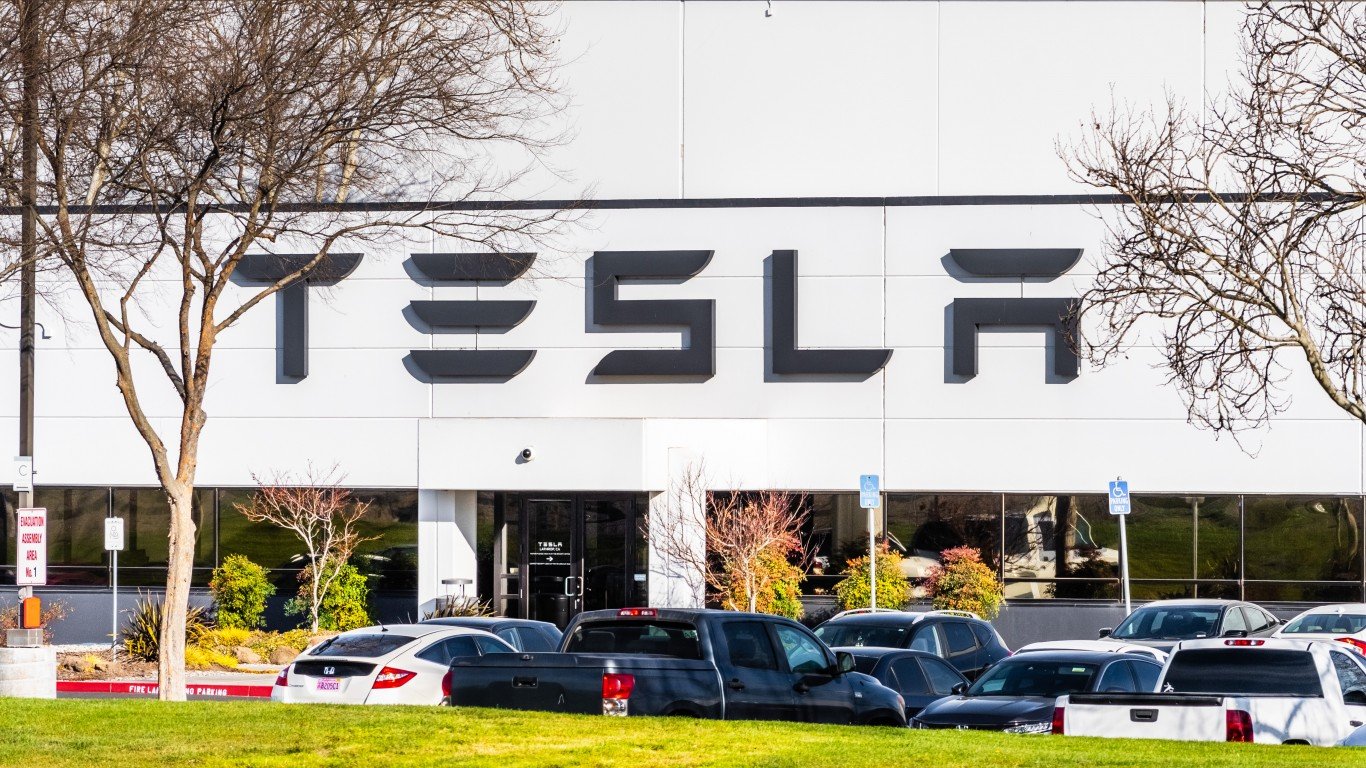
Tesla (NASDAQ:TSLA | TSLA Price Prediction) stock just received a notable vote of cautious confidence from Wall Street. UBS analyst Joseph Spak upgraded Tesla to Neutral from Sell, citing a more balanced risk-reward at current price levels. For a stock under significant pressure, it signals the worst selling pressure may be behind it.
TSLA stock has declined 20% year-to-date, falling from $449.72 at the start of the year to $360 today. That pullback, combined with Tesla’s longer-term physical AI ambitions, pushed UBS off the sidelines, even if only halfway.
| Ticker | Company | Firm | Action | Old Rating | New Rating | Old Target | New Target |
|---|---|---|---|---|---|---|---|
| TSLA | Tesla | UBS | Upgrade | Sell | Neutral | $352 | $352 |
The Analyst’s Case
UBS argues that current share levels “more evenly balance” Tesla’s near-term demand challenges and investment period with its long-term physical AI opportunity. That’s analyst-speak for saying the stock had gotten cheap enough to remove the Sell rating, even if full Buy conviction isn’t there yet.
The firm believes concerns over electric vehicle demand, a Q1 energy shortfall, higher costs, higher capital spending requirements, and slow progress on robo-taxi and Optimus have weighed on the stock. UBS also notes that Tesla shares trade more on sentiment and momentum than fundamentals, which explains why the stock has swung so dramatically despite a relatively stable underlying business.
Importantly, UBS expects eventual progress on the automaker’s robotaxi and Optimus programs, and continues to view Tesla as a leader in physical AI. The price target remains unchanged at $352, which sits at the current trading price.
Company Snapshot
Tesla designs, develops, and manufactures electric vehicles, energy storage systems, and related software. In Q4 2025, Tesla reported revenue of $24.9 billion, with energy generation and storage revenue growing 25% year-over-year to $3.84 billion on record deployments of 14.2 GWh.
Vehicle deliveries remain a sore spot. Q4 deliveries declined 16% year-over-year to 418,227 units. Tesla ended the quarter with a cash position of $44.06 billion, up 173% year-over-year,, giving it substantial runway to fund its ambitious 2026 capital plans. Tesla CEO Elon Musk has outlined capital expenditures in excess of $20 billion for 2026 across six new factories, AI compute infrastructure, and robotaxi fleet expansion.
Why the Move Matters Now
The UBS upgrade arrives as Tesla’s valuation has compressed meaningfully. The stock carries a trailing P/E ratio of 326x, which sounds extreme, but the forward P/E ratio of 167x reflects market expectations for an earnings recovery tied to autonomous driving and robotics. For context on how Wall Street is broadly reassessing tech valuations, see this analysis of Microsoft’s stock price drop versus its Wall Street target.
The broader analyst community remains constructive. The consensus price target sits at $415.30, with 23 Buy ratings, 17 Holds, and 8 Sells. Prediction markets currently assign a 39% probability that Tesla beats Q1 earnings, due later this month.
What It Means for Your Portfolio
If you’re a long-term, income-focused investor, this upgrade won’t move the needle on its own. Tesla pays no dividend, carries an elevated valuation, and faces real near-term headwinds including tariff uncertainty and brand pressure in Europe. The UBS call is less “buy now” and more “the downside is priced in.”
If you believe Tesla’s robotaxi and Optimus programs eventually deliver at scale, the current price offers a more reasonable entry point than it did earlier in the year. The key question is whether you trust the physical AI thesis enough to hold through continued execution risk. That’s a decision only you can make based on your timeline and risk tolerance.
Contact [email protected] for any questions or corrections.
David Moadel is financial writer specializing in stocks, ETFs, options, precious metals, and Bitcoin. David has written well over 1,000 articles for leading online publications, helping investors understand markets, income strategies, and risk.His work has appeared in The Motley Fool, InvestorPlace, U.S. News & World Report, TipRanks, ValueWalk, Benzinga, Market Realist, TalkMarkets, Finmasters, 24/7 Wall St., and others.With a master’s degree in education, David has taught at the elementary, high school, and college levels. That teaching background shapes his writing style: clear, educational, and practical. David has also built a loyal social-media audience by providing trustworthy financial content on YouTube, X/Twitter, and StockTwits.