Morgan Stanley and JPMorgan Say Buy the Netflix Dip: Is Wall Street Right to Ignore the Q2 Guidance Scare?
Netflix (NASDAQ:NFLX | NFLX Price Prediction) shares are down roughly 10% on April 17 after the streaming giant posted a mixed Q1 2026 earnings report that beat on revenue but missed on EPS, and guided Q2 slightly below expectations. The…


Netflix (NASDAQ:NFLX | NFLX Price Prediction) shares are down roughly 10% on April 17 after the streaming giant posted a mixed Q1 2026 earnings report that beat on revenue but missed on EPS, and guided Q2 slightly below expectations. The selloff has Wall Street divided, with some firms calling it a buying opportunity and others flagging deceleration risk.
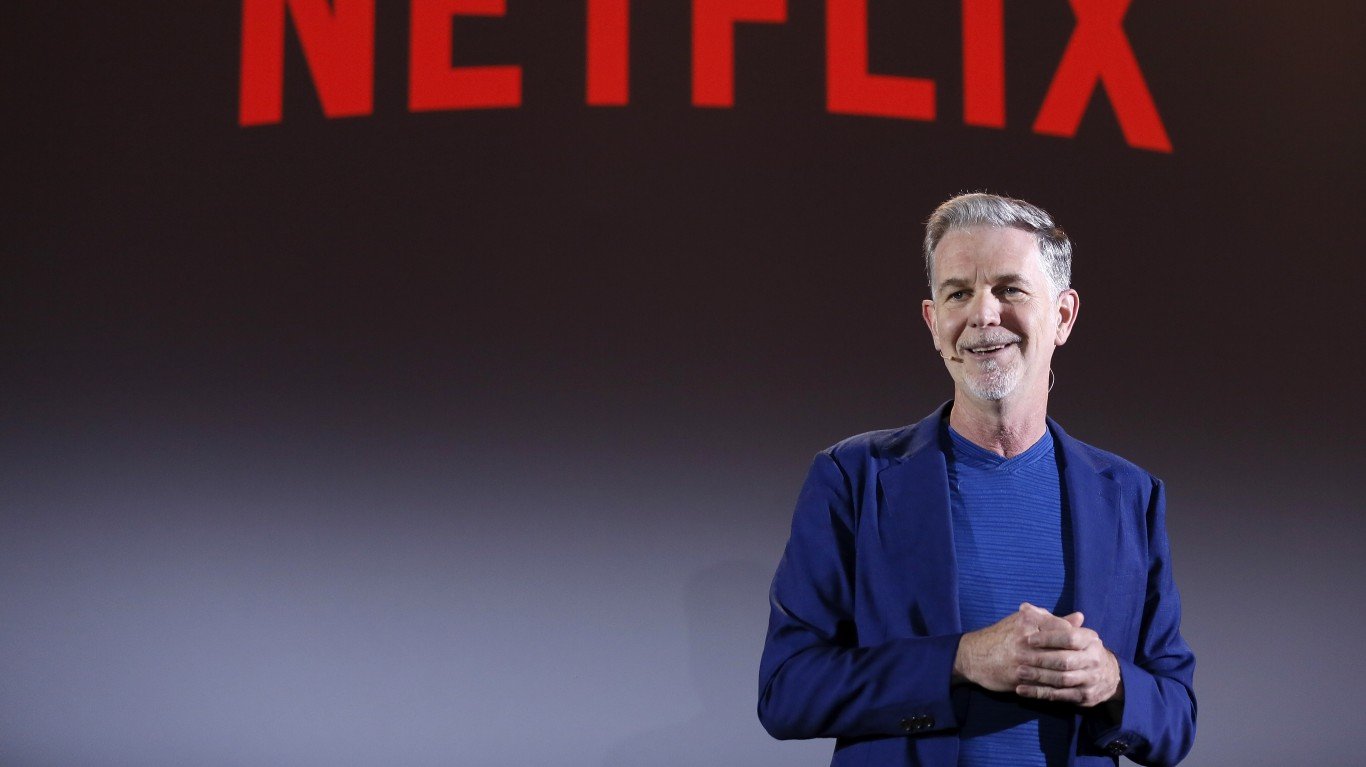
Netflix reported Q1 EPS of $1.23 on revenue of $12.25 billion, beating the revenue estimate of $12.17 billion. The guidance scare came from Q2 2026: EPS of $0.78 on revenue of $12.57 billion versus estimates of $0.84 EPS and $12.64 billion. Adding to the noise, co-founder Reed Hastings announced his departure as Chairman.
Is this a dip worth buying, or a warning sign? Eight analyst firms weighed in, and they don’t all agree.
The Analyst’s Case
Morgan Stanley kept its Overweight rating on Netflix stock with a $115 price target and said it would “buy the dip.” The firm nudged up its FY27 EPS forecast to $3.87 and finds “valuation compelling for a compounder with pricing power.” Morgan Stanley believes the Q2 guidance miss and lack of FY26 raise are explained by timing of U.S. price hikes and conservatism early in the year.
JPMorgan also maintained an Overweight rating on NFLX stock with a $118 price target and recommends buying on the selloff. The firm believes Netflix “continues to execute well, with considerable growth headroom,” and notes that price increases for the year are already factored into initial 2026 guidance for revenue growth of 12% to 14%.
Meanwhile, Needham maintained its Buy rating on Netflix shares with a $120 price target, citing lower churn, pricing power, and new mobile engagement products including vertical video, video podcasts, and kids’ games. Piper Sandler raised its price target to $115 from $103 with an Overweight rating, calling the Q1 print in line and noting Netflix “appears refocused on core with adjacent initiatives like ads growing well.”
Where the Bears Push Back
Wolfe Research cut its NFLX stock price target to $107 from $110 while keeping an Outperform rating, arguing the Q2 guidance miss signals slowing sales and margin momentum after several years of exceptional growth, with consensus estimates for Q2 likely to be revised lower. Barclays lowered its target to $110 from $115 at Equal Weight, warning that the stock’s reaction “points to the risk with expectations set up which may persist beyond the short term.”
Pivotal Research holds at $96 and believes the Netflix story is “lacking excitement relative to a rich valuation.” Rosenblatt lowered its target to $95 from $96 at Neutral, musing that “maybe this is just a wobble that everyone should ignore” while acknowledging the 10% after-hours decline “suggests fears of worse.”
What It Means for Your Portfolio
The bull case rests on Netflix’s full-year confidence. The company reaffirmed revenue guidance of $50.7 billion to $51.7 billion and raised its free cash flow forecast to $12.5 billion from $11 billion. The advertising business is gaining traction, with advertiser count growing 70% year over year to over 4,000 clients.
The bear case is simpler: expectations were high, the Q2 guide disappointed, and the stock’s valuation leaves little room for error. If you believe Netflix’s Q2 content cost front-loading is temporary and pricing power remains intact, the dip looks like an opportunity. However, if you think the deceleration narrative has legs, patience may serve you better than urgency.
Contact [email protected] for any questions or corrections.
David Moadel is financial writer specializing in stocks, ETFs, options, precious metals, and Bitcoin. David has written well over 1,000 articles for leading online publications, helping investors understand markets, income strategies, and risk.His work has appeared in The Motley Fool, InvestorPlace, U.S. News & World Report, TipRanks, ValueWalk, Benzinga, Market Realist, TalkMarkets, Finmasters, 24/7 Wall St., and others.With a master’s degree in education, David has taught at the elementary, high school, and college levels. That teaching background shapes his writing style: clear, educational, and practical. David has also built a loyal social-media audience by providing trustworthy financial content on YouTube, X/Twitter, and StockTwits.