Forget Generic Gaming Plays: 3 ETFs Reveal the Real Digital Entertainment Divide
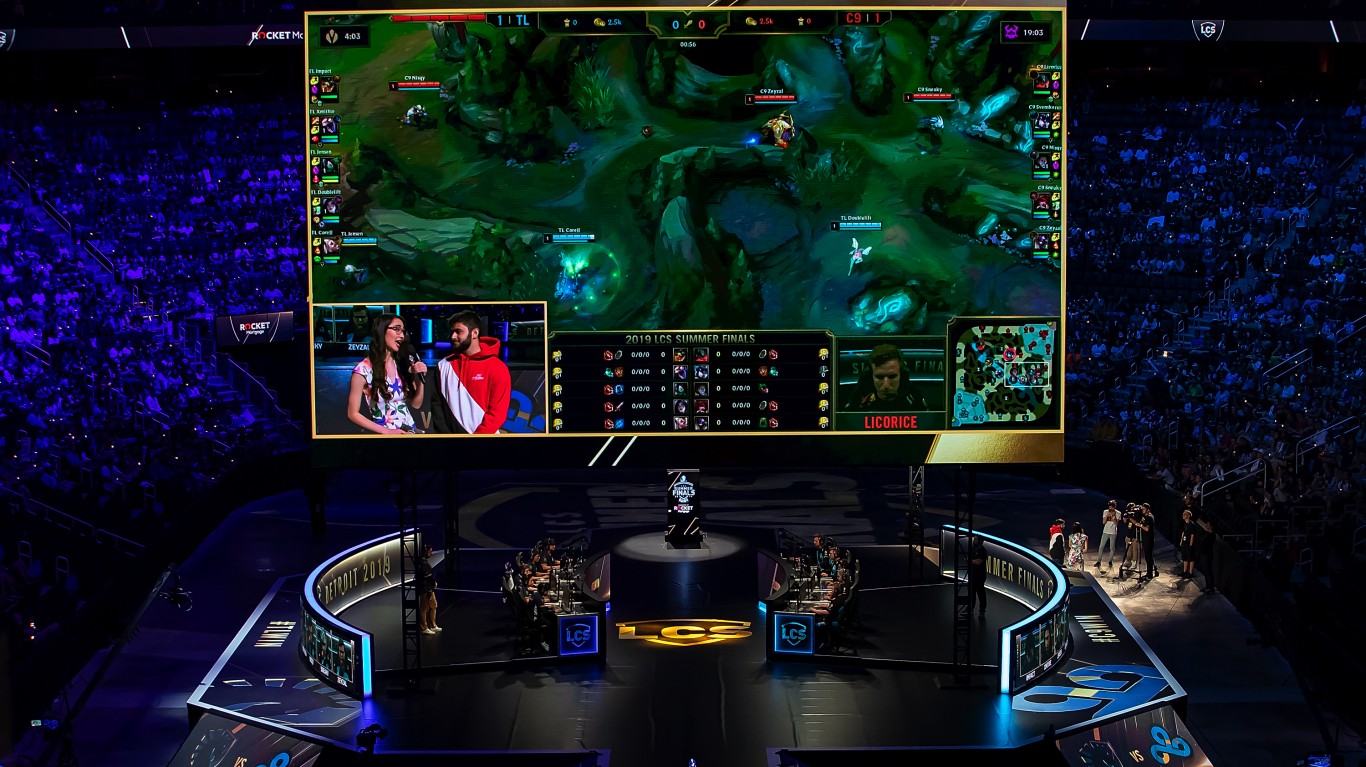
Digital entertainment has grown into one of the largest discretionary categories for consumers, and it continues to draw more time and attention every year. Video games, esports, live streaming, and online wagering all compete for the same hours, even though…

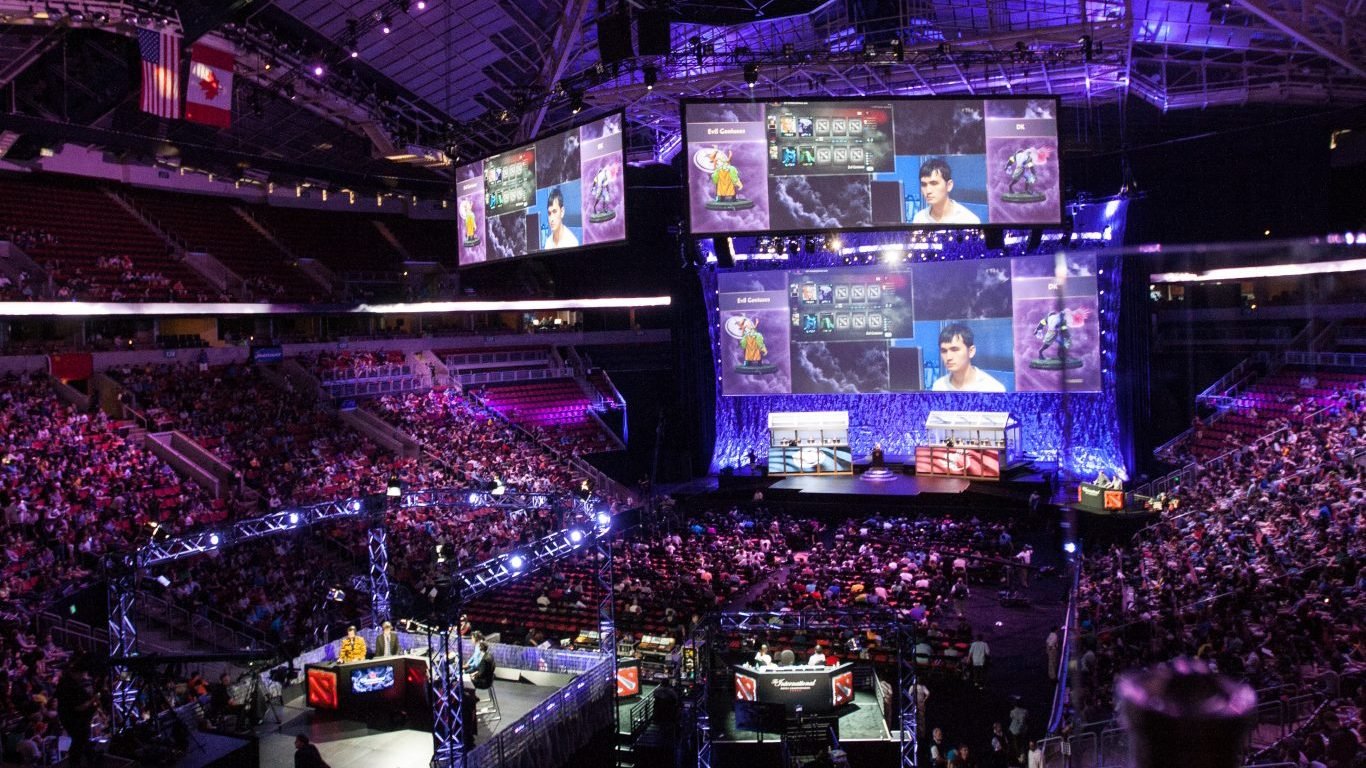
Digital entertainment has grown into one of the largest discretionary categories for consumers, and it continues to draw more time and attention every year. Video games, esports, live streaming, and online wagering all compete for the same hours, even though the companies behind them look very different. A handful of ETFs try to capture pieces of this ecosystem, and the differences between them matter a lot more than the shared “gaming” label suggests.
Two of the funds stick closely to video games and esports. The third leans into casinos and online gambling, the older, more traditional meaning of the word gaming. Their returns have diverged over the past five years, largely because these businesses no longer move in sync, and each has handled the post‑pandemic reset in player engagement in its own way.
ESPO: Concentrated Large-Cap Video Game Exposure
The VanEck Video Gaming and eSports ETF (NYSEARCA:ESPO) tracks the MVIS Global Video Gaming and eSports Index, which screens for companies that generate at least half of their revenue from video games or esports. The result is a concentrated portfolio weighted toward the largest global publishers and hardware names, with top holdings including Nintendo, Tencent, and Electronic Arts.
The logic for placing ESPO on this list comes down to scale economics. Large publishers own the franchises that dominate player hours, and hardware companies own the platforms where those games run. Both groups capture the benefit of expanding user bases and rising in-game spending without carrying the binary risk of any single title’s launch. The fund’s sector tagging spans Communication Services, Consumer Discretionary, and Technology, which reflects the hybrid nature of gaming companies rather than a deliberate multi-sector strategy.
Shares trade around $92, with a year-to-date decline of roughly 12% and a one-year return near 3%. Over five years, the fund is up about 38%, and it has more than tripled since its inception in late 2018. The tradeoff is concentration. A sharp decline at one of the top holdings, particularly Nintendo or Tencent, moves the ETF meaningfully, and geographic tilt toward Japan and China brings currency and policy exposure that a domestic gaming basket would not carry.
HERO: A Wider Net Across the Gaming Value Chain
The Global X Video Games & Esports ETF (NASDAQ:HERO) covers similar ground but spreads its weight more broadly across the video games and esports value chain. The fund holds publishers and hardware makers alongside esports league operators, streaming platforms, and component suppliers tied to gaming hardware. Communications services account for the dominant sector weighting, consistent with the reach of the largest game publishers in the portfolio.
Top 10 holdings account for 54% of total assets, leaving a larger tail of smaller and mid-cap names than ESPO has. For investors who want exposure to emerging segments of the industry, including cloud gaming platforms, in-game advertising, and tournament operators, HERO allocates a larger share of its portfolio weight to those categories than a pure large-cap basket would.
The broader design has not translated into better performance. HERO trades near $27, is down about 11% year to date, and has returned roughly 1% over the past year. Shares are trading below where they were five years ago, down 15% over that stretch. The smaller and mid-cap names that give HERO its broader profile have absorbed most of the damage during the post-2021 reset in gaming stocks, highlighting the fund’s core trade-off: wider coverage comes with heavier weighting in the parts of the industry that sold off the hardest.
BJK: Casino Operators and the Online Wagering Ecosystem
The VanEck Gaming ETF (NASDAQ:GENZ) uses the word gaming in its older casino-industry sense. Holdings include land-based casino operators, online sports-betting and iGaming companies, lottery operators, and equipment makers that supply slot machines and casino management systems. The fund holds no video game publishers, which makes it the outlier on this list.
BJK earns a place in a digital entertainment discussion because its underlying businesses have been reshaped by the same shift online that reshaped video games. Online sports betting expanded across most of the United States after the 2018 Supreme Court decision struck down federal restrictions, and iGaming has followed in several states. Operators now compete on app quality, live-betting latency, promotional efficiency, and customer retention in ways that resemble consumer technology more than traditional casino operations. Equipment makers have migrated much of their revenue to server-based and content-licensing models that scale with digital play.
Shares trade around $37, and the fund is down roughly 11% year to date and up about 1% over the past year, holding up better in 2026 than either of the video game funds. Longer-term performance remains weaker, with the ETF down roughly 26% over five years. Regulatory risk is the defining variable. State-level tax rates on sports betting, advertising restrictions, licensing decisions in major jurisdictions, and occasional federal proposals all flow directly into operators’ margins.
Matching the Fund to the Exposure
ESPO is a great fit for investors who want a focused bet on the world’s biggest game publishers and console makers. You just have to be comfortable with the fact that it leans heavily on specific regions and a few giant companies. Because it is so concentrated, the performance of just one or two stocks can really move the needle for the whole fund.
HERO is better for people who want to cast a wider net. It covers the entire video game and esports world, including smaller companies that live or die by how many people are watching competitive gaming. If you are excited about new ways games are being played or shared, this one hits those smaller, more sensitive spots in the market.
BJK serves a completely different purpose than the other two. It gives you a seat at the table with casinos and the world of online betting. There is no overlap between this fund and the two “pure” gaming funds, so it is a unique way to track how people spend their money on wagering rather than just playing games.
Contact [email protected] for any questions or corrections.
David Beren has been a Flywheel Publishing contributor since 2022. Writing for 24/7 Wall St. since 2023, David loves to write about topics of all shapes and sizes. As a technology expert, David focuses heavily on consumer electronics brands, automobiles, and general technology. He has previously written for LifeWire, formerly About.com. As a part-time freelance writer, David’s “day job” has been working on and leading social media for multiple Fortune 100 brands. David loves the flexibility of this field and its ability to reach customers exactly where they like to spend their time. Additionally, David previously published his own blog, TmoNews.com, which reached 3 million readers in its first year. In addition to freelance and social media work, David loves to spend time with his family and children and relive the glory days of video game consoles by playing any retro game console he can get his hands on.