




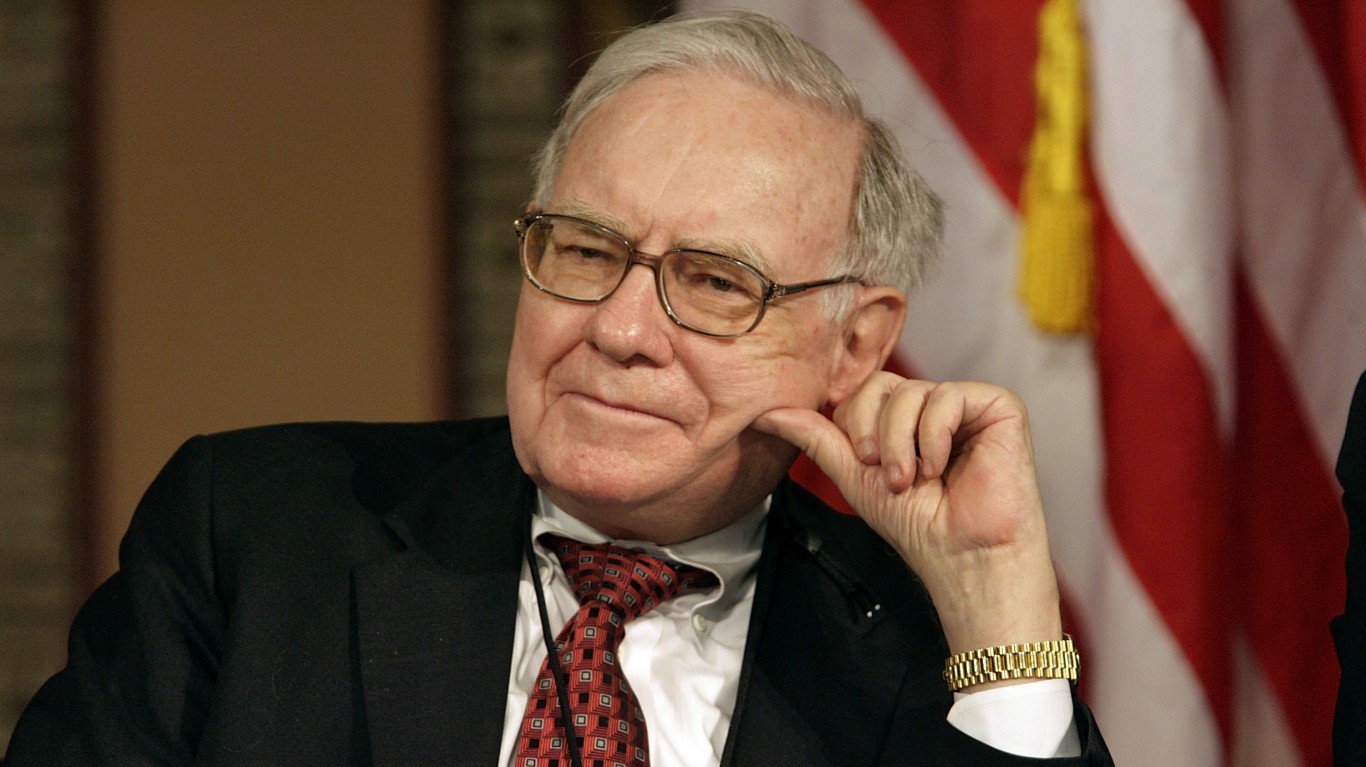
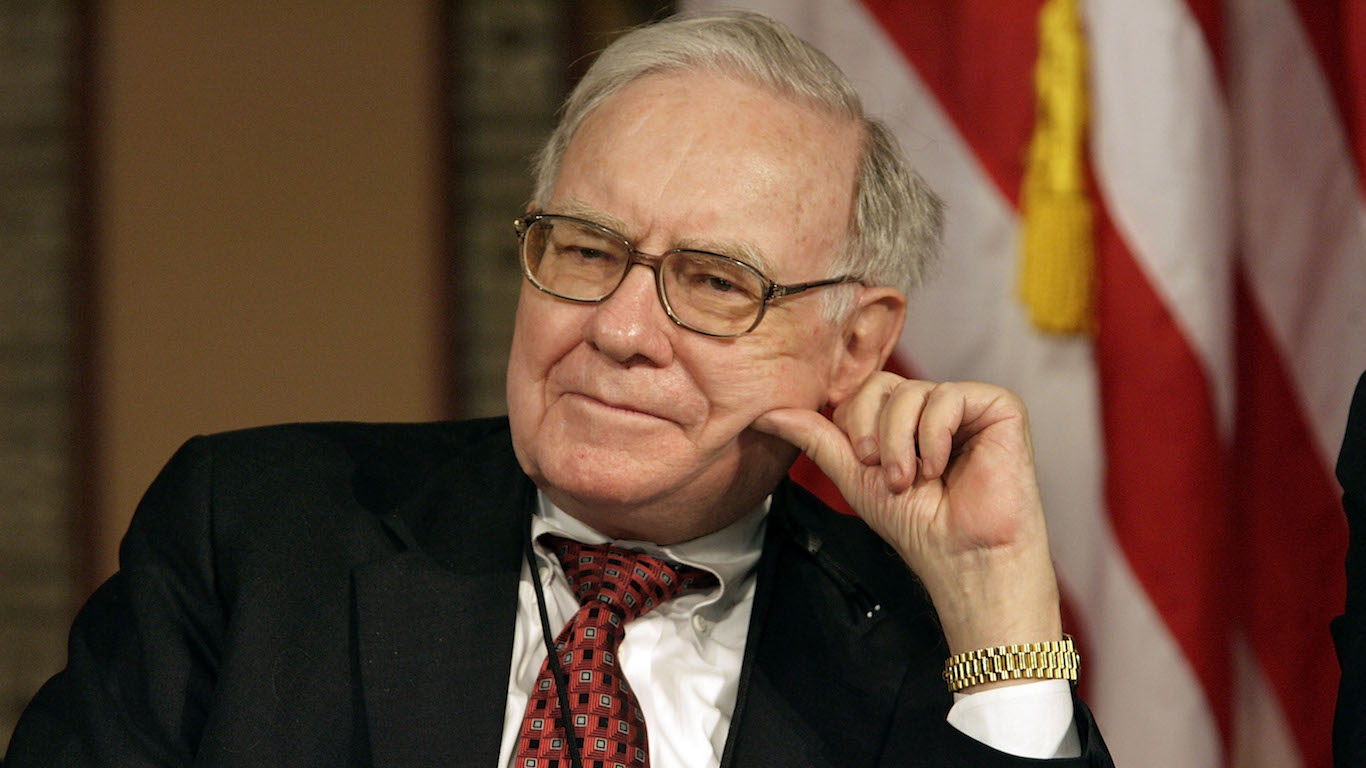
Warren Buffett stepped down as chief executive of Berkshire Hathaway (NYSE: BRK-B | BRK-B Price Prediction) on December 31, 2025, after six decades leading the conglomerate he transformed from a struggling textile mill into a $1 trillion empire. The “Oracle of Omaha” left his successor, Greg Abel, with a highly concentrated portfolio that underwent an aggressive strategy shift following recent regulatory filings. Abel, who has served as vice chair overseeing non-insurance operations, officially took over as CEO on January 1, 2026. At 95 years old, Buffett isn’t fully retiring—he will remain board chair and plans to continue coming to the Omaha headquarters as much as before. However, he has stated he will be “going quiet” and leaving all decision-making to Abel.
Longtime investors and Buffett mavens are familiar with this quote: “His favorite holding for an S&P 500 stock is forever.” While much more concentrated than most portfolio managers would consider, the strategy has evolved rapidly under new leadership, showing a distinct rebalancing away from historic holdings and toward communication and technology sectors.
Core positions that have been mainstays or rapidly growing areas in the portfolio emphasize stable income alongside massive enterprise scale. Investors like Buffett and Abel, seeking defensive businesses that capture durable consumer or digital infrastructure demand, look for market leaders with clear capital deployment advantages. The criteria for long-term equity allocations remain anchored in major requirements:
- Companies must maintain exceptional market capitalization for institutional liquidity.
- Their trading volume must demonstrate consistent institutional interest during quarterly rebalancings.
- They must exhibit strong competitive moats with resilient operating cash flows.
Why do we cover Berkshire Hathaway’s portfolio transitions?
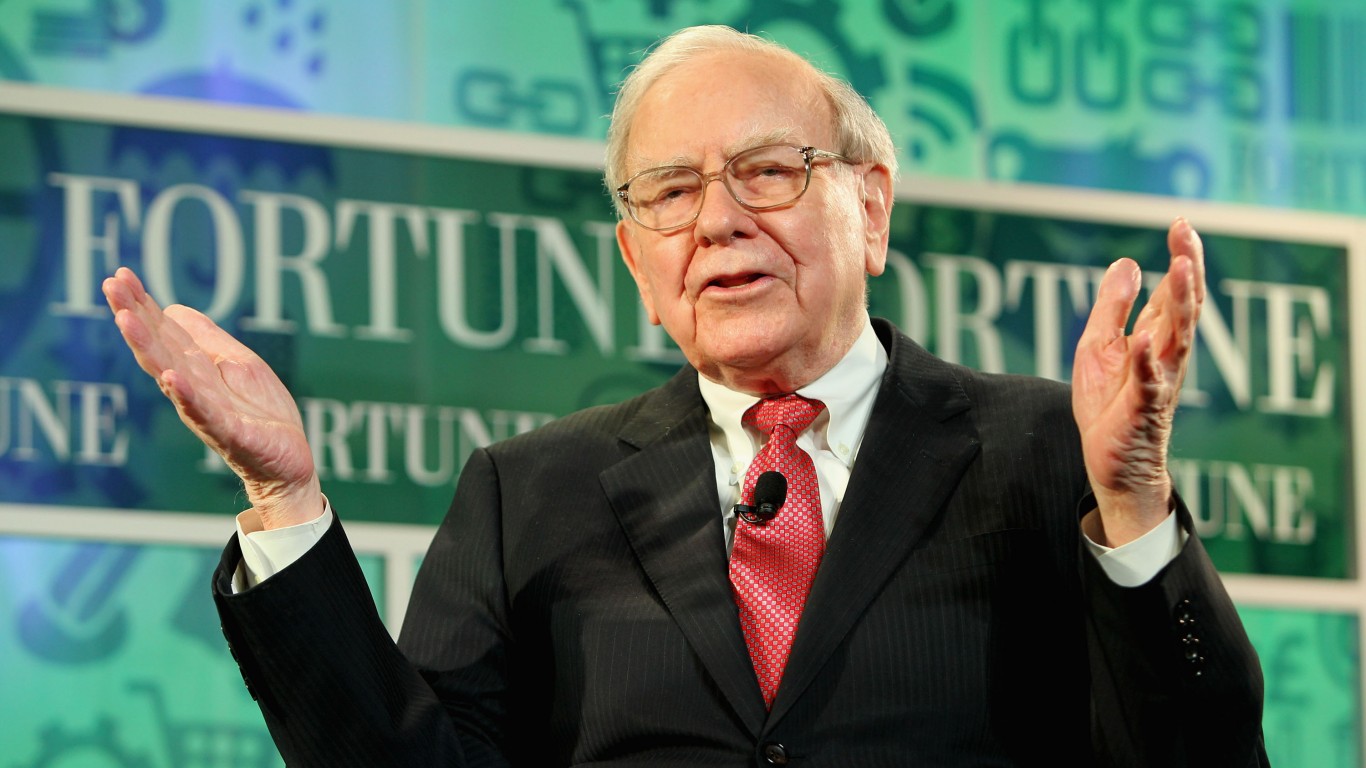
Few equity managers have the results and reputation that Berkshire has garnered over the past 60 years. While investing has evolved, holding deeply entrenched companies with products and services recognized worldwide remains a timeless approach. The portfolio has shifted decisively, highlighted by defensive consumer giants, adjusted energy holdings, and heavily expanded technology allocations.
Chevron
Chevron (NYSE: CVX) is an American multinational energy company primarily focused on oil and gas. This integrated giant is a safer option for investors looking to position themselves in the energy sector, and it pays a substantial 3.67% dividend, which was raised by 5% earlier this year. Chevron operates integrated energy and chemicals businesses worldwide through its subsidiaries. Following an aggressive reallocation strategy in the first quarter, Berkshire Hathaway significantly slashed its exposure by selling over 45 million shares, lowering its position to 84.37 million shares, which brings its portfolio weighting down to approximately 6.64%.
The company operates in two segments. The Upstream segment is involved in the following:
- Exploration, development, production, and transportation of crude oil and natural gas
- Processing, liquefaction, transportation, and regasification associated with liquefied natural gas
- Transportation of crude oil through pipelines and storage
- Marketing of natural gas, as well as operating a gas-to-liquids plant
The Downstream segment engages in:
- Refining crude oil into petroleum products
- Marketing crude oil, refined products, and lubricants
- Manufacturing and marketing renewable fuels
- Transporting crude oil and refined products by pipeline, marine vessel, motor equipment, and rail car
- Manufacturing and marketing of commodity petrochemicals, plastics for industrial uses, and fuel and lubricant additives
It also involves cash management, debt financing, insurance operations, real estate, and technology businesses.
Citigroup has a Buy rating with a $235 target price.
Coca-Cola
Coca-Cola (NYSE: KO) is an American multinational corporation founded in 1892. This company remains a top long-time holding of Berkshire and has been in the portfolio for 38 years. The firm maintains its massive historical allocation of 400 million shares, which totals 9.3% of the float and stands at a commanding 11.56% of the current equity portfolio. The stock pays a dependable 2.71% dividend.
Coca-Cola is the world’s largest beverage company, offering consumers more than 500 sparkling and still brands. Led by Coca-Cola, one of the world’s most valuable and recognizable brands, the company’s portfolio features 20 billion-dollar brands, including:
- Diet Coke
- Coca-Cola Light
- Coca-Cola Zero Sugar
- Caffeine-free Diet Coke
- Cherry Coke
- Fanta Orange
- Fanta Zero Orange
- Fanta Zero Sugar
- Fanta Apple
- Sprite
- Sprite Zero Sugar
- Simply Orange
- Simply Apple
- Simply Grapefruit
- Fresca
- Schweppes
- Dasani
- Fuze Tea
- Glacéau Smartwater
- Glacéau Vitaminwater
- Gold Peak
- Ice Dew
- Powerade
- Topo Chico
- Minute Maid
Globally, it is the top provider of sparkling beverages, ready-to-drink coffees, juices, and juice drinks. Through the world’s most extensive beverage distribution system, consumers in more than 200 countries enjoy the company’s beverages at a rate of over 1.9 billion servings per day. Remember that the company owns 19.5% of Monster Beverage (NASDAQ: MNST), which continues to deliver strong financial results.
UBS has a Buy rating and set a target price of $90.
Alphabet
Alphabet (NASDAQ: GOOGL) is an American multinational technology conglomerate that has quickly ascended to a top-tier position in Berkshire’s holdings following an aggressive portfolio overhaul under Greg Abel. During the first quarter, Berkshire tripled its existing stake in the Google parent company, increasing its position by over 203% to accumulate roughly 54.4 million shares. This rapid expansion places Alphabet firmly among Berkshire’s top ten largest equity investments, commanding 5.93% of the overall portfolio.
The company operates through Google Services, Google Cloud, and Other Bets segments. The Google Services segment encompasses core products and platforms that drive digital ad revenue, including:
- Google Search and institutional advertising networks
- YouTube advertising, subscriptions, and premium streaming offerings
- The Android operating system, hardware devices, and Google Play Store infrastructure
- Enterprise applications, maps, and consumer digital services
The Google Cloud segment provides secure enterprise infrastructure, data analytics, developer tools, and scalable software features. This unit is built directly on cutting-edge data architecture, high-performance computing, and rapidly expanding artificial intelligence tools for commercial clients globally.
The Other Bets segment includes early-stage technology businesses operating in healthcare, autonomous transportation networks, and venture equity structures.
Wall Street analysts remain highly optimistic, with major research firms maintaining consensus Buy ratings reflecting strong secular tailwinds in enterprise cloud computing and search monetization.
Editor’s Note: This article has been updated to reflect Berkshire Hathaway’s latest asset allocations following recent regulatory filings. The investment sections have been adjusted to detail a reduction in the Chevron equity position, the removal of older pharmaceutical holdings, and the addition of expanded tech equity allocations under current executive management.






 Top Gaining Stocks
 Top Losing Stocks