You May Not Be Able To Travel This Summer, At All
It's called a "staycation," and you may be stuck with one. You won't be alone. According to AAA, roughly 61.6 million people traveled by car more than 50 miles from home over the 2025 Fourth of July holiday period, the…


It’s called a “staycation,” and you may be stuck with one. You won’t be alone. According to AAA, roughly 61.6 million people traveled by car more than 50 miles from home over the 2025 Fourth of July holiday period, the highest road-travel volume ever recorded for that holiday. This summer, with gas prices at four-year highs, AAA still projected 61.4 million road travelers for the 2026 Independence Day window, nearly matching that record despite the sharply higher cost of every fill-up.
Gas Prices Are the First Barrier
Gasoline hit its summer peak in the third week of May 2026, when the national average for regular reached approximately $4.55 per gallon, according to AAA data. That was the highest weekly average of 2026 and more than $1.40 above year-ago levels. Since then, prices have retreated but remain elevated: by early August, the national average had fallen to around $4.08 per gallon, still about 30% higher than the same point in 2025. For a vehicle with a 15-gallon tank, that gap adds a meaningful sum to any road trip requiring multiple fill-ups.
The culprit is the ongoing disruption to the Strait of Hormuz, which normally carries roughly one-fifth of the world’s oil supply. The U.S.-Israel military campaign against Iran, which began in late February 2026, triggered an effective closure of the strait almost immediately, sending crude above $100 a barrel and gasoline surging more than 50% from pre-war levels. The situation has since cycled through partial reopening under a June ceasefire agreement, followed by renewed closure in early July after attacks on commercial vessels. As of early August, Iran and Oman are in talks about a designated shipping corridor, but traffic through the strait remains far below normal.
Lower-income households are bearing the heaviest burden. Bank of America reports that higher gasoline prices are stretching household budgets most severely at the lower end of the income scale. In March 2026, the median lower-income household spent 4.2% of its income on gasoline, up from 3.9% a year earlier.
Air Travel Has Become Both Scarcer and More Expensive
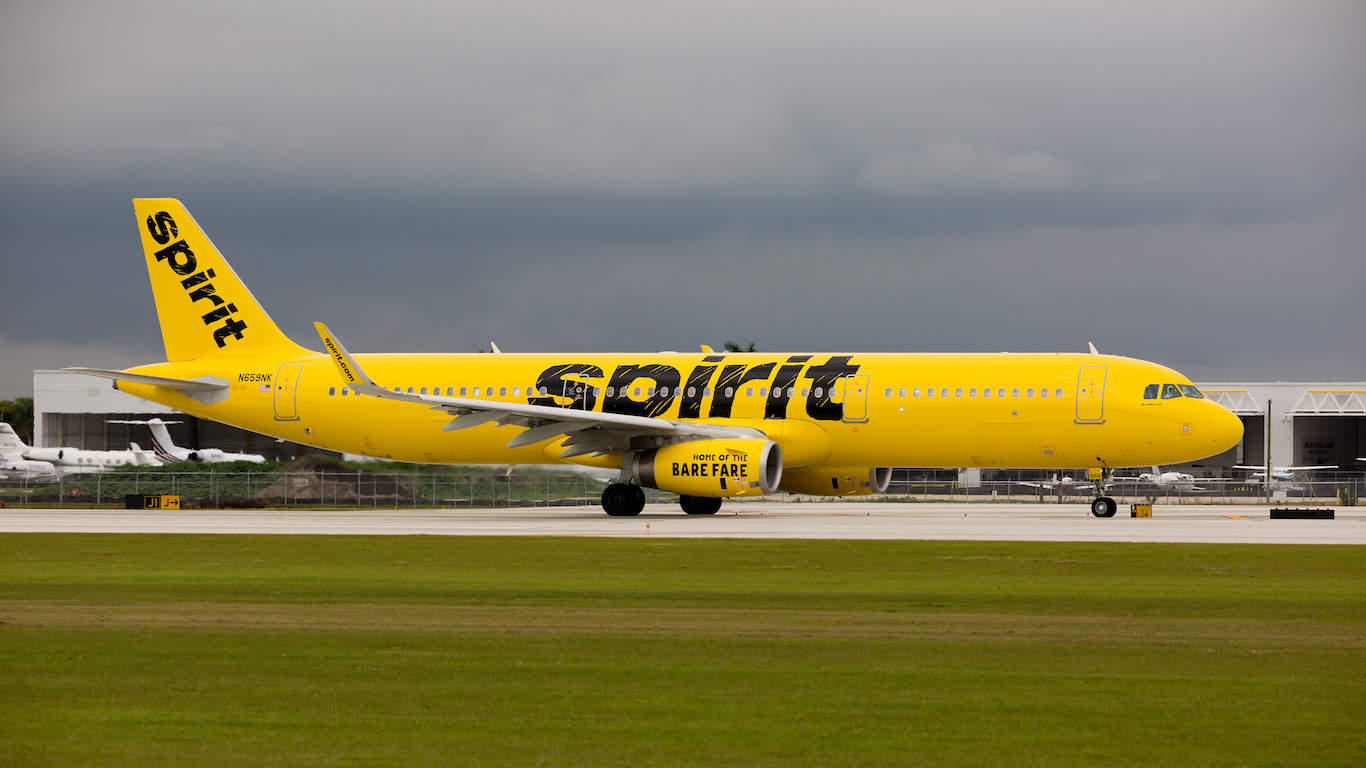
Flying is no longer just a pricier alternative to driving. It is a shrinking one. Jet fuel prices more than doubled after the Iran conflict began, and airlines worldwide responded by slashing capacity. According to aviation analytics firm Cirium, carriers removed approximately 2 million seats from global schedules in May 2026 alone. United Airlines trimmed its previously planned schedule by about 5%, canceling more than 23,500 domestic flights during the critical July travel period. Delta cut its own capacity by roughly 3.5%. In Europe, Lufthansa pulled 20,000 short-haul flights through October, and KLM and Cathay Pacific also reduced service. The most dramatic casualty: budget carrier Spirit Airlines permanently ceased operations on May 2, 2026, with its CEO citing “the sudden and sustained rise in fuel prices” as the decisive blow. Spirit’s exit removed a major source of low-cost competition from dozens of domestic routes.
The airfare data reflects all of this. The Consumer Price Index showed airline fares were up 20.7% year over year in April 2026. Broad industry data from mid-2026 puts the average fare increase at roughly 20% above 2025 levels, with international routes to Europe up around that same figure and some peak domestic corridors running even higher. A round trip that cost a few hundred dollars in early 2026 now runs significantly more, and on some thinner routes, the flight itself may no longer exist.
Europe Faces Its Own Jet Fuel Problem
Europe is particularly exposed because the continent relies heavily on Middle Eastern jet fuel imports. Over 20% of global seaborne jet fuel supply passed through the Strait of Hormuz last year, with roughly two-thirds of that product destined for Europe. In late April, IEA head Fatih Birol warned that Europe had roughly six weeks of jet fuel reserves remaining. A Goldman Sachs analysis projected that European jet fuel inventories could fall below the IEA’s critical 23-day shortage threshold sometime in June. Some major carriers, including Lufthansa and Ryanair, subsequently said they had secured alternative supply sources and did not expect large-scale summer cancellations. Fuel costs, however, remain far above pre-war levels, and travelers should expect higher fares, fewer short-haul options, and the possibility of last-minute schedule changes.
Inflation Is Squeezing Every Dollar
The most recent BLS CPI report, covering June 2026, showed the annual inflation rate at 3.5%, a pullback from 4.2% in May as falling gasoline and energy costs provided relief. The energy index fell 5.7% for the month alone, its steepest single-month drop since April 2020, but on a 12-month basis energy prices still stand 15.7% above year-ago levels. Gasoline prices, despite their monthly retreat, remained 26.7% higher than a year earlier. Airfares added another layer of pressure, climbing roughly 20% annually.
The June report also brought some rare good news: the easing of energy costs helped offset persistent increases in shelter and food. But for workers, the cushion is thin. Real average hourly wages fell 0.5% in April and were down 0.3% on an annual basis, the first annual decline in purchasing power since April 2023. In practical terms, paychecks are not keeping pace with what it costs to drive to work, let alone take a vacation.
The Wider Economic Risk
Lower travel volumes carry consequences far beyond the travel industry itself. Consumer spending accounts for roughly 68% of U.S. GDP. When households feel financially squeezed, discretionary spending is the first casualty, and summer travel sits near the top of that category. That pullback, compounded across millions of families, creates a meaningful drag on the broader economy and raises the risk of a slowdown heading into the second half of 2026. Whether gas prices continue to ease as Hormuz negotiations progress, or rebound if talks collapse again, will go a long way toward determining how much of that risk materializes.
Editor’s note: This article was updated to reflect the summer gas-price arc from the May 2026 peak of approximately $4.55 per gallon to approximately $4.08 per gallon by early August, a 30% year-over-year gain; the June 2026 BLS CPI showing annual inflation eased to 3.5% with gasoline still up 26.7% year over year and energy up 15.7%; the volatile status of Strait of Hormuz shipping, which moved through a June ceasefire reopening and a renewed effective closure in July; Delta’s roughly 3.5% capacity cut added alongside United’s 5% reduction; and AAA’s 2026 Fourth of July projection of 61.4 million road travelers, nearly matching the 2025 record despite four-year-high pump prices.
Contact [email protected] for any questions or corrections.
Douglas A. McIntyre is the co-founder, chief executive officer and editor in chief of 24/7 Wall St. and 24/7 Tempo. He has held these jobs since 2006.
McIntyre has written thousands of articles for 24/7 Wall St. He is an expert on corporate finance, the automotive industry, media companies and international finance. He has edited articles on national demographics, sports, personal income and travel.
His work has been quoted or mentioned in The New York Times, The Wall Street Journal, Los Angeles Times, The Washington Post, NBC News, Time, The New Yorker, HuffPost USA Today, Business Insider, Yahoo, AOL, MarketWatch, The Atlantic, Bloomberg, New York Post, Chicago Tribune, Forbes, The Guardian and many other major publications. McIntyre has been a guest on CNBC, the BBC and television and radio stations across the country.
A magna cum laude graduate of Harvard College, McIntyre also was president of The Harvard Advocate. Founded in 1866, the Advocate is the oldest college publication in the United States.
TheStreet.com, Comps.com and Edgar Online are some of the public companies for which McIntyre served on the board of directors. He was a Vicinity Corporation board member when the company was sold to Microsoft in 2002. He served on the audit committees of some of these companies.
McIntyre has been the CEO of FutureSource, a provider of trading terminals and news to commodities and futures traders. He was president of Switchboard, the online phone directory company. He served as chairman and CEO of On2 Technologies, the video compression company that provided video compression software for Adobe’s Flash. Google bought On2 in 2009.