The Fed’s Worst-Case Scenario Is Quietly Unfolding
The April inflation report landed with a number the Federal Reserve hoped it would never have to explain again. Consumer prices rose 3.8% year over year, the highest reading since May 2023 and a sharp jump from March's 3.3%. Since…

The April inflation report landed with a number the Federal Reserve hoped it would never have to explain again. Consumer prices rose 3.8% year over year, the highest reading since May 2023 and a sharp jump from March’s 3.3%. Since then, the May CPI came in even hotter: up 4.2% over the prior year, the fastest pace in more than three years, as the energy shock shows no sign of fading.
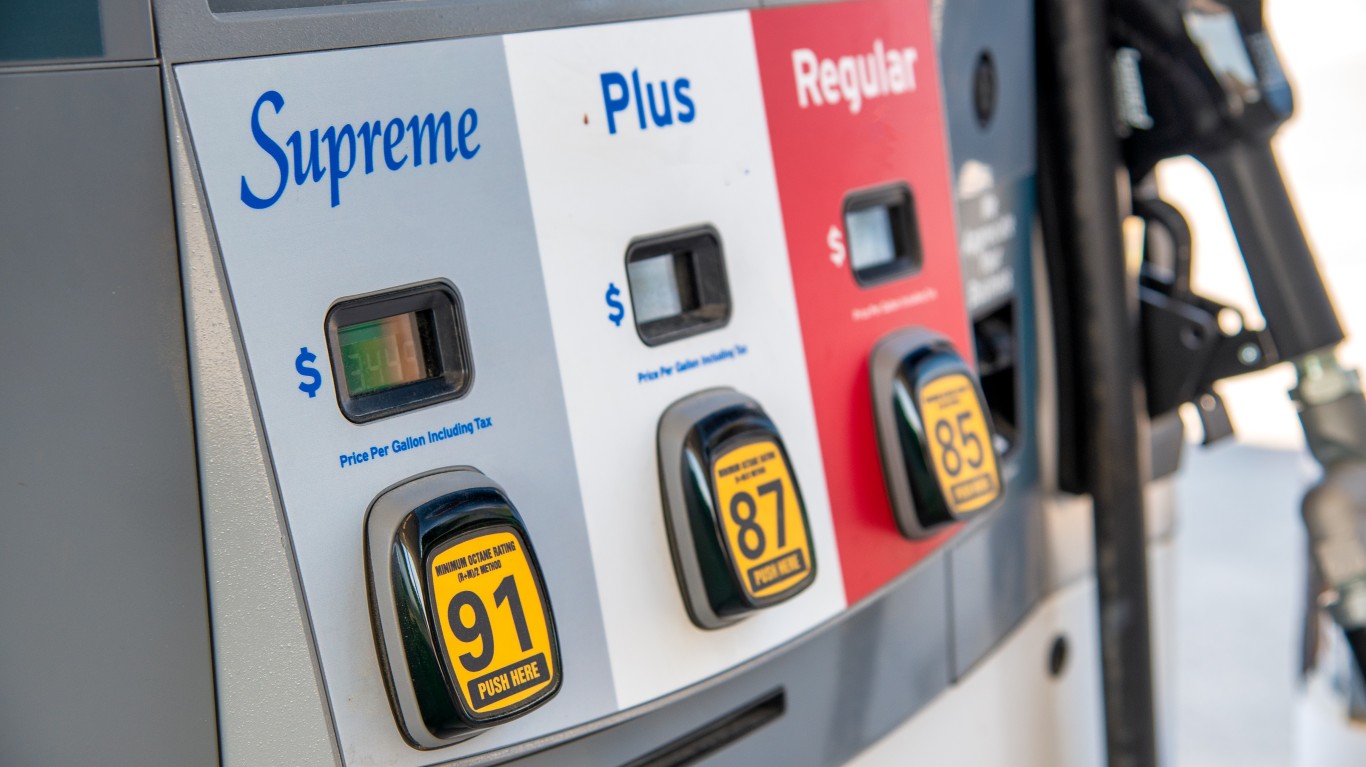
Energy did most of the initial damage. Gasoline surged 21% in March, the biggest monthly increase in data going back to 1967, and energy accounted for more than 40% of April’s CPI rise. WTI crude, which spiked to $114.58 on April 7, has pulled back to around $85 a barrel in mid-June as reports of a possible US-Iran peace agreement circulate, though traders remain cautious about whether a deal will hold. The Iran war shock is now embedded in the broader price level.
The Fed’s Bind Is No Longer Theoretical
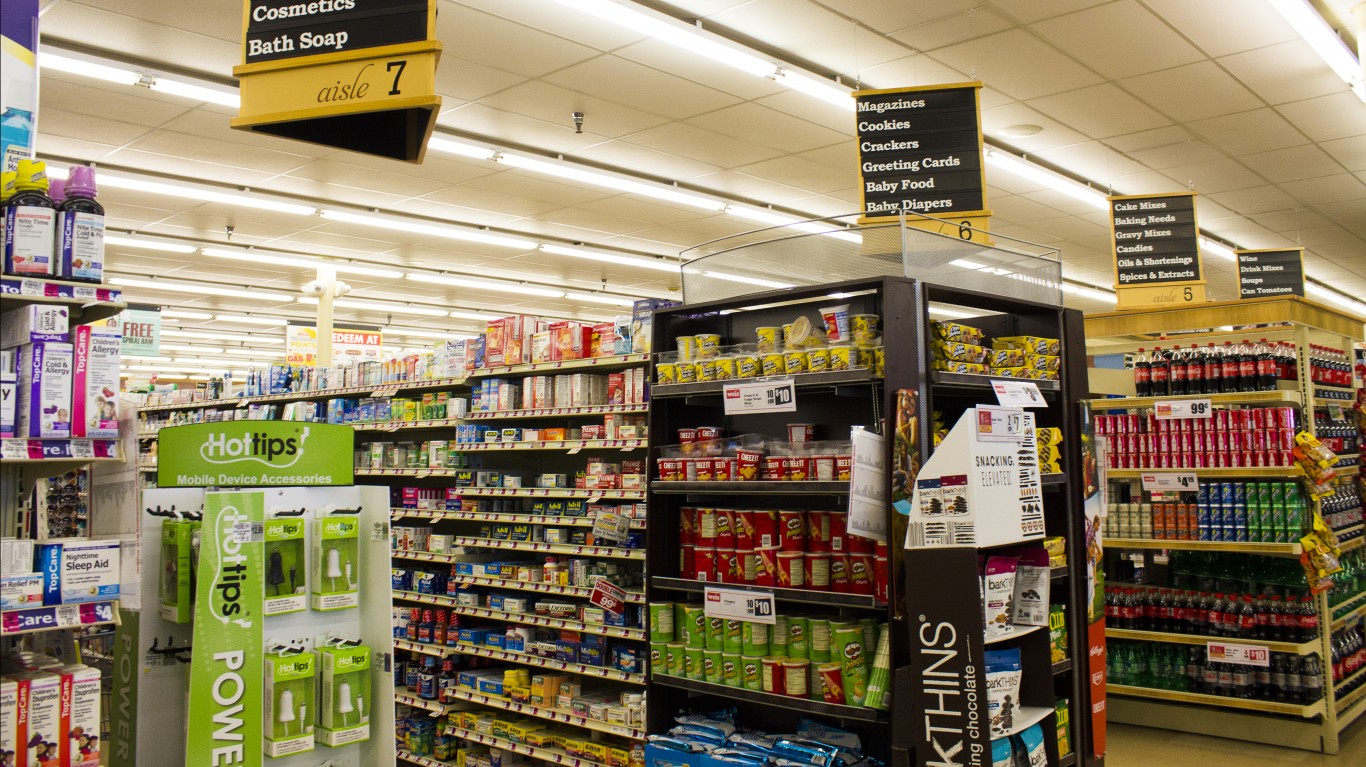
This is the scenario the Fed has quietly been dreading. Inflation has run above the 2% target for five straight years, and core CPI is accelerating on its own: 2.8% year over year in April, up from 2.6% in March, with the monthly reading doubling to 0.4%. The energy shock is bleeding into everything else. Grocery prices rose 0.5% in April, restaurants 0.7%, airfares 2.8%, among the biggest monthly surges in those categories since late 2025. Beef alone is up 14.8% over the past year. And real average hourly wages slipped 0.5% for the month and fell 0.3% annually, meaning workers are losing ground even as prices climb.
One caveat: shelter prices rose 0.6% in April, up from 0.3%, but that reflects a statistical distortion. Last year’s government shutdown compressed a year’s worth of rent-survey updates into a six-month window, creating an outsized print. Underlying housing dynamics are largely unchanged.
The labor market gives the Fed no room to maneuver. Unemployment held at 4.3% in May, unchanged for several months, while the economy added 172,000 jobs, more than double the 85,000 economists had expected. Q1 GDP came in at 2.0% annualized. Retail sales hit $752.1B in March, up 2.4% on the month. The Fed has held the funds rate at a target range of 3.50% to 3.75% across three consecutive meetings in January, March, and April 2026, after cutting 75 basis points over the prior three months. It cannot cut without re-igniting inflation, and it cannot hold indefinitely without crushing what remains of lower-income consumer spending.
The question of who steers monetary policy through this bind is now settled. Kevin Warsh was sworn in as the 17th chair of the Federal Reserve on May 22, 2026, replacing Jerome Powell. Warsh inherits a deeply divided committee: the April FOMC meeting produced four dissents, the most fractured vote since 1992, with some members pushing for a formal two-sided policy statement that would keep rate hikes explicitly on the table. Markets currently assign less than a 10% probability to any rate move at all in 2026.
Contact [email protected] for any questions or corrections.
Don Lair writes about options income, dividend strategy, and the kind of boring-but-durable investing that actually funds retirement. He's the founder of FITools.com, an independent contributor to 24/7 Wall St., and a former writer for The Motley Fool.