The Buffett Paradox: Why the World’s Greatest Stock Picker Tells You Not to Pick Stocks
On the recent Vanguard episode of the Acquired podcast, hosts Ben Gilbert and David Rosenthal returned to one of investing’s most enduring paradoxes. The greatest active stock picker of the modern era has spent decades telling ordinary investors not to…

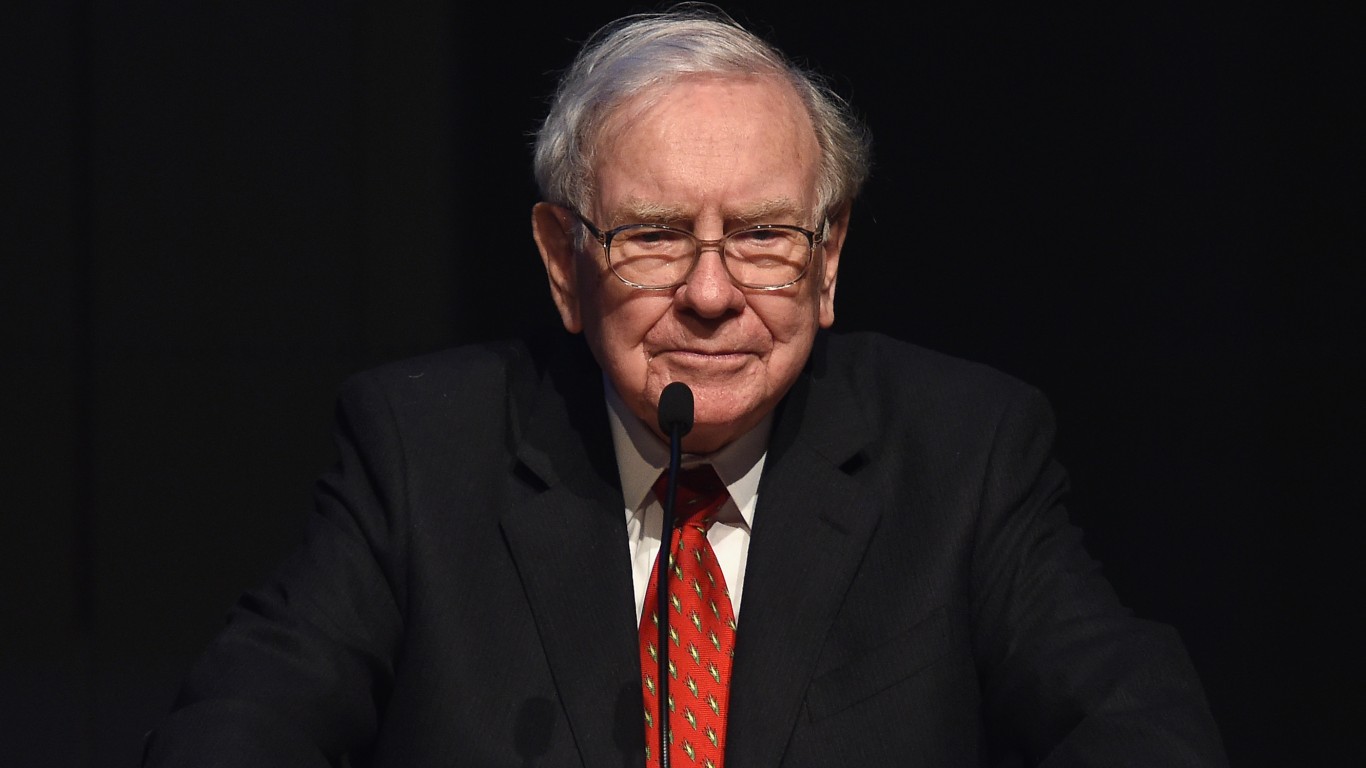
On the recent Vanguard episode of the Acquired podcast, hosts Ben Gilbert and David Rosenthal returned to one of investing’s most enduring paradoxes. The greatest active stock picker of the modern era has spent decades telling ordinary investors not to try to be him. Warren Buffett wrote in Berkshire Hathaway’s 1996 shareholder letter that “the best way to own common stocks is through an index fund that charges minimal fees. Those following this path are sure to beat the net results delivered by the great majority of investment professionals.”
That endorsement helped legitimize passive investing for a generation. Yet the man who wrote it has built the single most powerful counterexample to his own advice.
The Gap Between the Rule and the Exception
Gilbert laid out the math on the show. From 1965 to 2025, the S&P 500 delivered roughly a 10% compound annual growth rate, turning a dollar into about 405 dollars with dividends reinvested. Berkshire compounded at roughly 19% over the same 60 years, a 39,000x return. That gap compounds into the difference between comfortable retirement and dynastic wealth.
Berkshire Hathaway (NYSE:BRK-B | BRK-B Price Prediction) today trades at $479.98, a 5.33% decline over the past year while the broader market climbed. The conglomerate carries a trailing P/E of 14, a beta of 0.622, and $375.4 billion in trailing revenue. Insider activity has tilted toward succession, with Gregory Abel acquiring 18 Class A shares on March 4, 2026 at prices ranging from $725,210 to $733,300. The post-Buffett era is being built in plain sight.
Rosenthal called Berkshire “the Vanguard of private equity funds” because shareholders pay no management fee and no carry. The compounding engine runs unburdened by the layers of cost that erode most actively managed vehicles. Rosenthal also mentioned a personal connection: his grandparents were among Vanguard’s earliest clients in the late 1970s or early 1980s, likely before the fund reached $100 million in assets, simply because it was a local Pennsylvania company.
What Buffett Actually Owns Tells the Story
The clearest illustration of Buffett’s philosophy sits inside Berkshire’s own portfolio. Coca-Cola (NYSE:KO), held since 1988, just reported Q1 2026 EPS of $0.86 against an $0.81 estimate with revenue of $12.47 billion, up 12.07% year over year. Operating margin expanded to 35.0% from 32.9%. The company paid $8.8 billion in dividends during 2025, marking its 63rd consecutive year of increases, and the quarterly payout has risen from $0.485 in 2024 to $0.53 in 2026. That filing is available in Coca-Cola’s Q1 2026 8-K.
Coca-Cola shares have returned 152.6% over the past decade and 16.9% year to date. New CEO Henrique Braun inherits a franchise with a 43.4% return on equity and pricing power most operators only dream about. That is the kind of business Buffett spent six decades identifying and holding.
Why the Index Recommendation Still Stands
The SPDR S&P 500 ETF (NYSEARCA:SPY) charges 9.45 basis points annually and has returned 261.93% over the past ten years and 27.43% over the past twelve months. Its top three holdings, NVIDIA, Apple, and Microsoft, account for roughly 19% of assets, with Berkshire itself sitting at 1.57% of the fund. The investor who follows Buffett’s 1996 advice ends up owning a small slice of his life’s work alongside the rest of corporate America.
The paradox resolves cleanly when stated plainly. Identifying a future Buffett before the fact is roughly as hard as becoming one. The honest counsel from someone who pulled it off is that most investors should not try. The 39,000x return is a monument to what was possible. The index fund recommendation is a guide to what is probable. Both can be true, and Buffett built his legacy by telling investors exactly that.
Contact [email protected] for any questions or corrections.
Don Lair writes about options income, dividend strategy, and the kind of boring-but-durable investing that actually funds retirement. He's the founder of FITools.com, an independent contributor to 24/7 Wall St., and a former writer for The Motley Fool.