The Ghost of Dow 36,000
In the fall of 1999, two writers walked into bookstores with a hardcover called “Dow 36,000: The New Strategy for Profiting From the Coming Rise in the Stock Market.” The Dow was hovering just above 10,000. The book’s “best guess”…


In the fall of 1999, two writers walked into bookstores with a hardcover called “Dow 36,000: The New Strategy for Profiting From the Coming Rise in the Stock Market.” The Dow was hovering just above 10,000. The book’s “best guess” was that the index would more than triple within three to five years.
It did not.
The dot-com crash arrived a few months later. The book became, in the words of the Washington Post, “perhaps the most spectacularly wrong investing book ever.” Then on November 2, 2021, the Dow finally closed at 36,052.63. Twenty-two years and one month after publication, the title was technically right. And on February 6, 2026, the same index blew through 50,000.
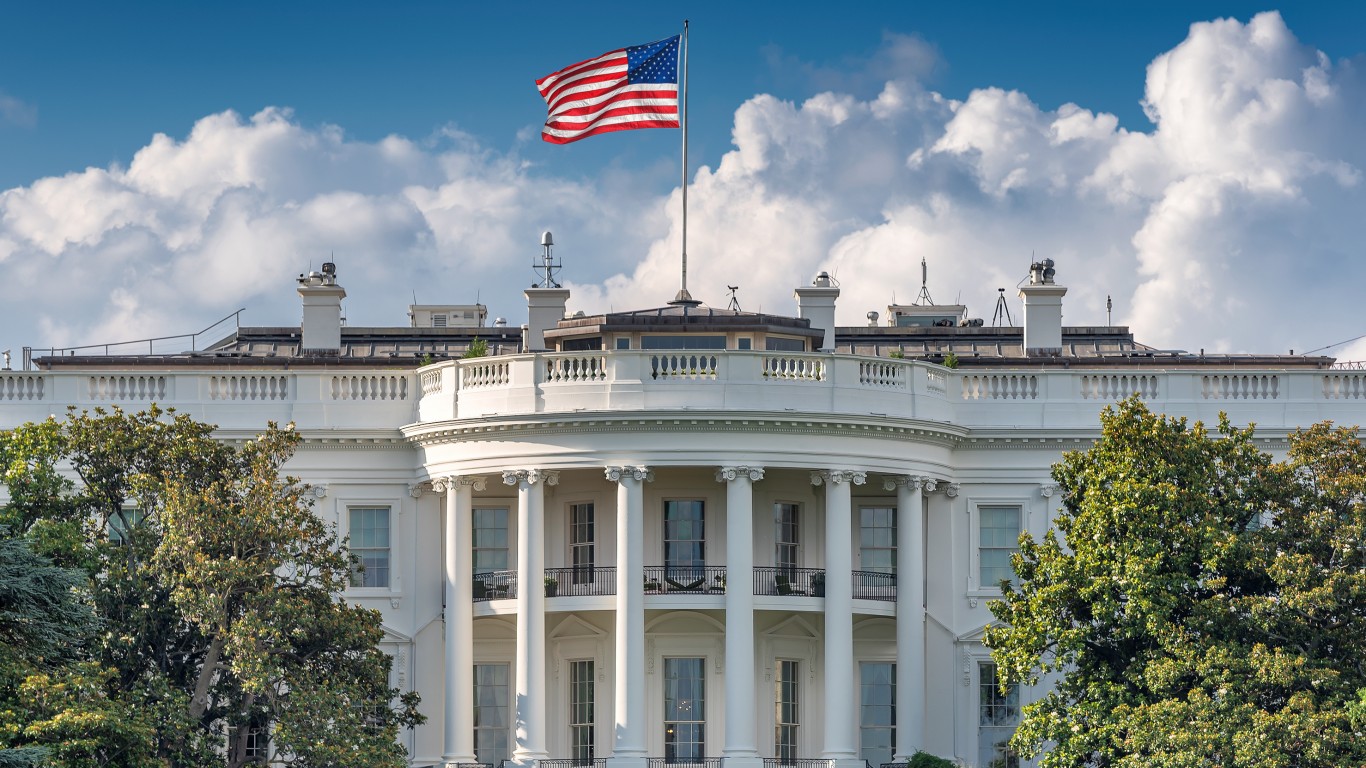
One of the two writers is now running economic policy at the White House.
The math everyone said was crazy
The authors were James Glassman, a Washington Post columnist at the time, and Kevin Hassett, a former Federal Reserve economist who had moved to the American Enterprise Institute. Their argument was that investors had been demanding too much extra return from stocks compared to bonds, and that as the gap closed, share prices would have to rise dramatically. The math, by their reckoning, pointed to a Dow about four times higher than where it was sitting.
In the January 2000 issue of The Atlantic, the authors bet a critic that if the Dow were below 23,000 ten years later, they would each donate $1,000 to charity. They lost. In early 2010, they each sent $1,000 to the Salvation Army. The Dow did not actually close above 23,000 until October 18, 2017.
The number eventually showed up
On Tuesday, November 2, 2021, the Dow closed at 36,052.63 for the first time. The number on the cover was right. Almost everything underneath it was not. The gap between stock and bond returns that the authors expected to close did not close. Corporate earnings did not quadruple in five years.
But the index hit the number, and that has the strange effect of making a famously wrong call retroactively look prescient. Harvard economist Kenneth Rogoff wrote a Wall Street Journal op-ed in September 2021 titled “Why the Dow 36000 Forecast Was Right.” In an interview after the milestone, Glassman said he had no regrets about the title.
Where they sit today
Glassman ran public diplomacy at the State Department under George W. Bush and now runs a public affairs consulting firm. Hassett’s path has been bigger. He chaired the Council of Economic Advisers in the first Trump administration from 2017 to 2019, returned in 2020 to advise on the pandemic response, and was named Director of the National Economic Council in the second Trump administration starting January 20, 2025.
In late 2025, his name surfaced repeatedly as a possible successor to Jerome Powell as Federal Reserve Chair. On January 30, 2026, the president nominated former Fed governor Kevin Warsh instead. Hassett stayed at the National Economic Council.
So Hassett is in the West Wing, sitting next to the president, the week the Dow crosses 50,000.
The next number on the cover
Two days after the February 6 close at 50,115.67, President Trump predicted the Dow would double by 2029, crediting his tariffs for the move to 50,000. That would put it at roughly 100,000 by the end of his term.
It is a bigger call than Dow 36,000 was in 1999. To get there in just under four years would require an annualized gain of about 19%, well above the index’s long-run average. Glassman and Hassett’s original mistake was not predicting a big number. It was predicting a fast one. Twenty-two years later, the math caught up.
Whether the new prediction joins the original on the punchline shelf, or quietly hits the cover price a decade or two late, will probably be settled the same way Dow 36,000 was. Not by being right. By waiting long enough.
Contact [email protected] for any questions or corrections.
Don Lair writes about options income, dividend strategy, and the kind of boring-but-durable investing that actually funds retirement. He's the founder of FITools.com, an independent contributor to 24/7 Wall St., and a former writer for The Motley Fool.