Elizabeth Warren Branded Kevin Warsh Trump’s ‘Sock Puppet.’ His First Fed Meeting May Prove Her Wrong
Few things move markets more than interest rates. Lower rates can boost stock prices, support home sales, and make borrowing cheaper. Higher rates do the opposite. That’s why investors spend so much time trying to figure out what the Federal…

Few things move markets more than interest rates. Lower rates can boost stock prices, support home sales, and make borrowing cheaper. Higher rates do the opposite. That’s why investors spend so much time trying to figure out what the Federal Reserve will do next.
But when the person expected to lead the Fed was chosen largely because he was seen as someone who would cut rates and is confronted with a deteriorating economic backdrop, it changes the calculus.
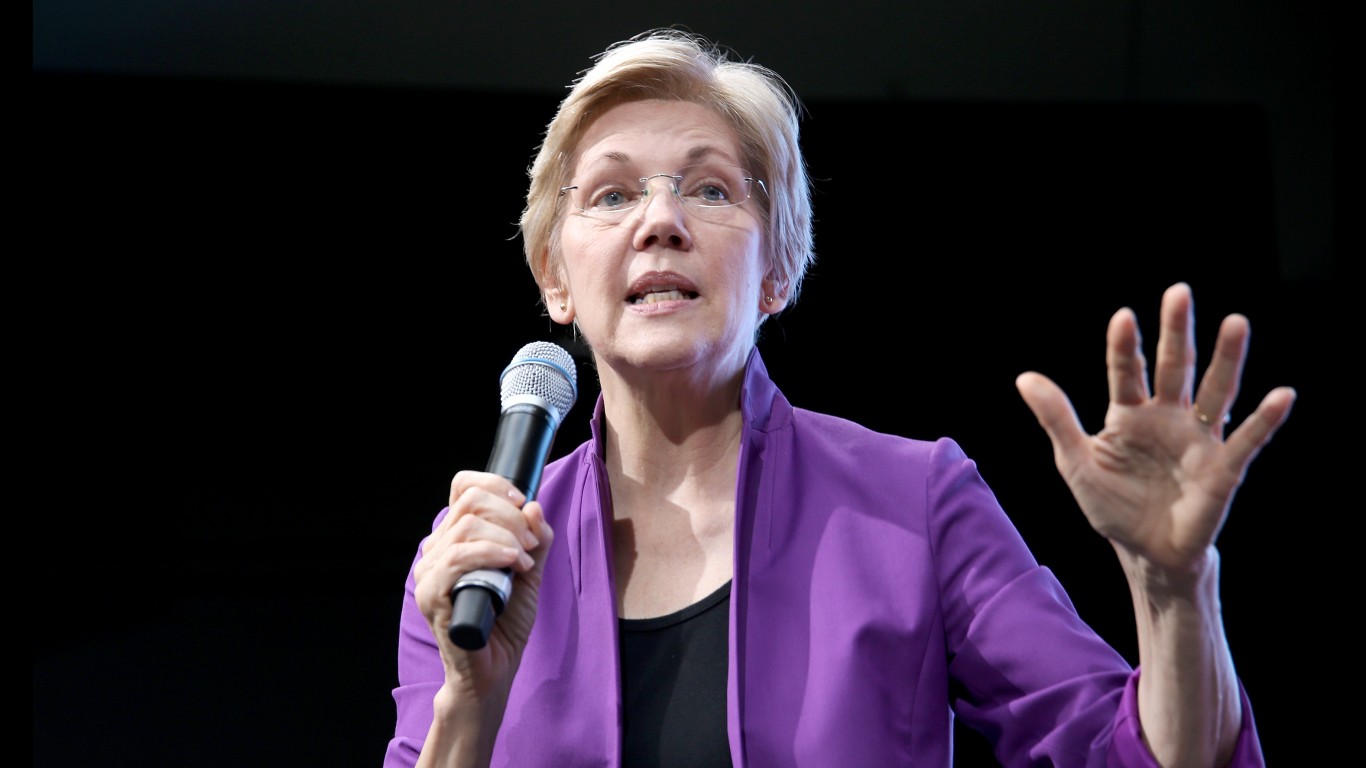
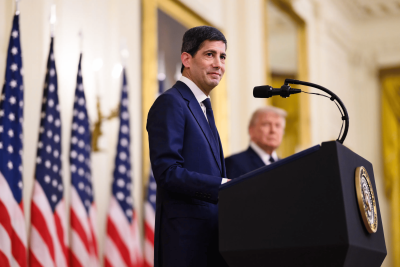
That’s the situation facing Kevin Warsh. When President Trump nominated him to chair the Federal Reserve, many observers assumed he would be more willing than his predecessor to lower interest rates. Sen. Elizabeth Warren didn’t mince words, repeatedly branding Warsh a “sock puppet” for Trump during Senate testimony and in public remarks, arguing he would simply carry out the president’s wishes.
The problem with that theory is that the economy Warsh was nominated to oversee no longer looks quite the same.
Why Warren’s Criticism Resonated
Trump has made no secret of his preference for lower interest rates. Throughout both of his terms, he has frequently argued that the Fed kept rates too high and has tried publicly pressuring central bank officials to ease monetary policy.
That history gave Warren an opening. If Trump wanted lower rates and Warsh was Trump’s choice, critics reasoned that the new Fed chair would eventually deliver the cuts the president wanted.
Granted, the concern wasn’t entirely unfounded. Federal Reserve independence is one of the cornerstones of modern monetary policy. Investors want confidence that rate decisions are based on economic data, not political pressure.
Yet the assumption that Warsh would automatically slash rates overlooks a basic reality: Fed chairs don’t govern in a vacuum. They respond to incoming data. And lately, the data have become more complicated.
Inflation Is Making the Fed’s Job Harder
When Warsh emerged as a leading candidate for the Fed’s top job, many economists expected inflation to continue moderating toward the central bank’s 2% target. Instead, inflation pressures have proven more stubborn.
The Consumer Price Index rose to 3.8% in April from March’s 3.3% print. At the same time, tariff-related price increases and resilient consumer spending have complicated the outlook.
That matters because cutting rates while inflation remains elevated risks reigniting price pressures. If inflation is running above target and economic growth remains healthy, lowering rates could pour more fuel onto a fire the Fed has spent years trying to extinguish.
Surprisingly, that could leave Warsh taking a position that looks far less aligned with Trump’s public preference than many expected when he was nominated. In fact, the Fed’s credibility with Wall Street and Main St. may be a higher priority. The odds the Fed actually raises rates are growing.
The Real Test Is Still Ahead
Warren calling Warsh a sock puppet is a great soundbite. But it’s his actions that will determine their truth. So far, the evidence is incomplete. Markets will be watching inflation data, employment reports, and economic growth figures far more closely than political rhetoric.
That said, Warsh will soon face his first major test. If inflation keeps rising and he chooses to keep rates steady despite pressure from the White House, Warren’s criticism will lose much of its force.
Key Takeaway
In short, Kevin Warsh was widely viewed as Trump’s choice to deliver lower interest rates. But the economy has changed since his nomination and the Fed’s mandate hasn’t changed with the political calendar.
Investors should focus less on the nickname and more on the data. If Warsh prioritizes inflation control over rate cuts in coming meetings, he may end up proving that the person many expected to be Trump’s most reliable ally at the Fed is willing to chart his own course.
Contact [email protected] for any questions or corrections.
After two decades of patrolling the dark corners of suburbia as a police officer, Rich Duprey hung up his badge and gun to begin writing full time about stocks and investing. For the past 20 years, he’s been cruising the markets looking for companies to lock up as long-term holdings in a portfolio while writing extensively on the broad sectors of consumer goods, technology, and industrials. Because his experience isn’t from the typical financial analyst track, Rich is able to break down complex topics into understandable and useful action points for the average investor. His writings have appeared on The Motley Fool, InvestorPlace, Yahoo! Finance, Money Morning, and, of course, 24/7 Wall St. He has been featured in both U.S. and international publications, including MarketWatch, Financial Times, Forbes, Fast Company, and USA Today.