What to Expect From Trump’s Tariff Dividends in 2026
As Americans usher in 2026, they are met with a one-two punch of economic inflation and escalating geopolitical tensions. As a result, President Trump’s proposed $2,000 tariff-funded stimulus checks, sometimes referred to as tariff dividends, couldn’t come too soon. Many…

This post may contain links from our sponsors and affiliates, and Flywheel Publishing may receive compensation for actions taken through them.

As Americans usher in 2026, they are met with a one-two punch of economic inflation and escalating geopolitical tensions. As a result, President Trump’s proposed $2,000 tariff-funded stimulus checks, sometimes referred to as tariff dividends, couldn’t come too soon. Many households are eagerly awaiting economic relief, especially after the holiday season drained savings for many consumers. But with Congress now fixated on Venezuela, the path forward is anything but straightforward.
Unlike stock dividends, which follow predictable schedules and payout rules, these government-backed payments come with no formal blueprint. With no legislation in place yet, Americans are left watching policy signals, headlines and market sentiment for clues about when or if their share of the stimulus pie might arrive.
The idea traces back to President Trump’s promise to return a sizeable portion of tariff revenue to middle-class Americans in the form of cash payments. While the proposal has yet to be signed into law, White House officials have continued to signal their intent to move it forward. Here’s what we know so far and what Americans should realistically expect from tariff dividends in 2026.
Who Gets Paid and Who Doesn’t?
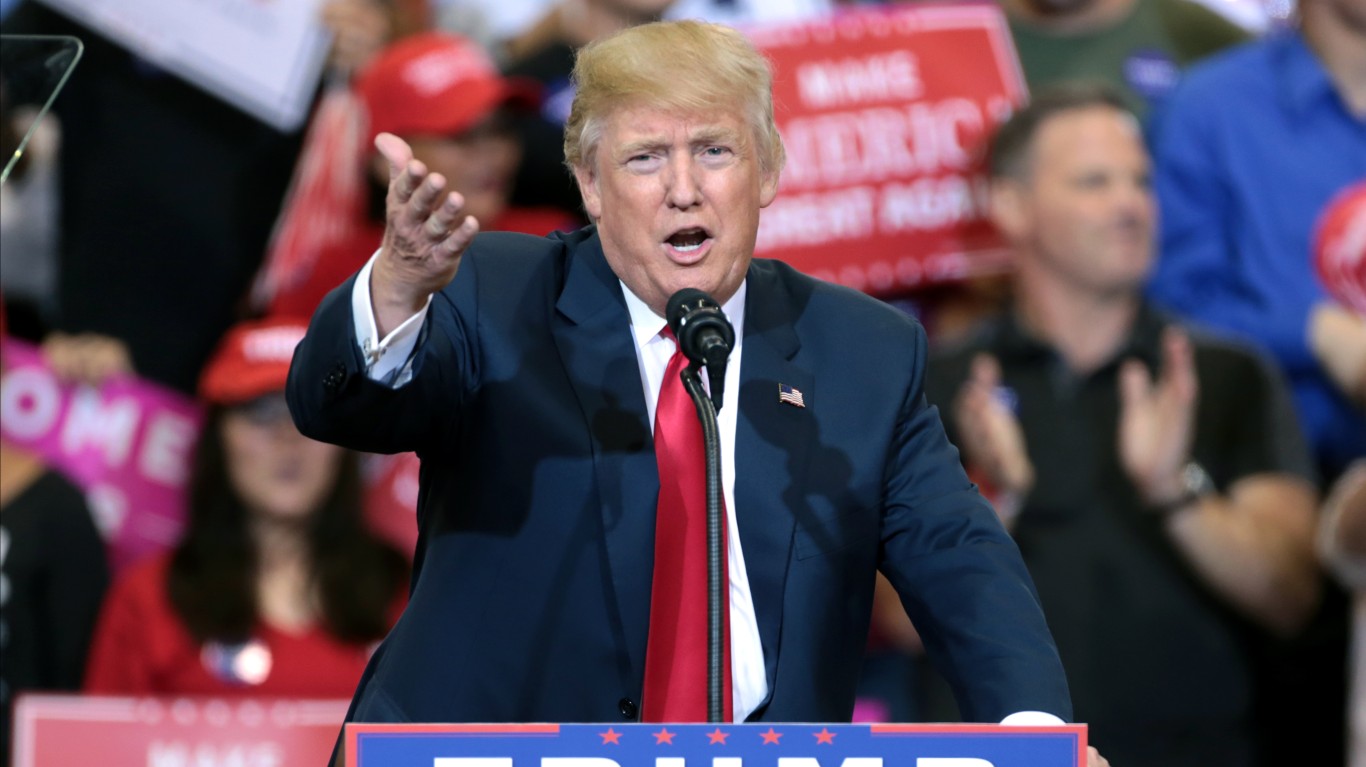
Right now, details on who qualifies for these proposed $2,000 tariff dividends are pretty thin considering legislation has yet to materialize. Based on comments from President Trump and the administration, checks are aimed at helping everyday Americans cope with higher costs from inflation, with a focus on middle-class and lower-income households. Last year, President Trump posted, “A dividend of at least $2,000 a person (not including high-income people!) will be paid to everyone.”
Additionally, Treasury Secretary Scott Bessent has reportedly mentioned rebates targeted at “families making less than, say, $100,000,” which could serve as a rough benchmark for eligibility, leaving out more than just the 1%. That might mean full amounts for those below that threshold, though it’s unclear if it applies to individuals or just families, or if there’d be phase-outs similar to past programs.
According to the latest reports, the U.S. government raked in close to $200 billion in tariff revenue last year, which in addition to paying Americans would be directed toward slashing the national debt from the country’s balance sheet. President Trump has also alluded to the fact that 2026 is shaping up to be the “largest tax refund season ever,” suggesting the tariff tally from trade partners could extend into the trillions of dollars.
When the Money Could Arrive
The rollout of these tariff dividends is anyone’s guess, hinging on Congress stepping up to pass a bill, something that hasn’t happened yet as of early 2026. However, based on President Trump’s comments at a December cabinet meeting, 2026 is when these plans are expected to take shape in the form of tax refunds and tariff dividend checks.
White House adviser and economist Kevin Hassett echoing that a proposal could emerge in 2026, recently telling CBS News, “I would expect that in the new year, the president will bring forth a proposal to Congress to make that happen.” If so, payouts could be timed before the midterm elections to distract Americans from sticky inflation. If approved quickly, the IRS might handle these payments similar to past stimulus checks, using the latest tax information on tax filers for direct deposits or checks, drawing from tariff pots that hit about $195 billion at last check.
Contact [email protected] for any questions or corrections.
Gerelyn Terzo is the author of dividend investing handbook "Dividend Investing Strategies: How to Have Your Cake & Eat It Too." A veteran financial journalist, she covers agri-finance for outlets like Global AgInvesting and the broader stock market and personal finance for 24/7 Wall Street. She began at CNBC and later helped launch Fox Business in New York. Gerelyn currently resides in Woodland Park, Colorado and dabbles in nature photography as a hobby.