Historian: Dividends Were 90% of Returns Until Michael Jackson’s Thriller, Then Everything Changed
Historian and investor Joseph Moore has a way of reframing market history that makes long-time investors blink. On a recent Motley Fool Money appearance discussing his book How to Get Rich in American History: 300 Years of Financial Advice That…

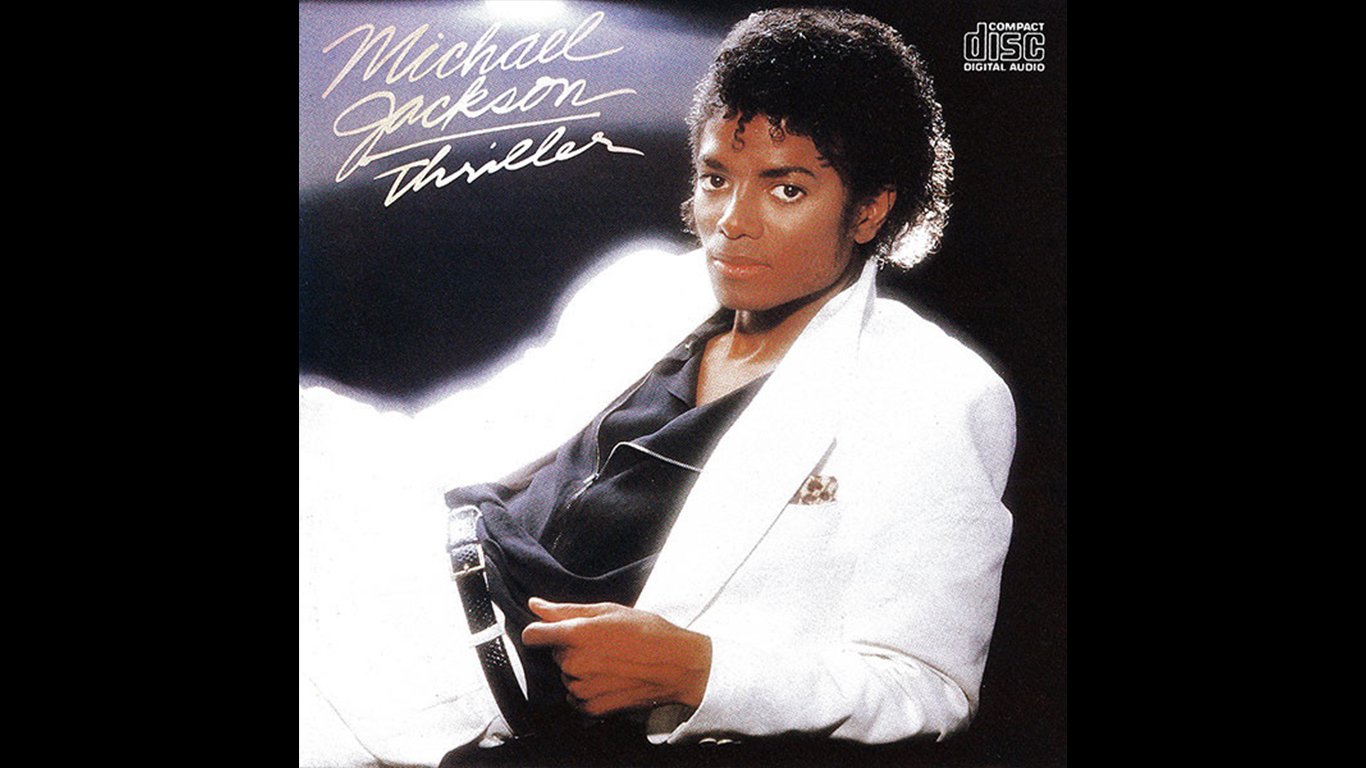
Historian and investor Joseph Moore has a way of reframing market history that makes long-time investors blink. On a recent Motley Fool Money appearance discussing his book How to Get Rich in American History: 300 Years of Financial Advice That Worked (and Didn’t), Moore drew a line through American equity returns at an unlikely cultural marker: the release of Michael Jackson’s Thriller.
His claim: “From the George Washington administration until Michael Jackson’s Thriller album, dividends were 90-something percent of returns and price movement was very little of the gain. And since then I think well over 70% of our investment returns come not from dividends, but from price elevation.”
Why The Regime Shifted
The timing tracks with macro history. By 1982, the Fed Funds rate had peaked near 20% in June 1982, and the subsequent multi-decade decline in interest rates revalued every cash flow on earth. As inflation broke, capital chased growth, buybacks gained tax-favored status after 1982, and the cultural definition of a “good stock” migrated from yield to appreciation.
The fingerprints of that shift sit inside the S&P 500 itself. SPDR S&P 500 ETF Trust (NYSEARCA:SPY) paid roughly $0.32 to $0.41 per quarter in 1999 and 2000, and the most recent payment was $1.796999 in March 2026. Dividends have grown substantially. Price has grown more. SPY’s ten-year price change is 262.53%, with the ETF closing at $747.21 on May 13, 2026. Yield is the side dish now.
Buying Future Buyers, Not Future Profits
Moore’s sharpest framing is what he believes the modern investor is actually purchasing. In his telling, today’s equity buyer is acquiring “a share of future buyers at today’s prices,” rather than “a share of future profits at today’s prices.” That reframing has consequences. It implies multiple expansion, sentiment, and flows do more work than coupon-like cash returns ever did in the 19th century.
He pairs it with a jab at compound-interest folklore, noting that “99% of Warren Buffett’s wealth was made after his 65th birthday,” an age most Americans through history never reached. The lesson is less about patience as a slogan and more about longevity, valuation discipline, and the regime you happen to be investing inside.
What It Means For Today’s Allocator
With the 10-year Treasury at 4.46% as of May 12, 2026, sitting in the 93rd percentile of its one-year range, the dividend-versus-price question is live again. Cash yields compete with equity income for the first time in a generation.
Moore’s best personal trade reflects his macro view: after reading about early AI development, he bet broadly on compute power, buying multiple chip companies rather than trying to pick a single winner. Readers can find the full conversation on Motley Fool Money. The watch item from here is whether higher real rates pull the next decade of returns back toward the dividend column, or whether the post-Thriller regime extends.
Contact [email protected] for any questions or corrections.
Don Lair writes about options income, dividend strategy, and the kind of boring-but-durable investing that actually funds retirement. He's the founder of FITools.com, an independent contributor to 24/7 Wall St., and a former writer for The Motley Fool.