SpaceX Just Told the SEC What Could Crash Its Stock Overnight, and It Has Nothing to Do With Rockets
Skim the headlines and you might assume the biggest risk to SpaceX shareholders is a Starship blowing up on the pad, or a Falcon 9 losing a payload. After reading the company's pre-IPO disclosures, the conclusion is harder to escape:…


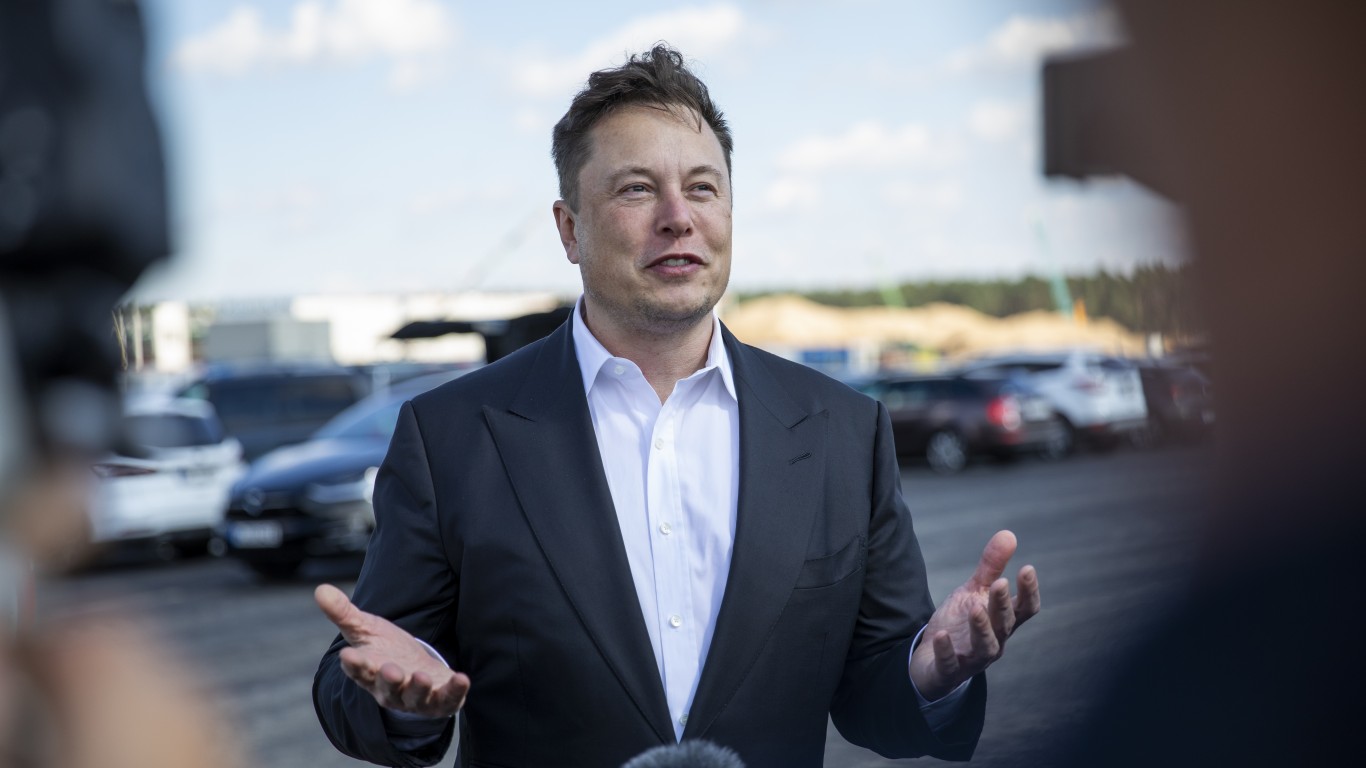
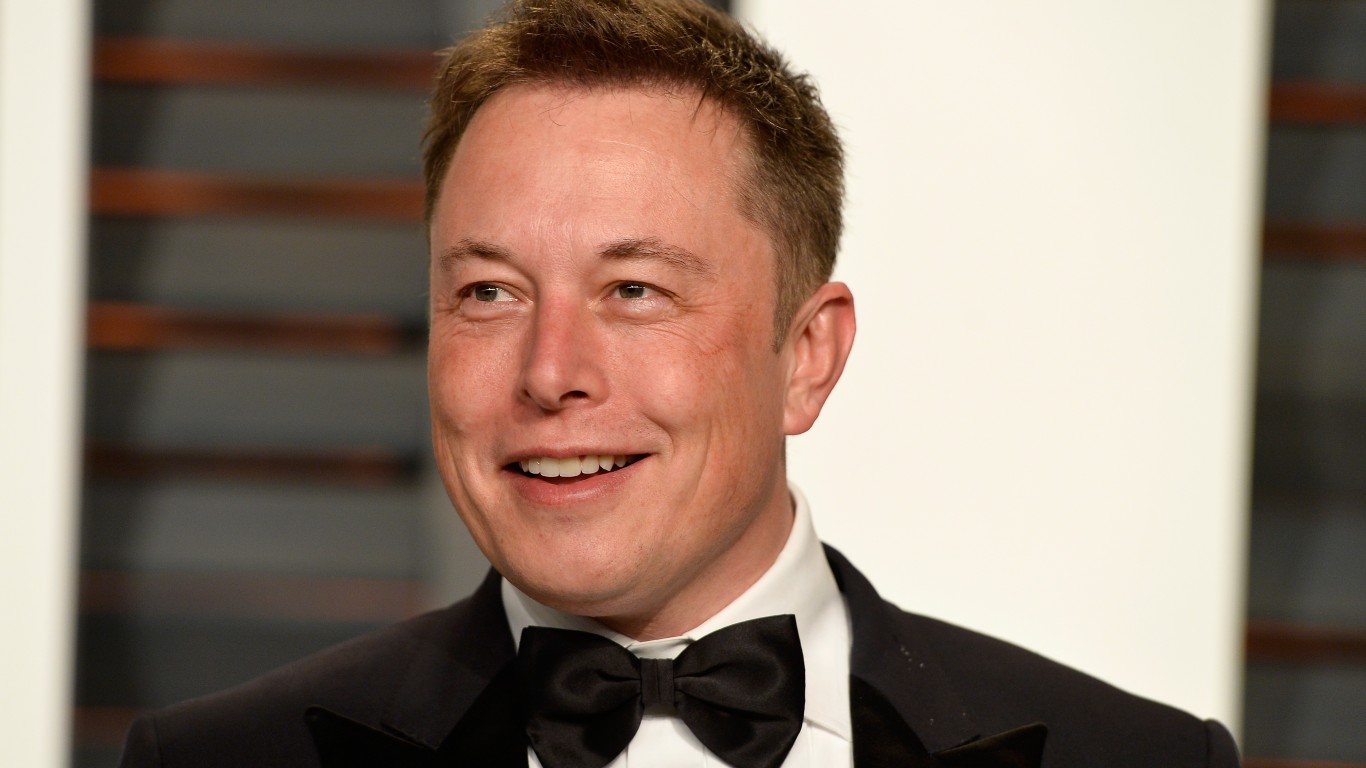
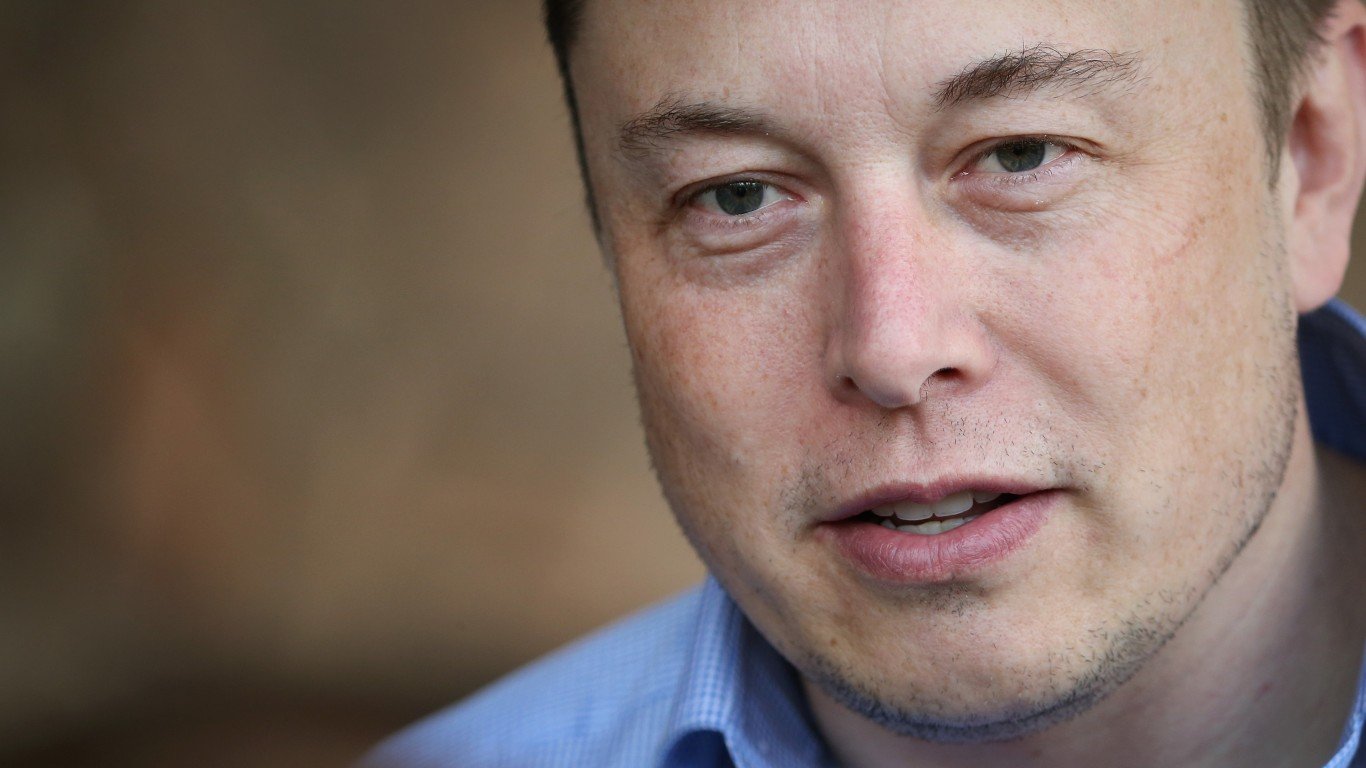
Skim the headlines and you might assume the biggest risk to SpaceX shareholders is a Starship blowing up on the pad, or a Falcon 9 losing a payload. After reading the company’s pre-IPO disclosures, the conclusion is harder to escape: the biggest threat to shareholders is Elon Musk himself.
SpaceX signed its S-1 registration statement in Starbase, Texas, on May 20, 2026, then filed an amended S-1/A on June 1, anchoring what is shaping up to be the largest IPO in recorded history. Reuters reported that SpaceX is targeting a $135-per-share price on roughly 555.6 million shares, a raise of $75 billion at a $1.75 trillion valuation. First-day trading on Nasdaq under the ticker SPCX is expected on June 12. The Polymarket closing-market-cap market now shows the “$2.0T to $2.5T” band as the leading outcome at 44%, with “$1.5T to $2.0T” close behind at 38%, reflecting strong confidence in a premium debut.
The Risk Factor Hiding in Plain Sight
Buried in the IPO paperwork is a sentence that deserves more attention than it has received:
“We, Mr. Musk, and other companies Mr. Musk is affiliated with frequently receive an immense amount of media attention. The actions and statements of Mr. Musk and his affiliated ventures, whether or not directly relating to us, may draw significant public attention and scrutiny to us and could potentially have a positive or negative impact on our business, relationships with customers and regulators, or stock price.”
SpaceX is telling the SEC directly that a post on X, a podcast appearance, or a political statement, even one with nothing to do with rockets or satellites, can move the stock. The same disclosure flags that Musk “has also previously served as Senior Advisor to the President of the United States,” a line that quietly places political entanglement on the list of material risks facing the company.
The Cross-Exposure Problem
The affiliated-ventures clause carries real weight because Musk’s empire is now financially interlocked. Tesla beneficially owns 18,990,195 shares of SpaceX Class A common stock, and the two companies are jointly building Terafab, an AI chip manufacturing initiative. Tesla (NASDAQ:TSLA | TSLA Price Prediction) trades around $391 with a trailing P/E of approximately 358, and the company put roughly $2 billion into xAI Series E preferred stock, which converted into SpaceX equity after the February 2, 2026 xAI Merger.
The cross-contamination risk is not theoretical. Tesla’s robotaxi fleet in Austin accumulated 14 reported crashes in its first eight months of service, according to data submitted to the National Highway Traffic Safety Administration, though the company subsequently released unredacted narratives showing most incidents were low-speed contacts and the vast majority were not attributed to the autonomous system itself. That sequence of negative headlines, regardless of how it ultimately resolved, dragged sentiment on Tesla at the exact moment SpaceX was preparing its IPO roadshow. Any future episode that similarly rattles Tesla will now directly shadow SpaceX as well.
A Business That Has Changed Shape Since the Filing
The S-1 disclosed Q1 2026 revenue of $4.694 billion on a consolidated basis, with an operating loss of $1.943 billion and adjusted EBITDA of $1.127 billion. Full-year 2025 revenue came to $18.674 billion. The AI segment, absorbed through the xAI merger, is driving the losses. SpaceX’s legacy Space and Connectivity segments remain profitable on an operating basis, with Starlink generating the majority of revenue.
Since the S-1 became public, SpaceX’s profile as an AI infrastructure company has sharpened considerably. Anthropic agreed to pay $1.25 billion per month through May 2029 for exclusive access to Colossus 1, SpaceX’s Memphis data center housing more than 220,000 NVIDIA GPUs, a deal worth roughly $45 billion over its three-year term. Then, one week before the expected trading debut, Google agreed to pay $920 million per month from October 2026 through June 2029 for access to approximately 110,000 NVIDIA GPUs at a separate facility. Together those two contracts represent about $75 billion in future contracted revenue, a figure that happens to equal the entire targeted IPO raise. That revenue visibility strengthens the bull case. It also creates a new category of relationship risk that belongs squarely in the affiliated-ventures column: two of the world’s largest AI companies are now customers, and any deterioration in those relationships would hurt the AI segment SpaceX used to justify the $1.75 trillion price tag.
What To Watch
Polymarket puts just an 8% probability on Musk exiting as Tesla CEO before 2027, consistent with his May 2025 commitment to remain in the role for at least five more years. A separate market assigns 92% odds that SpaceX carries a higher valuation than Tesla by June 30. Neither number changes the underlying dynamic the S-1 identified: the man holding the microphone is a variable that shareholders cannot hedge, and SpaceX told the SEC as much. The question is whether anyone buying the IPO will actually read it.
Editor’s note: This article was updated to reflect SpaceX’s June 1 S-1/A amendment, the company’s reported $135-per-share IPO price targeting a June 12 Nasdaq debut under SPCX, revised Polymarket closing-market-cap probabilities, Q1 2026 and full-year 2025 revenue figures from the S-1, the Anthropic $1.25 billion-per-month compute deal and the subsequent Google $920 million-per-month agreement, updated Tesla trailing P/E, and additional context on Tesla’s Austin robotaxi crash record.
Contact [email protected] for any questions or corrections.
I've been writing about stocks and personal finance for 20+ years. I believe all great companies are tech companies in the long run, and I invest accordingly.