Bidenflation Hit Harder, but Trumpflation May Last Longer
Inflation may be one of the few issues capable of uniting Americans across party lines. Voters can argue endlessly about tax policy, government spending, tariffs, or regulation. But when the cost of groceries, gasoline, and housing starts climbing faster than…

Inflation may be one of the few issues capable of uniting Americans across party lines. Voters can argue endlessly about tax policy, government spending, tariffs, or regulation. But when the cost of groceries, gasoline, and housing starts climbing faster than paychecks, political loyalties often take a back seat to household budgets.
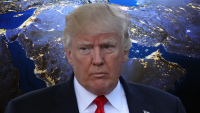
That’s because inflation isn’t an abstract economic statistic. It directly affects a family’s ability to make ends meet. Regardless of political affiliation, presidents tend to get credit when inflation falls and blame when it rises. And after helping return President Donald Trump to the White House, voters may be discovering that inflation remains a stubborn opponent.
From Bidenflation to Trumpflation
President Joe Biden presided over one of the sharpest inflation surges in decades. According to Consumer Price Index data from the Bureau of Labor Statistics, inflation stood at 1.4% when he took office and eventually peaked at 9.1% in June 2022.
The good news was that inflation steadily retreated over the following two years. By the time Trump returned to office last year, inflation had fallen to roughly 3%, and by April 2025 it reached 2.3%, seemingly validating Trump’s campaign promise to bring prices under control.
That progress didn’t last. Inflation now stands at 3.8%, up from 3.3% in March. While that’s still far below Biden’s 9.1% peak, the trend is moving in the wrong direction.
Here’s what changed: Trump’s tariff announcements last April prompted companies throughout the supply chain to begin adjusting prices in anticipation of higher import costs. Whether one supports or opposes tariffs, businesses rarely absorb higher costs voluntarily. Those expenses typically work their way through the economy and eventually reach consumers.
Oil Is Making the Problem Worse
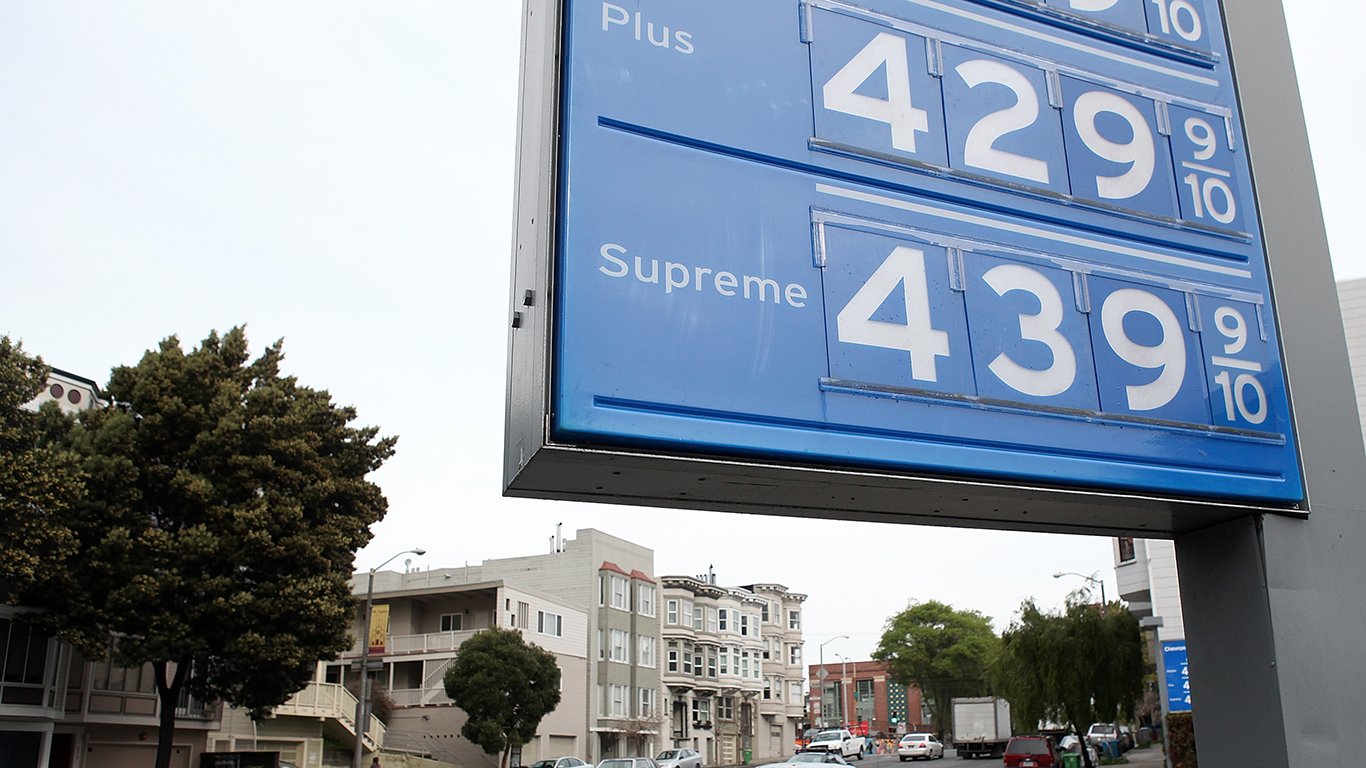
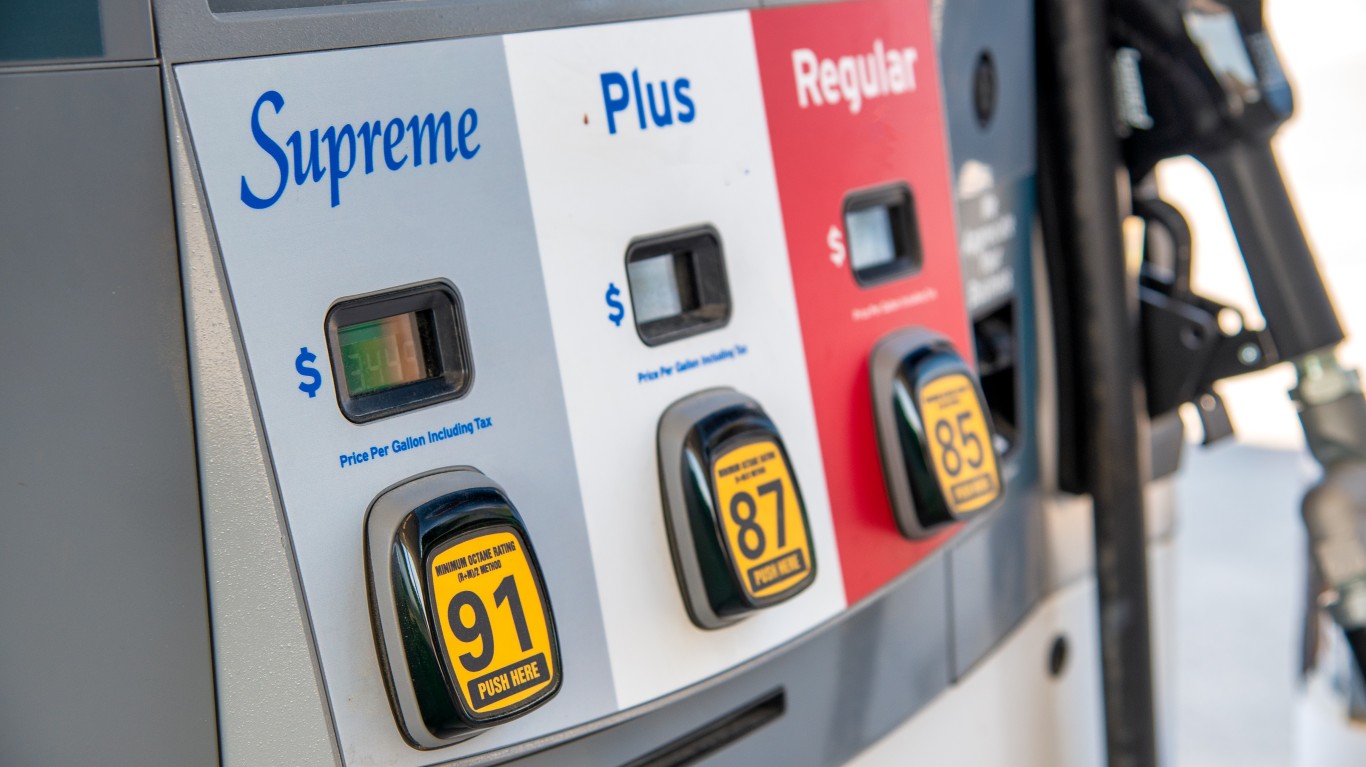
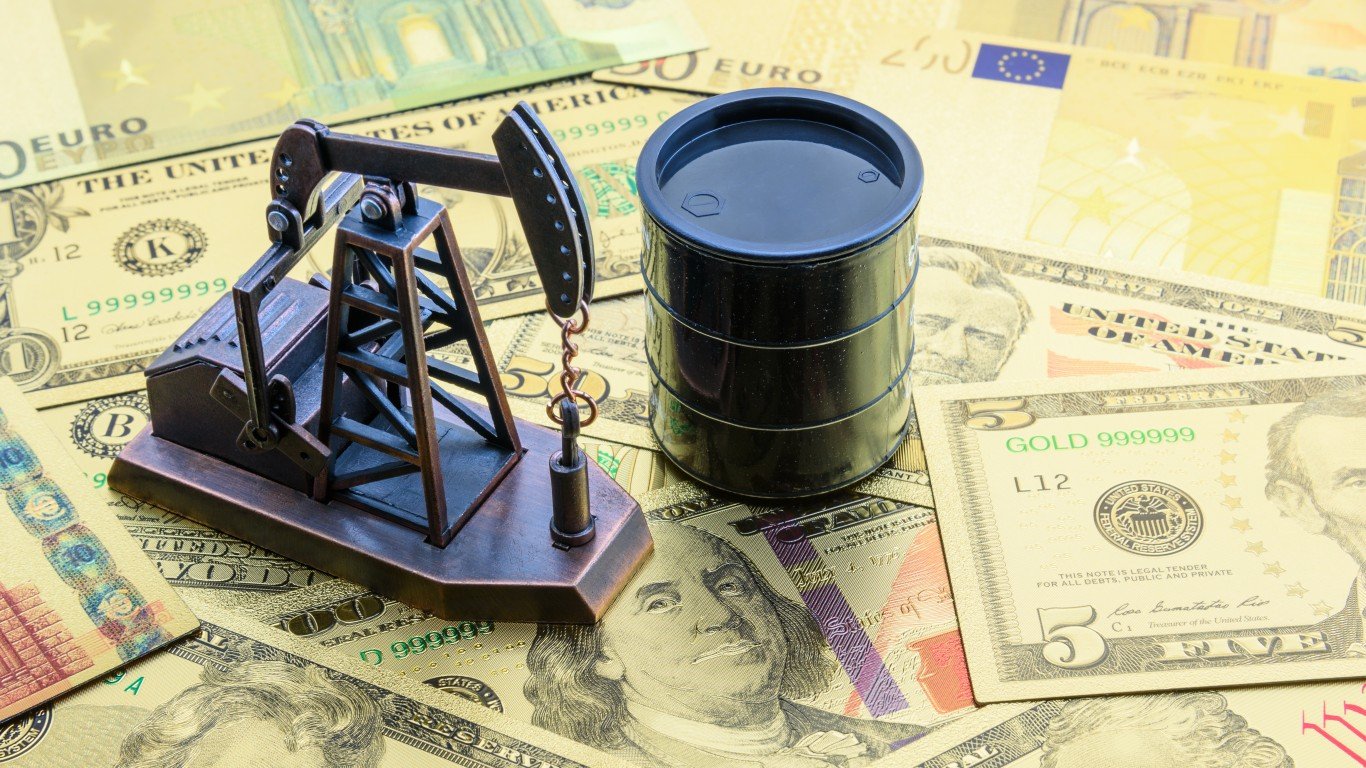
If tariffs lit the match, the Iran conflict poured gasoline on the fire. Before the war began on Feb. 28, gasoline prices were below $3 per gallon nationally. Today they average $4.33 per gallon after oil prices surged above $100 per barrel.
Recently, crude prices have retreated somewhat, with Brent crude trading near $91 per barrel and West Texas Intermediate near $87. Yet consumers haven’t seen much relief at the pump. That’s important because oil affects far more than transportation. It influences manufacturing, shipping, agriculture, packaging, and logistics costs across virtually every sector of the economy.
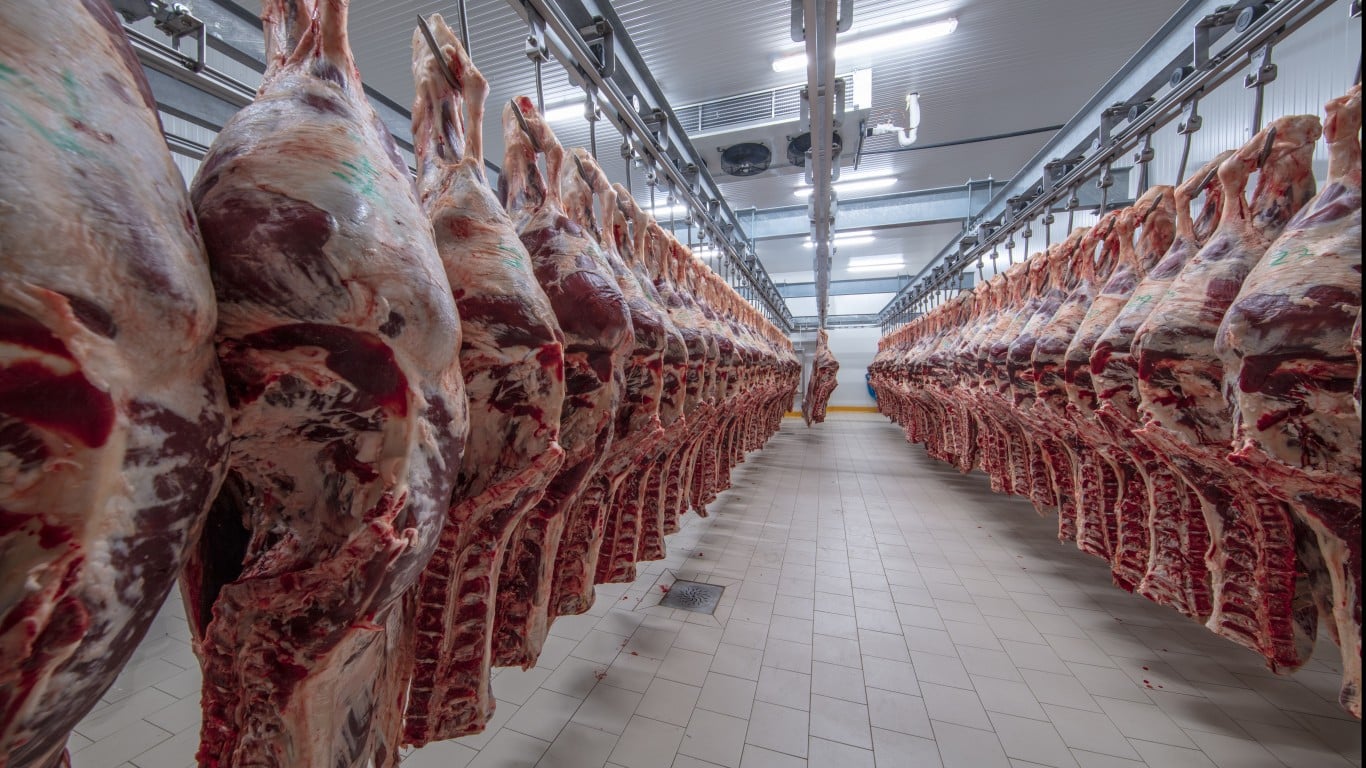
The impact is already visible in wholesale inflation data. According to the Bureau of Labor Statistics Producer Price Index report, producer prices rose 6% in April. Even excluding volatile food and energy costs, core producer inflation increased 4.4%.
Those numbers suggest many businesses continue facing rising input costs, creating pressure for additional consumer price increases in the coming months.
The Fed May Have a Tough Choice Ahead
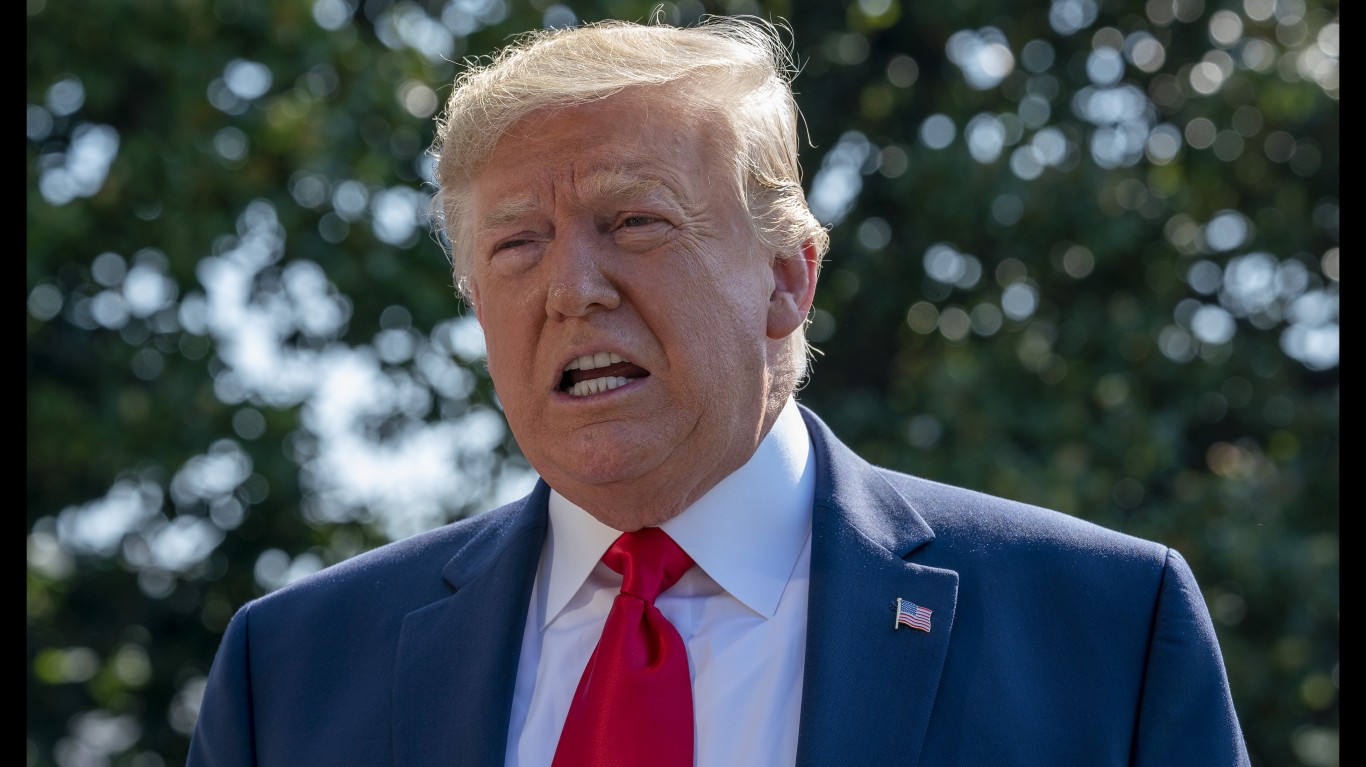
Trump recently argued that the inflation surge is temporary, saying, “Our inflation is just short-term. As soon as this war is over, you’re going to see inflation go down to probably 1.5%.”
Granted, a resolution to the conflict would likely help ease energy markets. But investors shouldn’t assume inflation disappears overnight. Earlier this month, the CEO of Saudi Aramco warned that even if shipping disruptions through the Strait of Hormuz ended immediately, oil supplies might not normalize until late this year. If disruptions continue for several more weeks, normalization may not occur until sometime in 2027.
That creates another challenge for the Federal Reserve. Markets entered 2026 expecting lower interest rates. Instead, rising inflation may force policymakers to keep rates elevated longer than expected. In a worst-case scenario, the Fed could even face pressure to raise rates further.
Higher borrowing costs could slow economic growth, weaken hiring, and increase unemployment while inflation remains elevated — the unpleasant combination economists call stagflation.
Key Takeaway
In short, Trumpflation may never reach the painful 9.1% peak Americans experienced under Biden. That said, investors shouldn’t assume a lower peak means a smaller problem.
Biden’s inflation shock was severe but ultimately began easing after reaching its high-water mark in 2022. Trump’s inflation challenge may prove different. Tariffs, energy disruptions, rising producer costs, and the possibility of prolonged Federal Reserve tightening could keep inflation above target for far longer than many investors currently expect.
Regardless of how you look at it, inflation’s political impact is measured less by how high it climbs than by how long households must live with it. And when all is said and done, that may be the factor that determines whether Trumpflation becomes just a temporary setback — or a lasting economic headache.
Contact [email protected] for any questions or corrections.
After two decades of patrolling the dark corners of suburbia as a police officer, Rich Duprey hung up his badge and gun to begin writing full time about stocks and investing. For the past 20 years he’s been cruising the markets looking for companies to lock up as long-term holdings in a portfolio while writing extensively on the broad sectors of consumer goods, technology, and industrials. Because his experience isn’t from the typical financial analyst track, Rich is able to break down complex topics into understandable and useful action points for the average investor. His writings have appeared on The Motley Fool, InvestorPlace, Yahoo! Finance, and Money Morning. He has been featured in both U.S. and international publications, including MarketWatch, Financial Times, Forbes, Fast Company, and USA Today.