Trump’s Iran War Reignited Stagflation Fears — and May’s Data Just Confirmed It
For much of early 2026, the U.S. economy looked like it might pull off a difficult balancing act. Inflation readings had cooled from their 2024 highs, job growth remained intact, and consumer spending — while strained — continued to show…

For much of early 2026, the U.S. economy looked like it might pull off a difficult balancing act. Inflation readings had cooled from their 2024 highs, job growth remained intact, and consumer spending — while strained — continued to show resilience. The question investors kept asking was simple: could the economy slow without breaking?
Now the answer is becoming clearer. And it is not encouraging.
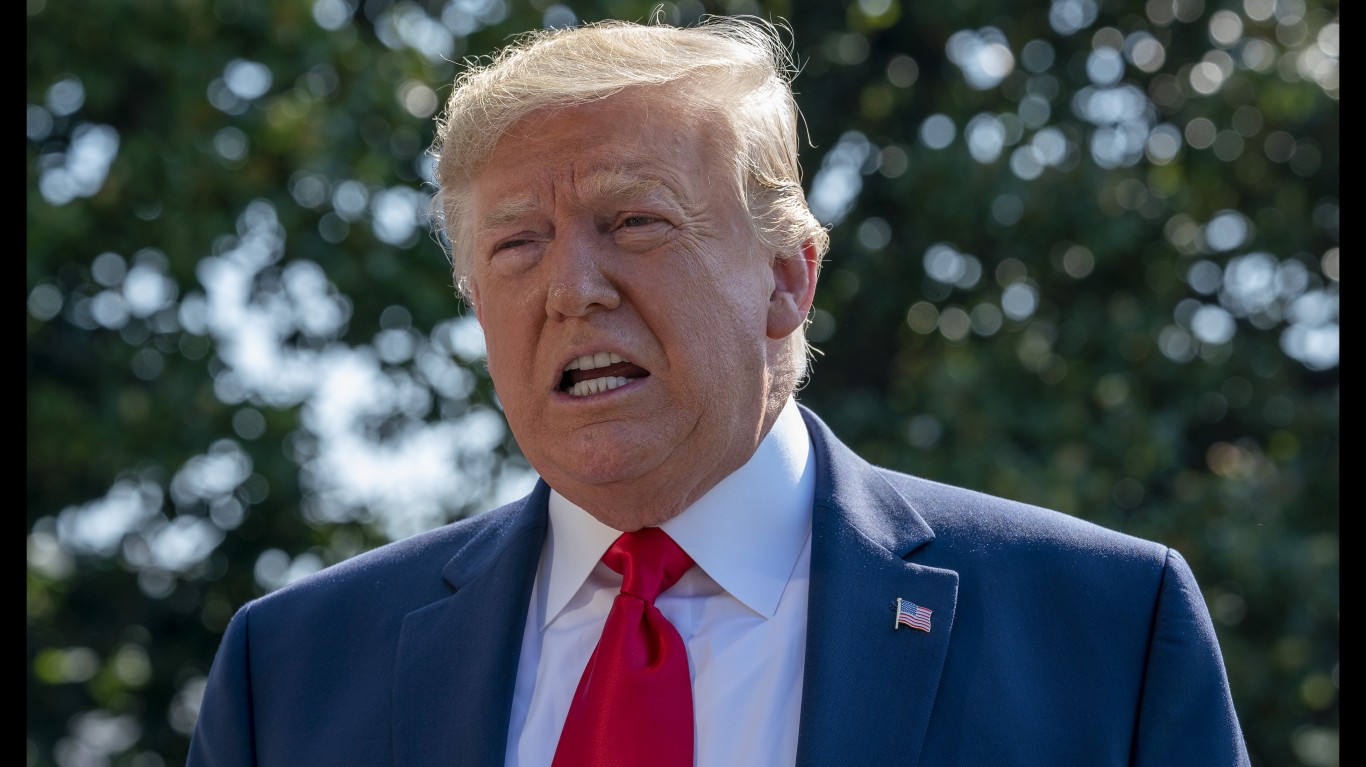
A fresh wave of inflation pressure tied to President Donald Trump’s escalating conflict with Iran is colliding with weakening economic growth. The result is the one outcome Wall Street and consumers hoped to avoid — stagflation.
Manufacturing Inflation Just Delivered Another Shock
The latest blow came from the May Manufacturing PMI report, which showed the input prices index surged to 80.0 — its highest level since mid-2022. According to S&P Global, that marked the largest monthly increase in manufacturing input costs since June 2022.
Even more concerning, the index has now climbed 22 points since February. That pace mirrors the inflation spike seen during the 2021-2022 inflation crisis when the Consumer Price Index peaked above 9%.
Here’s what the numbers tell us:
| Economic Indicator | February 2026 | May 2026 |
| Manufacturing Input Prices PMI | 57.3 | 79.5 |
| CPI Inflation Rate | 2.4% | +4.2% est. |
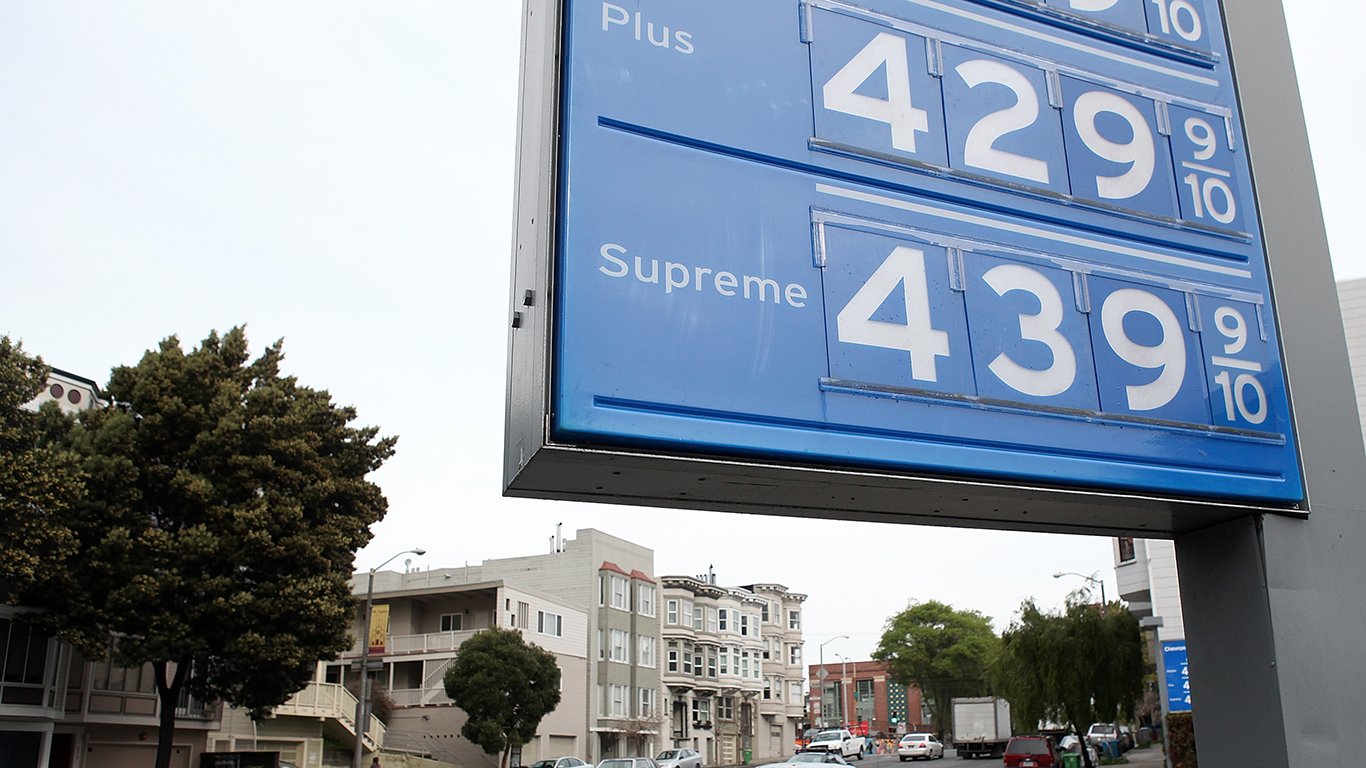
| Average U.S. Gasoline Price | $2.98 | $4.52 |
| Consumer Sentiment Index | 56.6 | 44.8 |
Sources: S&P Global, Bureau of Labor Statistics, AAA, University of Michigan.
The culprit is becoming increasingly obvious. Trump’s Iran war disrupted energy markets at the exact moment supply chains were beginning to stabilize. Oil prices climbed sharply as shipping risks across the Strait of Hormuz increased, while refiners faced higher transportation and insurance costs.
That matters because energy is embedded in nearly everything consumers buy — groceries, airline tickets, construction materials, and manufactured goods. Businesses are now passing those higher costs directly to consumers.
Consumers Are Getting Hit From Every Direction
Earlier this year, consumers were already showing signs of fatigue. Credit card balances hit record levels above $1.3 trillion, according to the Federal Reserve Bank of New York, while delinquency rates continued rising.
Granted, households were still spending. Wage growth and a sturdy labor market helped keep the economy moving forward. But inflation reigniting changes the equation entirely.
S&P Global’s May survey showed manufacturing and services activity expanded only modestly as higher prices weakened demand. Companies also reported accelerating layoffs as profit margins narrowed. That combination is what makes stagflation dangerous.
Stagflation occurs when inflation rises while economic growth slows and unemployment increases at the same time. Normally, inflation appears during strong economic growth. Recessions, meanwhile, usually cool inflation. Stagflation creates the worst of both worlds — higher prices and fewer economic opportunities.
For consumers, the impact becomes painfully direct:
- Gasoline costs rise
- Grocery bills expand
- Borrowing costs stay elevated
- Wage growth loses purchasing power
- Job security weakens
Surprisingly, even businesses that benefited from earlier price increases are beginning to struggle. Input costs are rising faster than many companies can pass them along to customers without hurting demand.
That said, the Federal Reserve may now face its toughest policy challenge in years.
The Fed’s Problem Is Becoming Harder To Solve
Just months ago, investors expected the Federal Reserve to begin cutting interest rates in 2026. Those expectations are fading quickly.
The latest CPI and Producer Price Index reports already showed inflation pressures broadening before May’s PMI data landed. Now, with manufacturing price pressures accelerating again, the Fed risks cutting rates into a renewed inflation cycle. Policymakers are cornered.
If the Fed cuts rates too early, inflation could accelerate further. If it keeps rates elevated, economic growth may weaken more sharply as consumers and businesses pull back spending.
That leaves investors facing a market increasingly dominated by uncertainty tied to energy prices, geopolitical risk, and deteriorating consumer sentiment.
Key Takeaway
In short, Trump’s economy just absorbed another damaging hit.
The May Manufacturing PMI data confirms inflation pressures are accelerating again, driven largely by Iran war-related energy disruptions and tightening supply conditions. Meanwhile, consumer confidence is deteriorating and business activity is slowing.
That combination — slowing growth paired with rising inflation — is the textbook definition of stagflation.
Ultimately, consumers feel the pain first, but investors should pay close attention, too. Markets can adapt to inflation. They can adapt to slower growth. Stagflation, however, tends to pressure both corporate profits and household finances simultaneously — and history shows that can become a far more difficult problem to escape.
Contact [email protected] for any questions or corrections.
After two decades of patrolling the dark corners of suburbia as a police officer, Rich Duprey hung up his badge and gun to begin writing full time about stocks and investing. For the past 20 years, he’s been cruising the markets looking for companies to lock up as long-term holdings in a portfolio while writing extensively on the broad sectors of consumer goods, technology, and industrials. Because his experience isn’t from the typical financial analyst track, Rich is able to break down complex topics into understandable and useful action points for the average investor. His writings have appeared on The Motley Fool, InvestorPlace, Yahoo! Finance, Money Morning, and, of course, 24/7 Wall St. He has been featured in both U.S. and international publications, including MarketWatch, Financial Times, Forbes, Fast Company, and USA Today.