




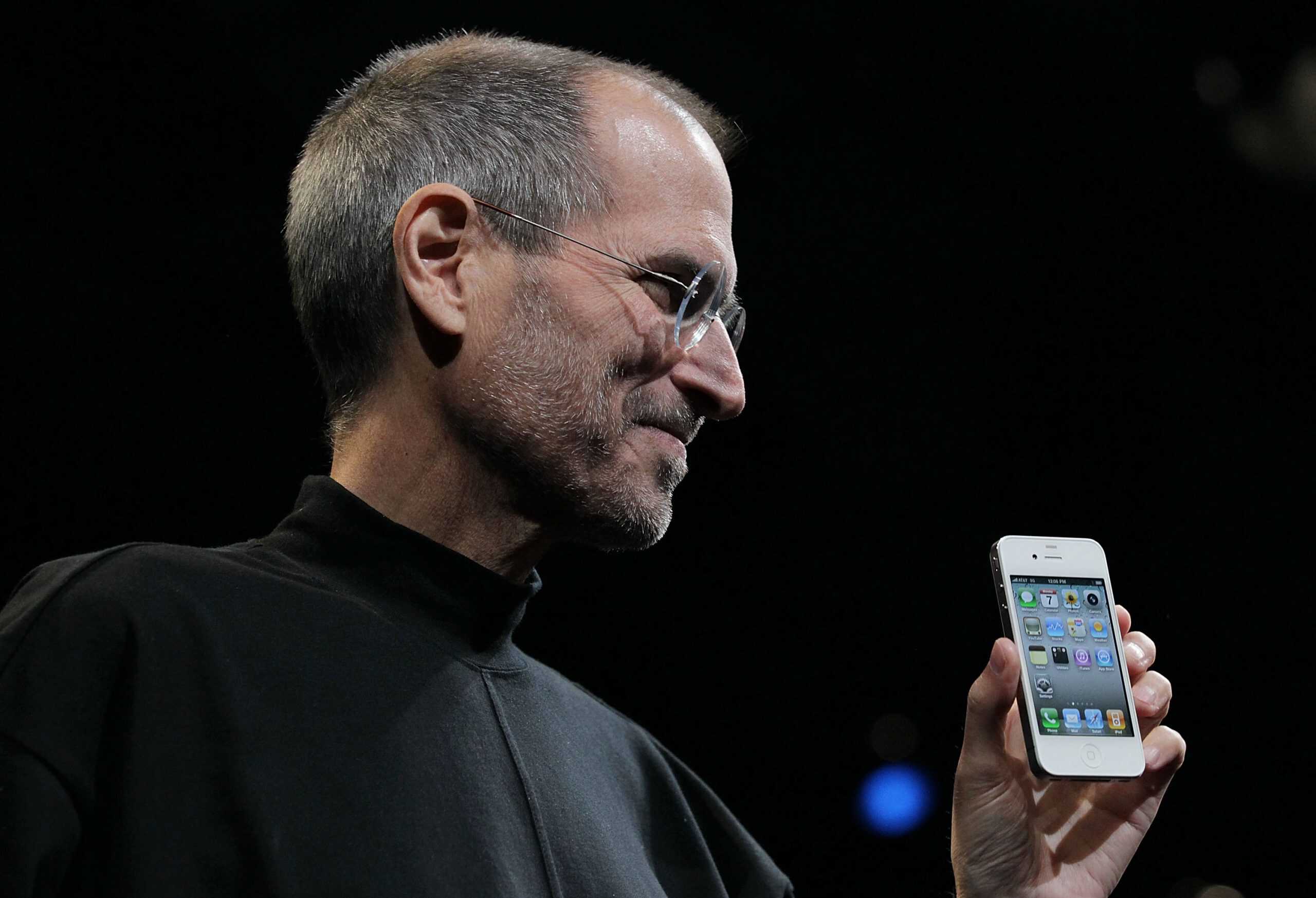
Apple is walking on stage next week for its annual Worldwide Developers Conference (WWDC), and it isn’t just showcasing routine software updates—it is quietly preparing a major ecosystem upgrade that could spell disaster for independent fintech applications. CNBC’s Dominic Chu used his June 2 Pre-Market Rundown to sketch the immense stakes, outlining a new native feature that targets a market sector long dominated by third-party apps.
Apple arrives at the event against a backdrop of fresh record highs in yesterday’s trading session, but the real story for investors is how the tech giant plans to use its unmatched hardware footprint to systematically cannibalize rival software platforms.
Apple WWDC: The Direct Assault on Venmo and Splitwise
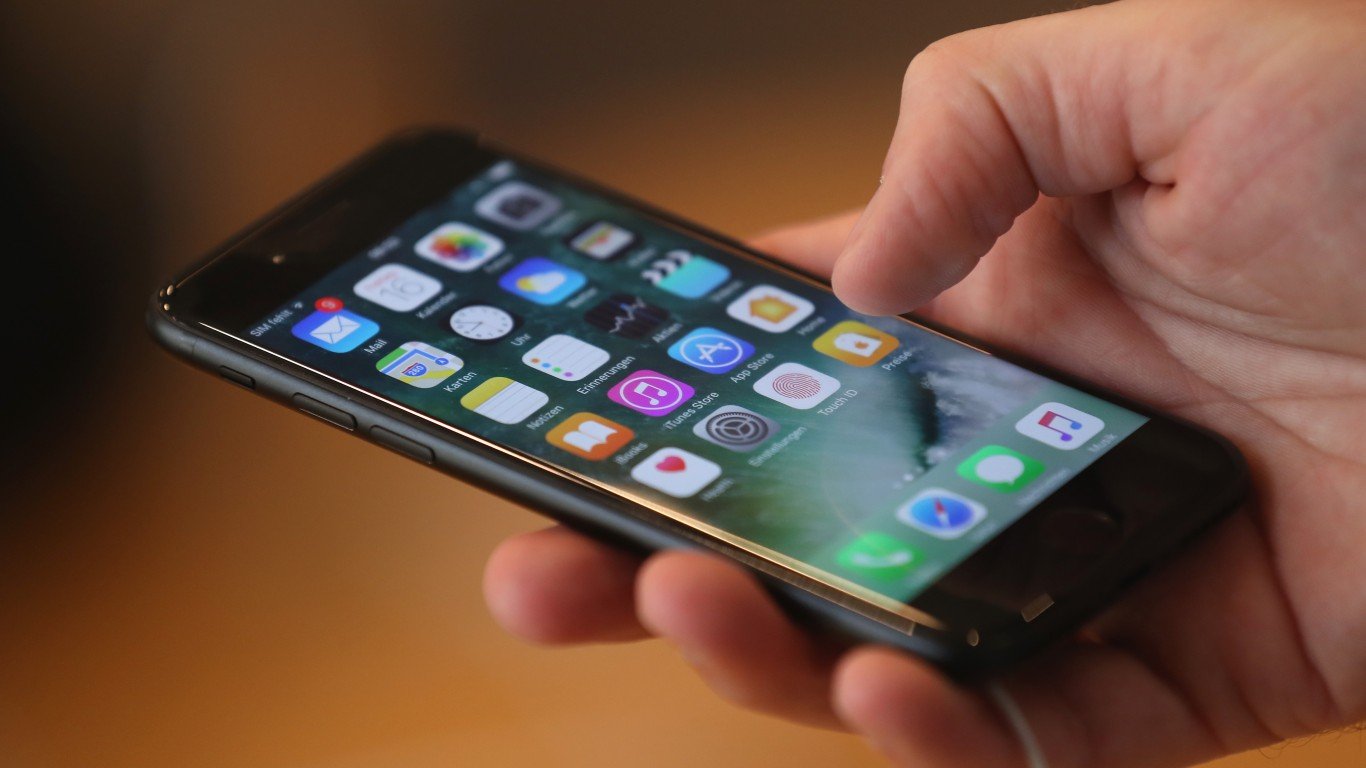
According to Chu’s reporting, the upcoming iPhone update introduces an aggressive expansion of native financial utilities that cuts directly into territory owned by long-standing tech favorites. “Apple is planning a new feature for the iPhone to let users split bills for group dinners or other events,” Chu noted. “It will let you take a photo of the receipt, assign items to different people, and create a payment request similar to Venmo.”
By integrating receipt-scanning, itemized bill-splitting, and peer-to-peer execution directly into the core operating system, Apple (NASDAQ:AAPL | AAPL Price Prediction) is mounting a textbook ecosystem play. The feature doesn’t just add a layer of convenience; it completely eliminates the friction of opening an outside tool. For dedicated budgeting apps like Splitwise and payment giants like PayPal’s Venmo, this native integration represents an existential threat to user engagement.
The tech giant’s massive financial reserves heavily support this predatory ecosystem scaling. Apple’s Q2 FY26 revenue came in at $111.18 billion, up 16.6% year over year. Crucially, its Services division hit an all-time record of $30.98 billion, while the iPhone division delivered $56.99 billion, fueled by what CEO Tim Cook described as “extraordinary demand for the iPhone 17 lineup.” Backed by a massive $100 billion buyback authorization and a 4% dividend increase to $0.27 per share, Apple has the capital structure to seamlessly absorb, roll out, and scale deeply integrated financial features at zero extra cost to the consumer.
Why the Installed Base is an Extinction Event for Third-Party Apps
Embedding automated bill-splitting directly into iOS gives Apple an unshakeable advantage to defend and monetize its global footprint of over 2.5 billion active devices. When a functionality becomes standard within the operating system, the necessity of maintaining a separate digital wallet, sharing personal bank data with a third party, and jumping between separate apps instantly evaporates. For millions of consumers, the default system option simply becomes the only option they use.
Wall Street is already pricing in a highly successful keynote execution. Apple shares are up 53.11% over the past year and 12.88% year to date. Prediction markets place a commanding 94.5% odds on AAPL closing the week above $300, with the company’s composite sentiment reading sitting at 64.83—bullish with medium confidence.
What to Watch Next: The Era of Platform Erosion
The broader takeaway for shareholders is platform consolidation. Apple is actively transitioning away from being a mere marketplace for other companies’ applications and is moving toward becoming the native execution layer for everyday financial transactions. By turning its developer conference into a massive distribution event for software utilities that investors once thought belonged safely to independent niches, Apple is tightening its competitive moat.
The follow-through for long-term shareholders will show up clearly as these native features starve out the competition, driving up Services attach rates and lifting average revenue per device over the next two quarters.






 Top Gaining Stocks
 Top Losing Stocks