The Fed’s Next Move Will Determine Whether GLD Can Extend Its 36% Rally
The SPDR Gold Shares (NYSEARCA:GLD) has quietly become one of the largest stories in markets, with the fund now holding roughly $1.2 trillion in net assets after a 36% gain over the past 12 months. GLD is the largest physically…


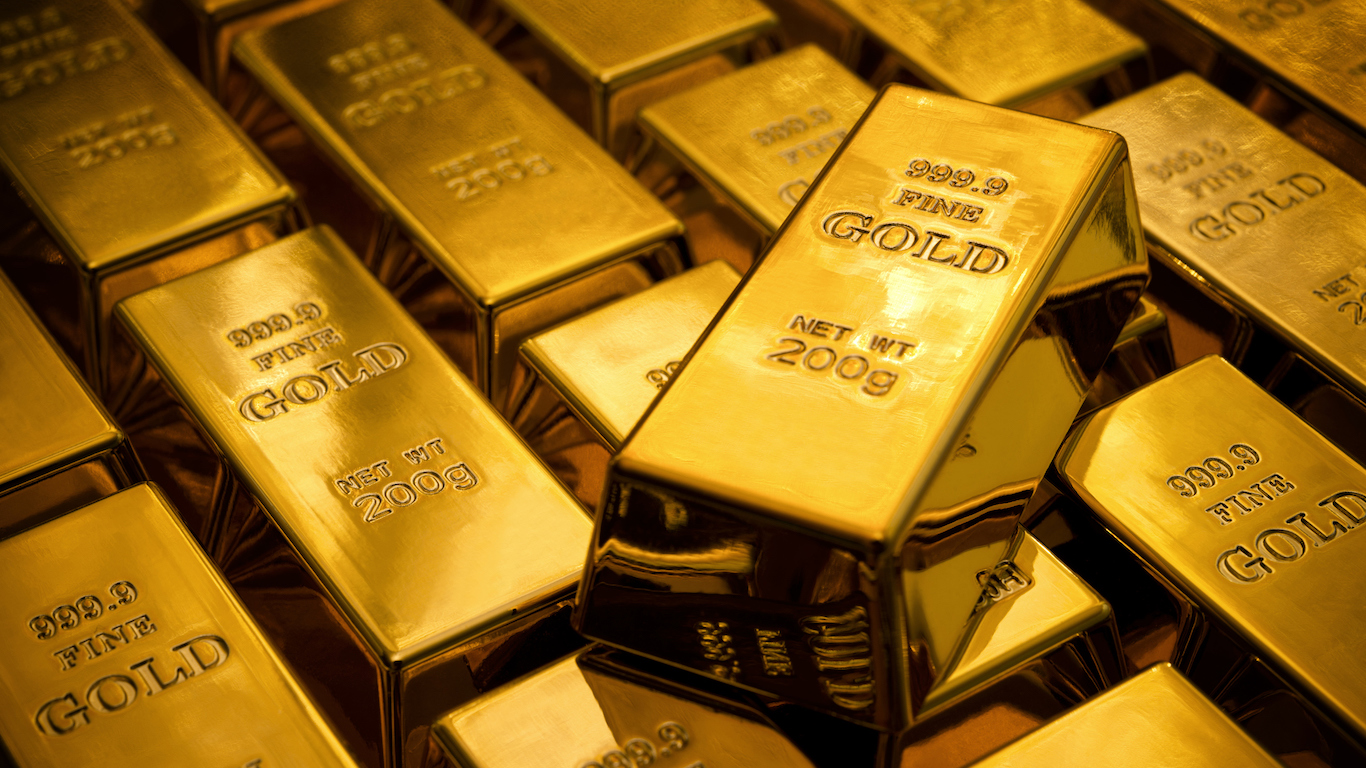
The SPDR Gold Shares (NYSEARCA:GLD) has quietly become one of the largest stories in markets, with the fund now holding roughly $1.2 trillion in net assets after a 36% gain over the past 12 months. GLD is the largest physically backed gold ETF in the world, and shares recently closed near $417. After a torrid run driven by central bank buying and the Fed’s pivot to easier policy, GLD is now in a tricky spot: the easy gains from the rate-cut narrative are largely priced in, and the next leg depends on whether real yields keep falling.
The fund’s recent trajectory tells the story. GLD is up about 5% year to date, but has gone roughly flat over the past month, with the price essentially unchanged over the trailing 30 days. Five-year holders are sitting on a 134% gain. Two factors will decide whether that streak continues.
The Macro Signal That Matters Most: Real Yields and the Fed Path
The single most important macro variable for GLD over the next 12 months is the path of real interest rates, specifically the spread between the 10-year Treasury yield and core inflation. Gold pays no coupon, so when real yields rise, the opportunity cost of holding it climbs. The 10-year Treasury yield is near 4.5%, sitting in the 91st percentile of its 12-month range and only off a recent high of about 4.7%. Core PCE, the Fed’s preferred inflation measure, is at the 90th percentile of its 12-month range, and CPI rose 0.6% in April alone. That combination, sticky inflation against a stalled easing cycle, is the squeeze point.
What to watch: the Fed funds rate, currently 3.75% after three 25 basis point cuts since September 2025. The Fed has held at this level since December, and the CME FedWatch tool is the cleanest read on what comes next. A resumption of cuts pushes real yields lower and supports GLD. If sticky inflation forces the Fed to pause through year-end or, worse, signal a hike, GLD’s tailwind reverses fast. Check FedWatch weekly, and read the dot plot after every FOMC meeting. Gold fell roughly 28% during the 2013 taper tantrum when real yields jumped, a useful reference for how quickly the math turns.
The Fund-Specific Issue: The 0.40% Fee Drag
GLD’s fund-specific watch item is its expense ratio. The fund charges 0.40% annually, which sounds trivial until you compare it to State Street’s own lower-cost sibling SPDR Gold MiniShares (NYSEARCA:GLDM) at 0.10%, or iShares Gold Trust (NYSEARCA:IAU) at 0.25%. On a $50,000 position, that gap is roughly $150 a year of pure performance drag versus GLDM, compounded against an asset that produces no income.
That fee differential is why GLDM has been steadily taking flow share from GLD among long-term holders. GLD’s edge is liquidity. It trades enormous volume and has the tightest options market in the category, which matters for institutions and active traders. For buy-and-hold investors, the math favors switching. Watch the State Street fact sheet quarterly for any fee adjustments, and monitor GLDM’s AUM growth as a signal of where retail money is migrating.
The Bottom Line
If the Fed delivers another cut before September, GLD’s run likely extends toward new highs. If the next CPI print comes in hot and forces a hawkish pause, expect a sharp pullback as real yields climb. Either way, long-term holders with no need for GLD’s liquidity should weigh whether the 0.30% fee gap versus GLDM is worth paying for the same ounce of gold.
Contact [email protected] for any questions or corrections.
Marc Guberti is a personal finance writer who has written for US News & World Report, Business Insider, Newsweek and other publications. He also hosts the Breakthrough Success Podcast which teaches listeners how to use content marketing to grow their businesses.