Trump’s Tariffs Were Struck Down by the Supreme Court, but He’s Devised a New Strategy to Build a ‘Tariff Wall’
When the Supreme Court struck down President Trump’s use of emergency powers to impose tariffs, the administration pivoted to rebuild the policy through a different legal channel. According to Bloomberg reporter Rosalind Mathieson, speaking June 3, 2026, the administration is…

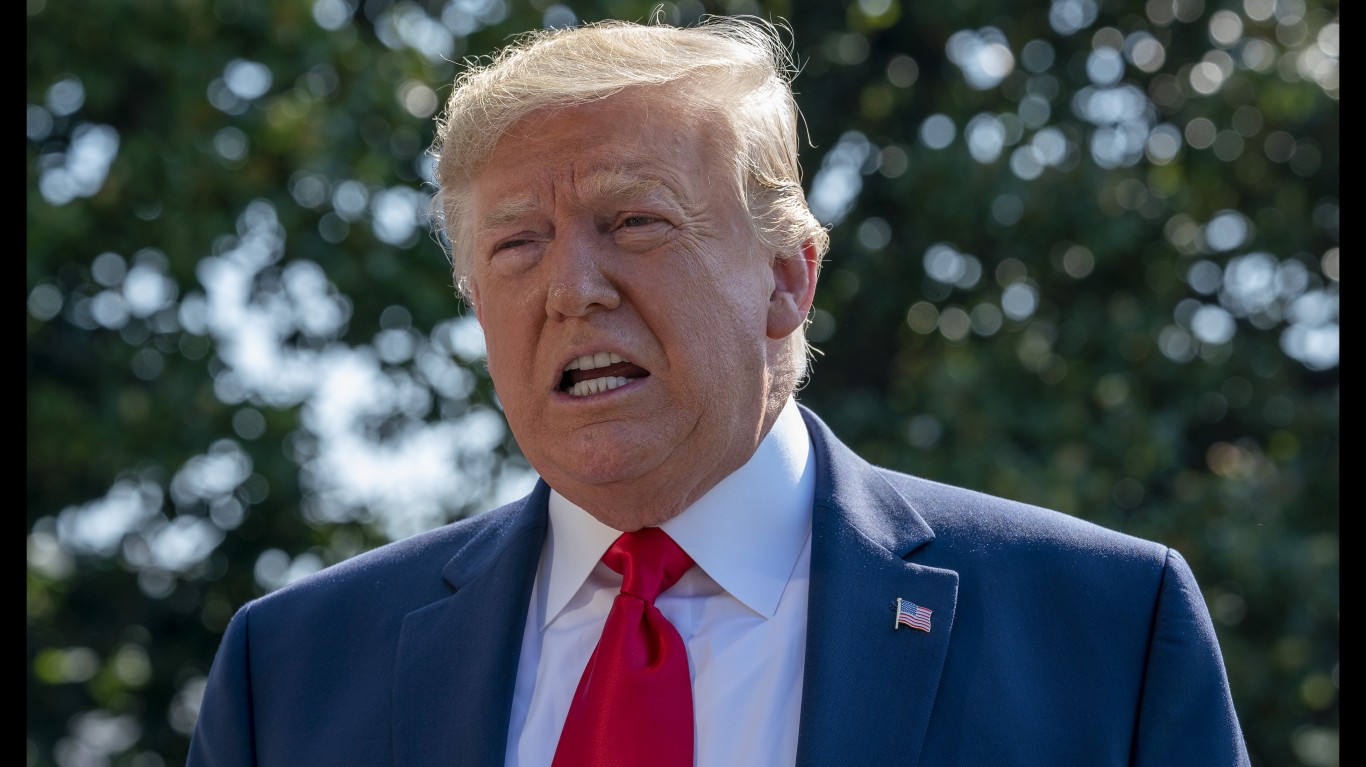
When the Supreme Court struck down President Trump’s use of emergency powers to impose tariffs, the administration pivoted to rebuild the policy through a different legal channel. According to Bloomberg reporter Rosalind Mathieson, speaking June 3, 2026, the administration is rebuilding what Trump calls his “tariff wall” through a different legal door, one designed to be harder for courts to challenge.
The Legal Workaround
The previous approach relied on emergency economic powers, which the Supreme Court overturned. The new approach uses Section 301 investigations into goods allegedly produced by forced labor as the legal basis. Section 301 is a long-established statute used by multiple administrations to address foreign trade practices, which is why Mathieson described the pivot this way: “All those steps, in essence, to rebuild his tariff regime because his use of emergency powers was overturned.”
She added that the Section 301 route is “much more legally sticky than some of the previous actions that we’ve seen from this administration.” The forced-labor allegations remain the stated basis for investigations rather than proven findings, and the durability of the new tariffs has not been tested in court.
The Scope and the Numbers
The administration is proposing tariffs of 10% to 12.5% on imports from 60 trading partners, including the EU, China, Japan, and India. Mathieson summarized the package: “Essentially enacting 10% to 12.5% tariffs on these places. There could be some exemptions for food items, in particular for textiles, for metals.”
Sequencing matters. Existing tariff measures expire in July, with the new Section 301 tariffs scheduled to take effect after that, following a public consultation and hearing period. Final levels and exemption lists may shift during that window.
Business and Market Implications
Broad-based tariffs are an input cost for any company that imports finished goods or components, including retailers, manufacturers, automakers, and consumer-goods firms. Higher input costs can compress margins or get passed through to consumers, an inflation consideration the bond market is already alert to. The 10-year Treasury yield sits at 4.46% as of June 2, 2026, in the 92nd percentile of its 12-month range, reflecting persistent inflation and growth uncertainty.
The macro backdrop is fragile. Real GDP grew at a 1.6% annualized pace in the first quarter of 2026, below the healthy trend benchmark of 2-3%, and the University of Michigan Consumer Sentiment fell to 49.8 in April 2026, a 12-month low and in recessionary territory. CPI rose 0.6% month over month to 332.4 in April 2026, leaving little room for absorbing additional cost pressure quietly.
Volatility has settled for now. The VIX closed at 16.06 on June 3, 2026, well off the 31.05 peak hit on March 27, 2026 during the earlier tariff turmoil. A fresh round of announcements between the hearings and the July effective date could quickly reprice that calm.
Retaliation and Negotiation Dynamics
Mathieson expects most countries to take a wait-and-see stance: “Most countries will probably want to get a bit more detail first, see how these hearings go. But it does look as though many of them are going to get hit by this potentially.”
China remains the central retaliation risk. “There are fundamental differences going on, deep structural tensions around trade and their long-term future. So be interesting to see how China responds,” Mathieson said. The EU is simultaneously negotiating a separate trade deal with the United States, suggesting some partners may try to cut bilateral agreements rather than absorb the headline rate.
The administration has found a more durable legal footing for its tariff agenda. Open questions are the final rates after hearings, which sectors win exemptions, and whether major partners retaliate or negotiate. Trade friction looks set to persist, and the magnitude depends on the outcome of the consultation period and on how Beijing, Brussels, Tokyo, and New Delhi respond.
Contact [email protected] for any questions or corrections.
Thomas Richmond is a financial writer and content strategist with 5+ years of experience covering stocks and financial markets. He has published over 500 articles focused on individual stock analysis, helping investors better understand business fundamentals, stock valuations, and long-term opportunities.
Thomas previously served as a Content Lead at TIKR, a stock research platform, where he helped scale the company’s blog to hundreds of articles per month and contributed to a weekly newsletter reaching more than 100,000 investors.
Outside of work, Thomas enjoys weight lifting and soccer.