“It Really Pisses Me Off”: Trump Vents on $149 Billion in Tariff Refunds He Has to Return
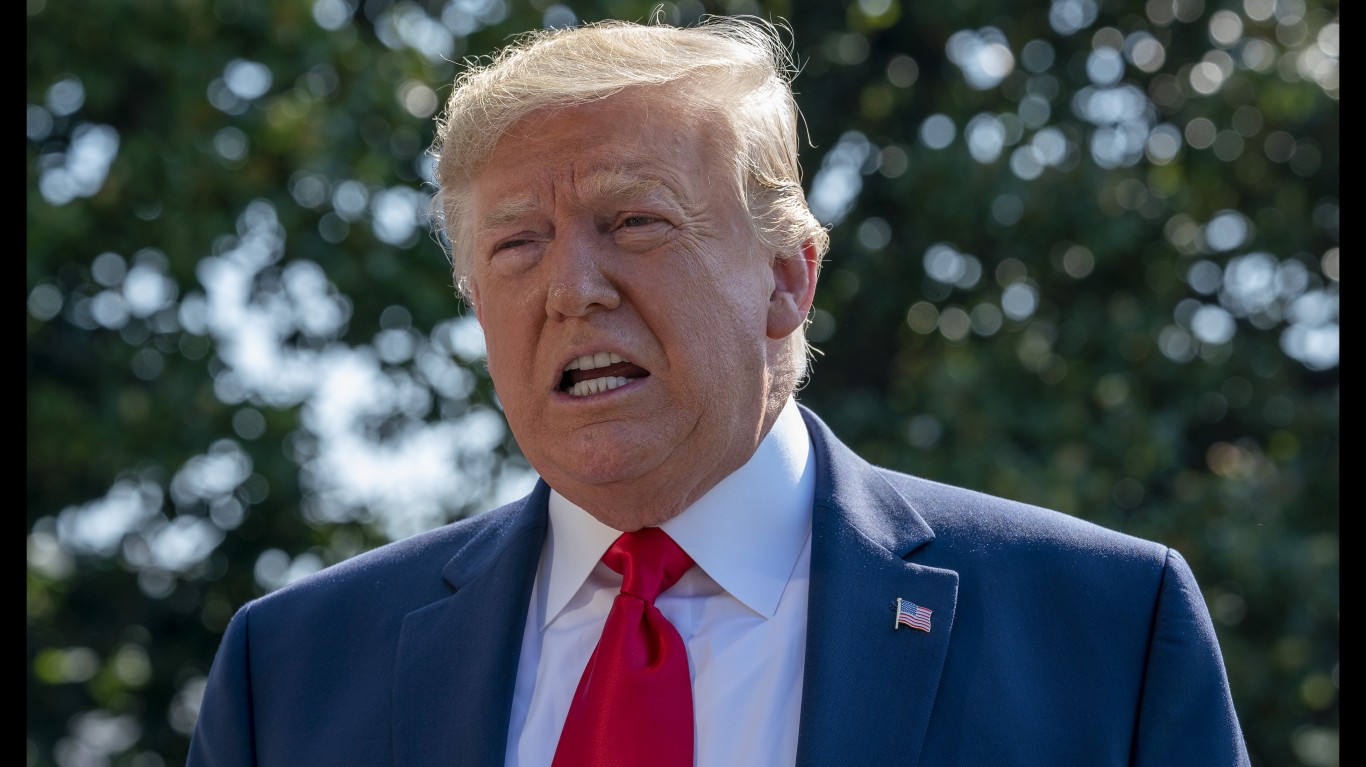
President Trump, talking to Fortune on May 18, 2026, did not bury the lede. “It really pisses me off,” he said of the Supreme Court ruling that struck down roughly half of last year’s Liberation Day tariffs as unconstitutional. The…

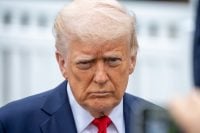
President Trump, talking to Fortune on May 18, 2026, did not bury the lede. “It really pisses me off,” he said of the Supreme Court ruling that struck down roughly half of last year’s Liberation Day tariffs as unconstitutional. The ruling itself he can live with. He says he can rebuild the tariff regime under different statutory authorities, just more slowly. What galls him is the refund.
“Can you imagine, to people who hate us, to countries that ripped us off for years, I’ve got to give them back $149 billion,” he told the magazine. You can read the full interview at Fortune. The framing is worth pausing on, because it contains the central misunderstanding that has shadowed this tariff fight from the start.
Who actually paid, and who gets the check back
Tariffs are collected at the U.S. border from the importer of record. The importer is almost always a U.S. company. That company either eats the cost, passes it to a downstream wholesaler, or builds it into the shelf price. Research, disputed by the White House, indicates that most of the tariffs were actually paid by U.S. companies that imported goods, or by the consumers who bought those goods. Those companies are eligible to claim refunds. So the $149 billion will, in the main, flow to the customs brokers and finance departments of American importers who have spent a year filing protective claims under 19 U.S.C. 1514 and waiting for exactly this outcome.
The macro fingerprints are already in the data. Wholesale trade value is increasing and the wholesale inflation rate is now at 6%, the kind of spike you get when importers front-run a tariff schedule and stuff warehouses.
The budget math just got worse
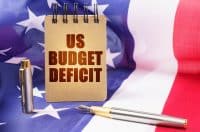
Trump’s own working number is the cleanest way to size the hole. White House trade adviser Peter Navarro estimated $600-700 billion a year in tariff revenue, a figure economists have called widely overstated, and now figures the new sum will be chopped nearly in half. Call it roughly $300 billion in lost annual run-rate, plus the one-time $149 billion walking back out the Treasury door. For a deficit picture already strained, that is real money, roughly the size of a year of federal interest on a couple of mid-sized line items.
Meanwhile corporate America did fine on aggregate. Total corporate profits hit $4,352.1 billion in Q4 2025, up 9.6% year over year. The pain was concentrated. Wholesale profits are volatile due to tariffs, and transportation is getting hammered worldwide due to energy costs. Those are also precisely the sectors holding the largest stacks of refund claims. The refund is, in effect, a retroactive earnings injection for the importers, freight forwarders, and big-box retailers who carried the tariff on their P&L.
What to watch from here
Two things matter for investors. First, the consumer price side of the ledger. CPI has run from 325.252 in January 2026 to 333.020 in April, and a smaller tariff regime should, at the margin, take some pressure off import-heavy goods categories. Second, the legal substitution. Trump says he can reimplement tariffs under different authorities, presumably Section 232, Section 301, and IEEPA in narrower form. Each statute has its own procedural drag, its own litigation surface, and its own product scope. Slower tariffs are still tariffs, just with more lawyers.
The line to remember from the interview is the one about giving the money back. The check is being written. It is mostly being written to American companies. That is the part that pisses him off, and that is the part that matters.
Contact [email protected] for any questions or corrections.
Omor Ibne Ehsan is a writer at 24/7 Wall St. He is a self-taught investor with a focus on growth, cyclical, and dividend equities that have strong fundamentals, value, and long-term potential. He also has an interest in high-risk, high-reward investments such as penny stocks.