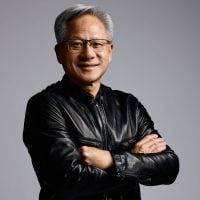
Nvidia CEO Jensen Huang Says AI Job Losses Are Complete Nonsense. He’s Betting on a Hiring Surge Instead.
Jensen Huang just called AI job loss fears complete nonsense on live television, but his reasoning reveals as much about Nvidia's business model as it does about the future of hiring.

This post may contain links from our sponsors and affiliates, and Flywheel Publishing may receive compensation for actions taken through them.
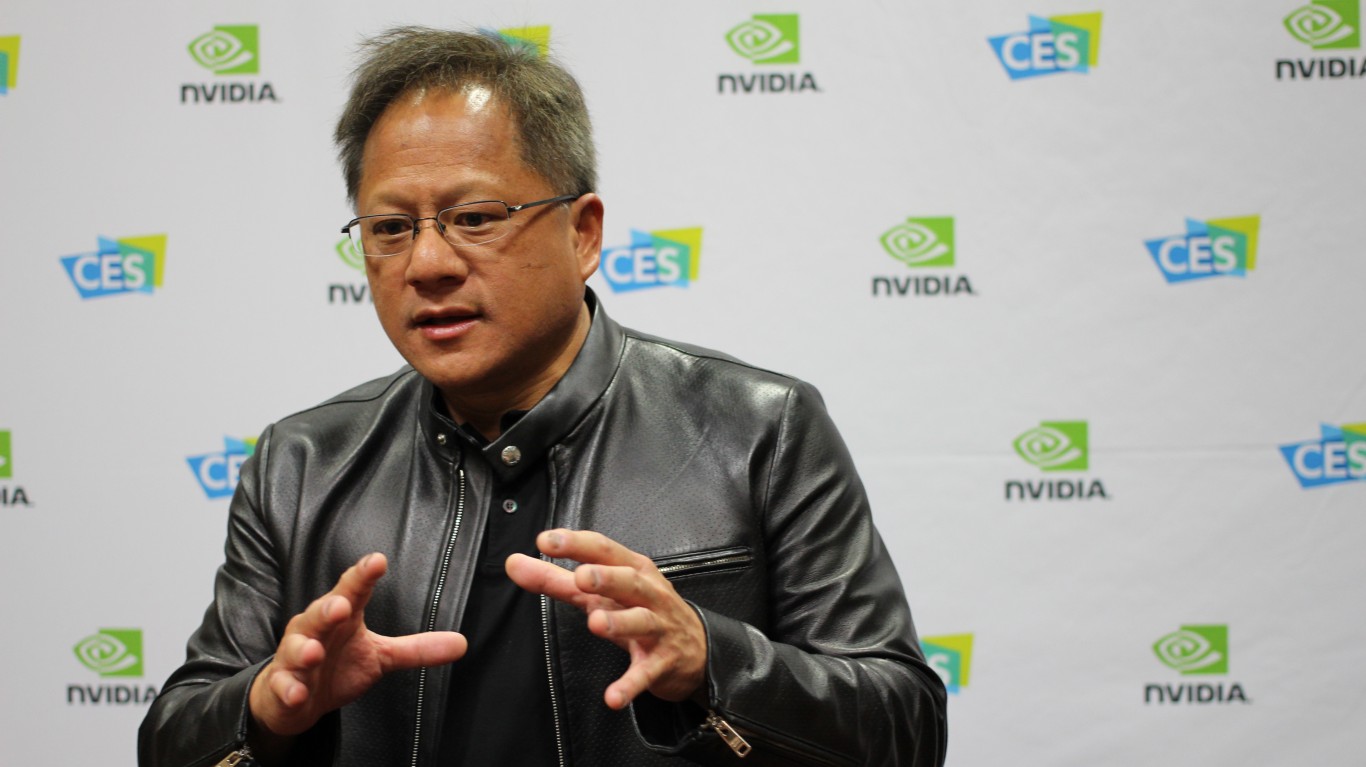
Jensen Huang has spent the last two years saying AI will reshape the economy. On Bloomberg this morning, he sharpened the message into a single line: "People talk about AI reducing jobs. Complete nonsense."
The Nvidia CEO argued the opposite is happening. Software engineering headcount is climbing, he said, because agentic AI turns each engineer into a force multiplier worth hiring more of, not fewer. Huang runs NVIDIA (NASDAQ:NVDA | NVDA Price Prediction), the company selling the picks and shovels for every agentic AI workload on the planet. I’ll get to that conflict of interest in a moment.
The "Complete Nonsense" Argument
Huang’s logic chain runs like this. "The number of engineers, software engineers is actually increasing," he said. Then the kicker: "If you can hire a software engineer and you could generate $9 trillion worth of productive work, why wouldn’t you want to hire more software engineers?"
The $9 trillion figure is Huang’s framing, not a verified number, and worth treating as rhetorical. His point is that when agentic AI tooling makes an engineer dramatically more productive, the rational corporate response is to expand payrolls. "Because the output is so incredible, people want to hire more software engineers. This is going to show up in our economy somehow soon," he added.
The labor data is closer to a flat line than a surge so far. U.S. total nonfarm payrolls were 158,736 thousand in April 2026, fluctuating between 158,436 and 158,736 from January through April. Modest growth, no breakout. Huang is essentially saying: wait for it.
Why It Lines Up With Nvidia’s Business
Huang’s bullish read on AI hiring aligns precisely with what Nvidia sells. If enterprises keep growing engineering teams to build on top of AI infrastructure, demand for GPUs, networking, and AI factories keeps compounding. I’ve owned Nvidia for over 15 years, and the through-line of every Huang appearance is the same: AI is essential infrastructure, more is coming, the buildout is early.
The Q1 FY2027 numbers give that thesis fresh ammunition. Nvidia posted revenue of $81.61 billion, up 85.2% year over year, with Data Center revenue of $75.25 billion (+92% YoY) and non-GAAP EPS of $1.87. The company guided Q2 to $91.0 billion in revenue and disclosed $119.0 billion in total supply-related commitments, per its May 20 8-K filing. The board also raised the dividend from $0.01 to $0.25 and authorized an $80 billion buyback.
On the earnings release, Huang called the AI factory buildout "the largest infrastructure expansion in human history" and said "agentic AI has arrived, doing productive work, generating real value and scaling rapidly across companies and industries." The hiring argument is the labor-market corollary of that capex argument.
The Counterweight
Retail investors are not fully buying it yet. Reddit sentiment captured a 38% drop in H200 GPU rental prices through the second half of May, and threads questioning Huang’s China commentary drew over 400 upvotes. The shares themselves have cooled, with NVDA closing at $211.14 on May 29, up 13% year to date and 52% over the past year.
Prediction markets, on the other hand, are leaning Huang’s way in the short term. Polymarket pricing put 85.0% probability on NVDA hitting $224 in June.
The Read-Through
Huang’s "complete nonsense" line is more than rhetoric. It is the labor-market half of Nvidia’s investment story: agentic AI as a hiring catalyst that keeps engineering headcount climbing, which keeps engineering teams growing and AI infrastructure spending compounding. If you believe Huang’s framing, the picks-and-shovels trade has years left to run. If you think productivity gains eventually translate into headcount cuts, the GPU rental softness in Reddit’s data is the kind of leading indicator worth watching. Either way, Huang has put a stake in the ground, and the next few payroll reports will start telling us who is right.
Contact [email protected] for any questions or corrections.
I've been writing about stocks and personal finance for 20+ years. I believe all great companies are tech companies in the long run, and I invest accordingly.