The S&P 500 Wiped Out $1.4 Trillion in Market Cap After Red-Hot Jobs Report. Here’s Why
Just days after the S&P 500 climbed to a fresh record high as artificial intelligence stocks extended their remarkable rally, investors got a reminder that markets rarely move in a straight line. Friday’s sell-off erased roughly $1.4 trillion in market…

This post may contain links from our sponsors and affiliates, and Flywheel Publishing may receive compensation for actions taken through them.

Just days after the S&P 500 climbed to a fresh record high as artificial intelligence stocks extended their remarkable rally, investors got a reminder that markets rarely move in a straight line. Friday’s sell-off erased roughly $1.4 trillion in market value from S&P 500 companies and marked the benchmark index’s steepest one-day decline since October 2025.
The catalyst wasn’t a recession scare, geopolitical shock, or disappointing earnings season. Instead, it was something that would normally be considered good news: a labor market that suddenly looks far stronger than Wall Street expected.
A Jobs Report That Changed the Narrative
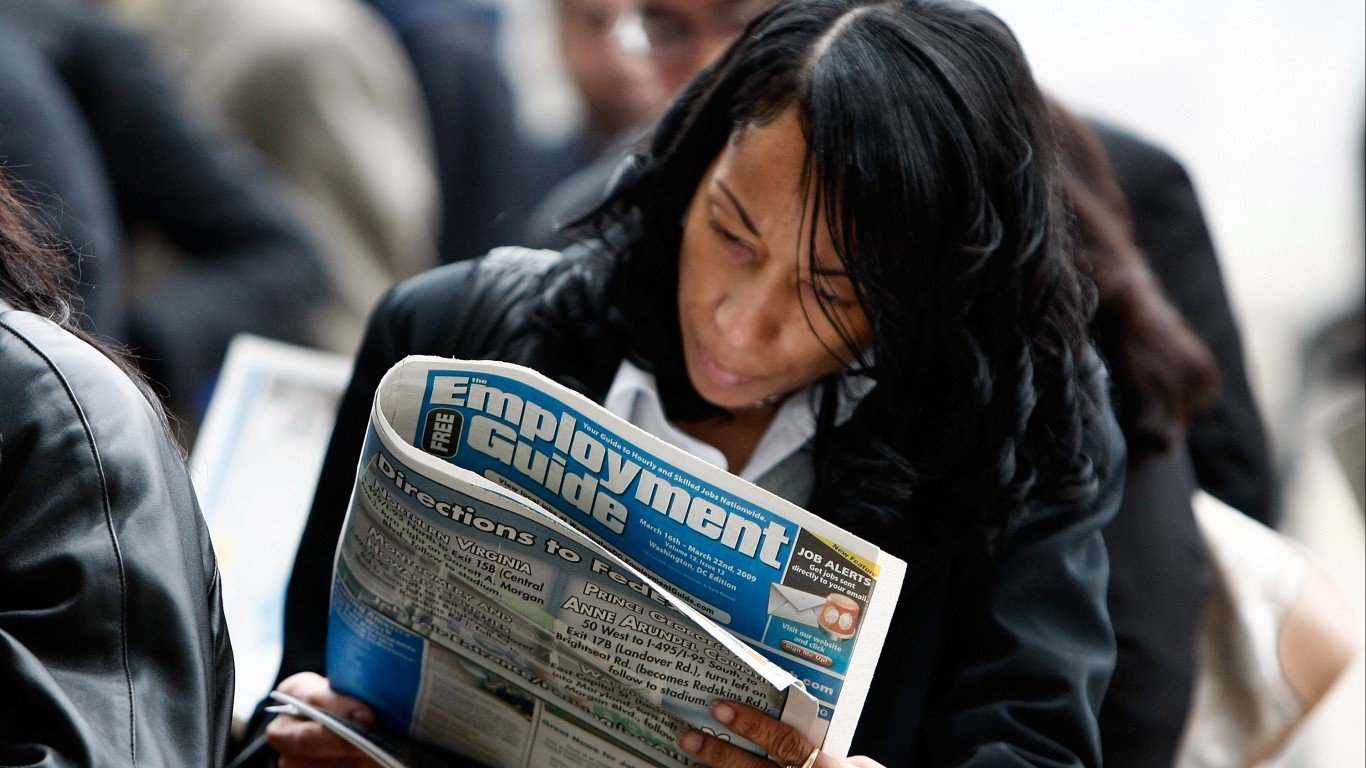
The Bureau of Labor Statistics reported that employers added 172,000 jobs in May while the unemployment rate held steady at 4.3%. Economists had been looking for roughly half that number. The report was one of the strongest employment readings seen over the last 18 months and reinforced a trend that had already begun appearing elsewhere in the labor market.
Earlier in the week, the Labor Department’s JOLTS report showed job openings surged by 731,000 in April to 7.6 million openings, the highest level since May 2024. For months, investors had embraced the view that labor-market weakness would eventually force the Federal Reserve to cut interest rates. Suddenly, that assumption looked shaky.
Even President Donald Trump weighed in after the sell-off, arguing that “stocks should go up, not down” following such strong economic data. Yet the market was focused on something else entirely: what strong hiring means for interest rates.
Good News Became Bad News
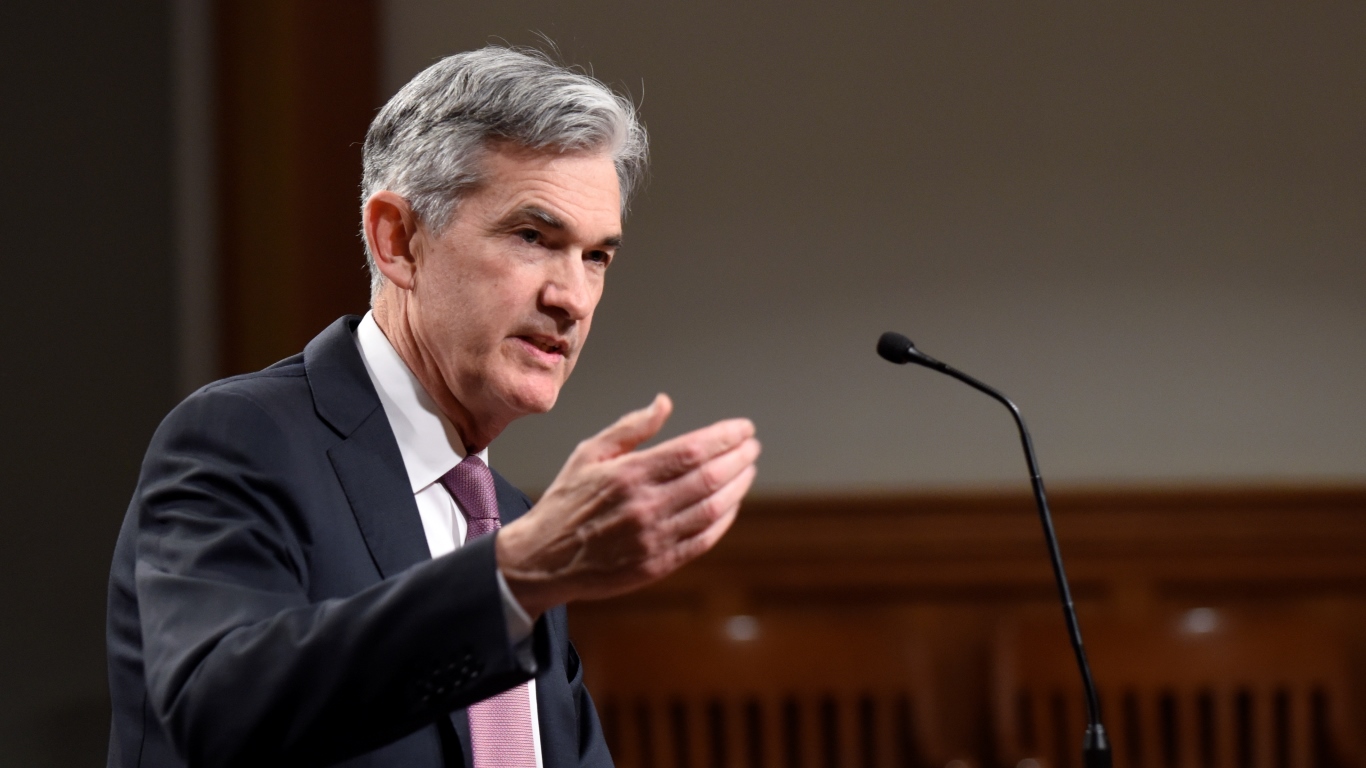
When the Federal Reserve delivered its first rate cut of 2025, policymakers specifically cited growing labor-market concerns. In its statement, the Fed said that “downside risks to employment have risen.”
That was then. Today, inflation has climbed back to roughly 3.8%, helped in part by higher energy prices tied to the ongoing conflict involving Iran. A labor market adding jobs at this pace is the last thing rate-cut advocates wanted to see.
Here’s what the numbers are telling us:
| Then | Now |
| Markets expected up to 4 rate cuts in 2026 | Markets increasingly price in rate hikes |
| Labor market seen as weakening | Labor market appears resilient |
| Fed worried about employment risks | Fed increasingly focused on inflation |
| Bond yields rising | Treasury yields rising |
The bond market reacted immediately. Treasury yields jumped as traders repriced expectations for Federal Reserve policy. Futures markets that recently anticipated multiple rate cuts are now assigning meaningful odds to rate hikes extending into 2027. Reuters reported that investors are increasingly concerned the Fed may need to tighten policy again if inflation and employment remain firm.
AI Funding Fears Added Fuel to the Fire
The jobs report wasn’t the only headwind. The Financial Times reported that Meta Platforms (NASDAQ:META | META Price Prediction) is exploring a stock offering worth tens of billions of dollars to help fund AI infrastructure investments. That follows Alphabet‘s (NASDAQ:GOOG) massive $85 billion equity raise and comes as investors prepare for two enormous IPOs: SpaceX at a projected $1.75 trillion valuation and Anthropic at a projected $1.8 trillion valuation.
That’s a lot of stock supply. Institutional investors don’t have unlimited capital. When giant offerings arrive, funds often sell existing holdings to create room. Investors are increasingly asking whether Big Tech will continue issuing shares to finance the AI arms race.
That concern arrived just as many AI stocks were trading near all-time highs.
Key Takeaway
In short, Friday’s sell-off was less about the jobs report and more about what the report means for interest rates. Strong employment data, rising job openings, and inflation running near 3.8% have forced investors to reconsider the path of Federal Reserve policy.
Granted, a 2.6% decline feels painful after a record-setting rally. But markets had climbed more than 20% in roughly two months, and expectations for rate cuts had become deeply embedded in stock prices.
Ultimately, the market wasn’t reacting to economic weakness. It was reacting to economic strength that may keep borrowing costs higher for longer. For long-term investors, that’s an important distinction. The economy remains resilient. The question now is whether stock valuations can remain elevated if interest rates do the same.
Contact [email protected] for any questions or corrections.
After two decades of patrolling the dark corners of suburbia as a police officer, Rich Duprey hung up his badge and gun to begin writing full time about stocks and investing. For the past 20 years, he’s been cruising the markets looking for companies to lock up as long-term holdings in a portfolio while writing extensively on the broad sectors of consumer goods, technology, and industrials. Because his experience isn’t from the typical financial analyst track, Rich is able to break down complex topics into understandable and useful action points for the average investor. His writings have appeared on The Motley Fool, InvestorPlace, Yahoo! Finance, Money Morning, and, of course, 24/7 Wall St. He has been featured in both U.S. and international publications, including MarketWatch, Financial Times, Forbes, Fast Company, and USA Today.