Awkward! Kevin Warsh May Hike Interest Rates as Fed Chair, Not Cut Them
For most of the past year, investors have treated Federal Reserve rate cuts like an inevitability. The only debate seemed to be whether the Fed would trim rates two times or four times in 2026. That narrative is suddenly looking…

For most of the past year, investors have treated Federal Reserve rate cuts like an inevitability. The only debate seemed to be whether the Fed would trim rates two times or four times in 2026. That narrative is suddenly looking fragile.
Yesterday’s Consumer Price Index (CPI) report came in above Wall Street expectations, and this morning’s Producer Price Index (PPI) report ran even hotter. Together, the two inflation gauges delivered a message bond markets understood immediately: inflation is not done fighting.
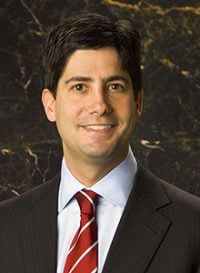
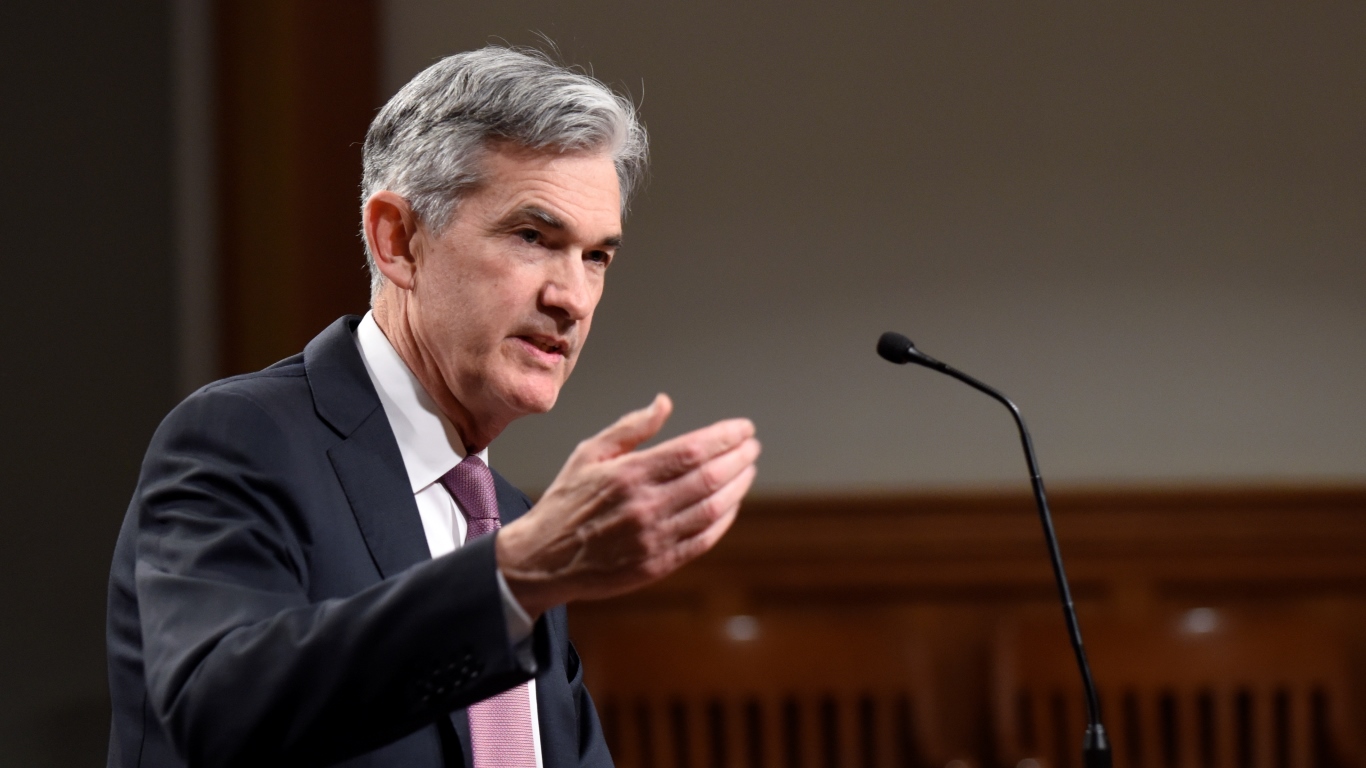
That creates an awkward backdrop for Kevin Warsh, who was just approved by the Senate to join the Federal Reserve Board of Governors and is widely expected to soon replace Jerome Powell as Fed chair. Ironically, the man many investors expected to champion aggressive rate cuts may instead find himself considering hikes.
Inflation Is Heating Up Again
According to the latest data release from the Bureau of Labor Statistics, headline CPI rose 3.8% year over year, topping economist forecasts of 3.7%. Core CPI — which strips out food and energy prices — climbed 2.8%.
If that was not enough, the PPI report released this morning showed wholesale inflation rising 6.0% annually. Economists surveyed by Bloomberg had expected 4.9%.
That means businesses are paying more for goods and services before those costs even reach consumers. Historically, hot PPI numbers often filter into future CPI reports because companies eventually pass along at least part of those costs.
The bond market reacted quickly:
| Metric | One Month Ago | Today |
| 10-Year Treasury Yield | 4.29% | 4.49% |
| 2-Year Treasury Yield | 3.77% | 4.02% |
| Fed Funds Futures Pricing | 3 rate cuts expected | 1 cut expected |
Source: CME FedWatch Tool, U.S. Treasury data
Surprisingly, markets are now beginning to price in the possibility that the Fed’s next move could actually be a rate increase rather than a cut.
Kevin Warsh May Be Walking Into a Policy Trap
That matters because Warsh was widely viewed as a more market-friendly pick by President Trump, who repeatedly criticized Powell for keeping interest rates too high for too long and pushed for faster easing to stimulate economic growth.
Warsh’s background seemed to fit that agenda. During his previous stint at the Fed from 2006 to 2011, Warsh often emphasized financial market stability and economic growth concerns. Investors interpreted his return as a sign the Fed might lean more dovish.
Now he may inherit the opposite problem. Here are the inflation pressures building simultaneously across the economy:
- Brent crude is above $107 per barrel, WTI is over $102 per barrel
- Average hourly earnings fell 0.3% year over year in the latest jobs report
- Shelter inflation doubled in April
- U.S. fiscal deficits are running above $1.7 trillion annually, according to the Congressional Budget Office
In any case, inflation running near 4% while unemployment remains at 4.3% is not an environment where central bankers usually cut rates aggressively.
Granted, Warsh may still prefer looser monetary policy over time. But Fed chairs do not operate in a vacuum. They react to incoming data, and right now the data is turning hostile to rate cuts.
Investors Should Watch the Bond Market Closely
The real story here is not just about Warsh. It is about whether inflation expectations are becoming unanchored again.
The Fed’s benchmark interest rate currently sits between 5.25% and 5.50%. For comparison:
| Period | Fed Funds Rate | CPI Inflation |
| June 2022 | 1.75% | 9.1% |
| July 2023 | 5.50% | 3.2% |
| Today | 5.50% | 3.8% |
Source: Federal Reserve, Bureau of Labor Statistics
Regardless of how you look at it, inflation progress has stalled. Worse, it may be reversing. That puts rate-sensitive sectors back under pressure:
- Homebuilders face renewed mortgage-rate headwinds
- Regional banks may see funding costs rise again
- High-growth technology stocks trading at elevated valuations could face compression
Meanwhile, cash-heavy savers and short-duration Treasury investors continue benefiting from yields above 4%.
That said, markets are also learning an important lesson: a strong economy can coexist with higher rates longer than many expected. U.S. GDP growth has remained around 2%, consumer spending has held firm, and corporate earnings for the S&P 500 have continued expanding despite elevated borrowing costs.
Key Takeaway
In short, Kevin Warsh may become Fed chair at precisely the wrong moment for anyone hoping for rapid rate cuts.
The hotter-than-expected CPI and PPI reports changed the conversation fast. Investors entered 2026 expecting monetary easing. Now markets are debating whether the Fed may need to tighten again to prevent inflation from regaining momentum.
When all is said and done, investors should not focus solely on who leads the Fed. The inflation data matters more than the personality behind the podium. Regardless, if inflation continues running near 4% while economic growth remains firm, even a Fed chair chosen with cuts in mind may be forced to raise rates instead.
That possibility is no longer theoretical. Bond markets are already preparing for it.
Contact [email protected] for any questions or corrections.
After two decades of patrolling the dark corners of suburbia as a police officer, Rich Duprey hung up his badge and gun to begin writing full time about stocks and investing. For the past 20 years, he’s been cruising the markets looking for companies to lock up as long-term holdings in a portfolio while writing extensively on the broad sectors of consumer goods, technology, and industrials. Because his experience isn’t from the typical financial analyst track, Rich is able to break down complex topics into understandable and useful action points for the average investor. His writings have appeared on The Motley Fool, InvestorPlace, Yahoo! Finance, Money Morning, and, of course, 24/7 Wall St. He has been featured in both U.S. and international publications, including MarketWatch, Financial Times, Forbes, Fast Company, and USA Today.