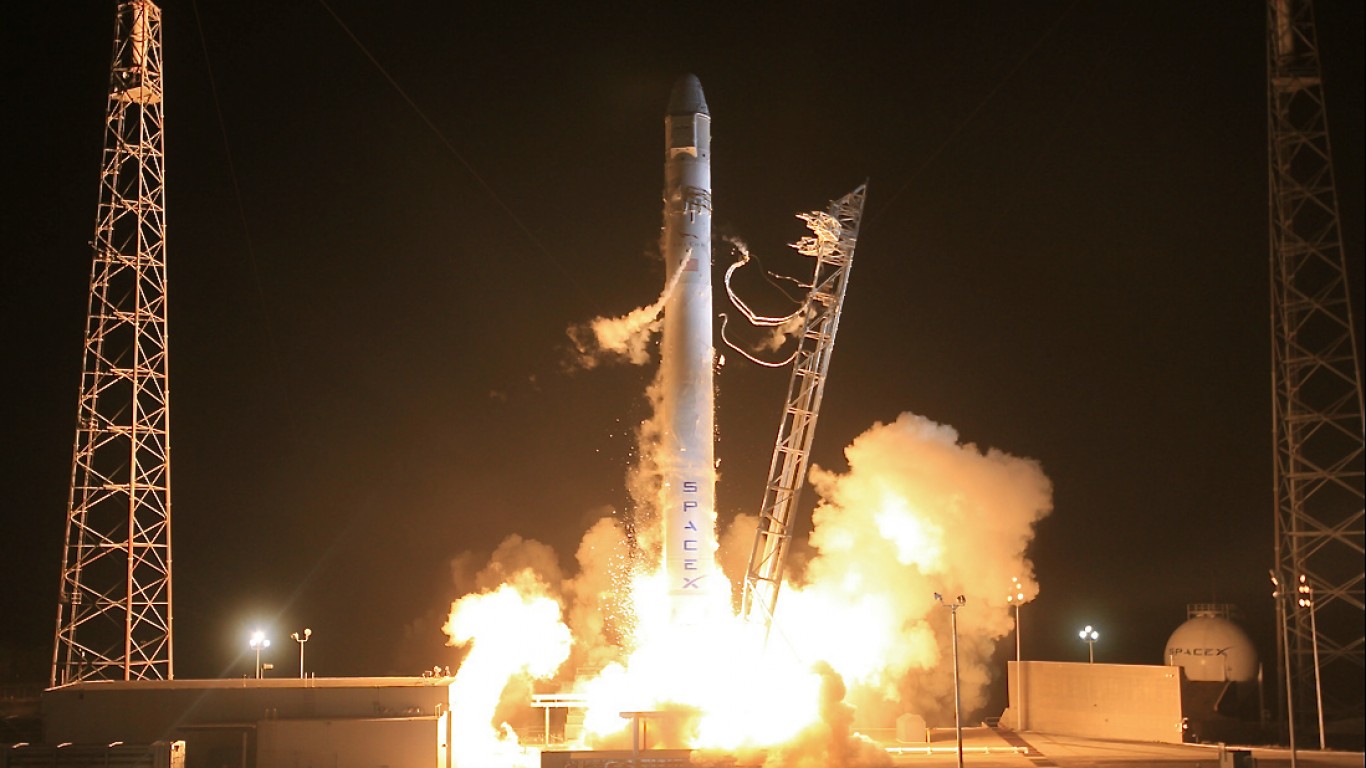
“Wait for the First Dip and Then Come In.” How Wall Street Experts Are Playing the SpaceX IPO.
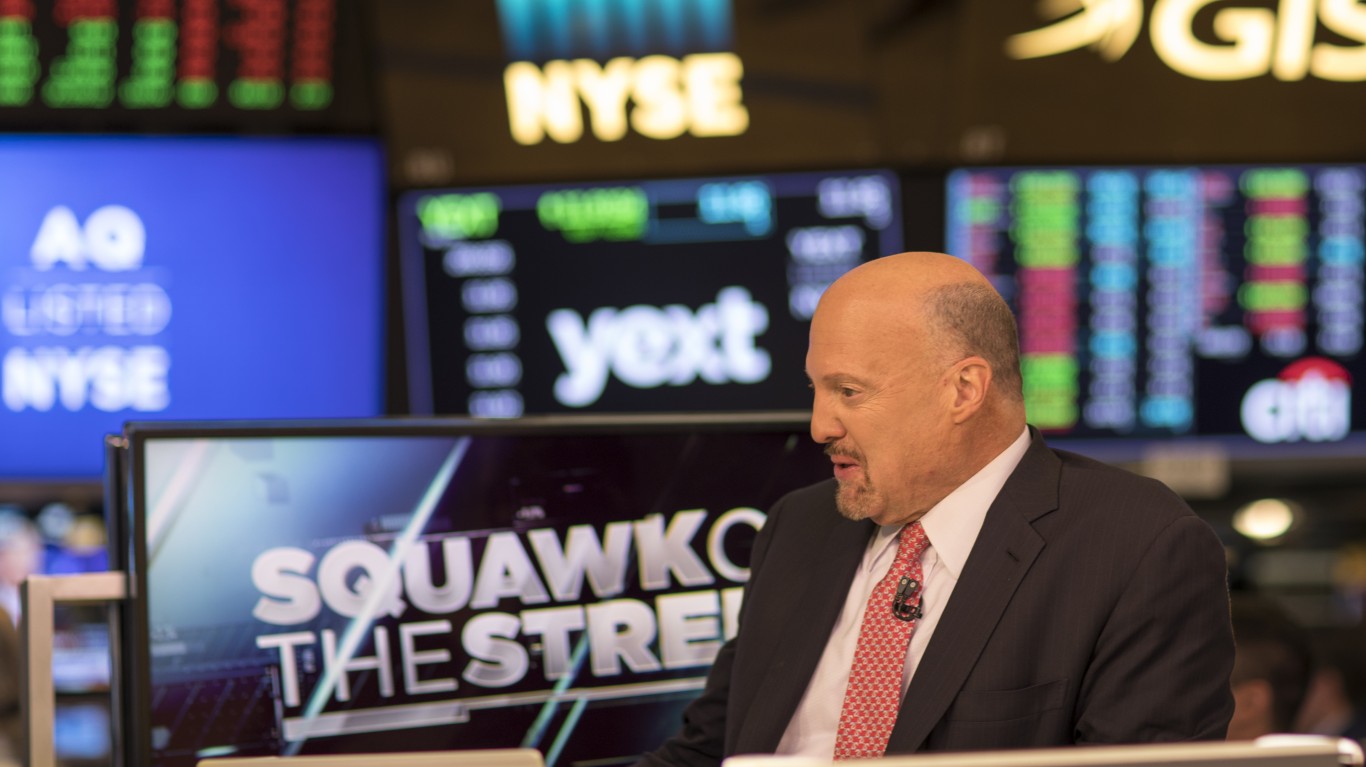
While much of the market is gearing up to chase the SpaceX listing on day one, Constellation Research Chairman Ray Wang appeared on CNBC’s Squawk Box this morning, June 5, with a different message for retail investors: “I would actually…

This post may contain links from our sponsors and affiliates, and Flywheel Publishing may receive compensation for actions taken through them.
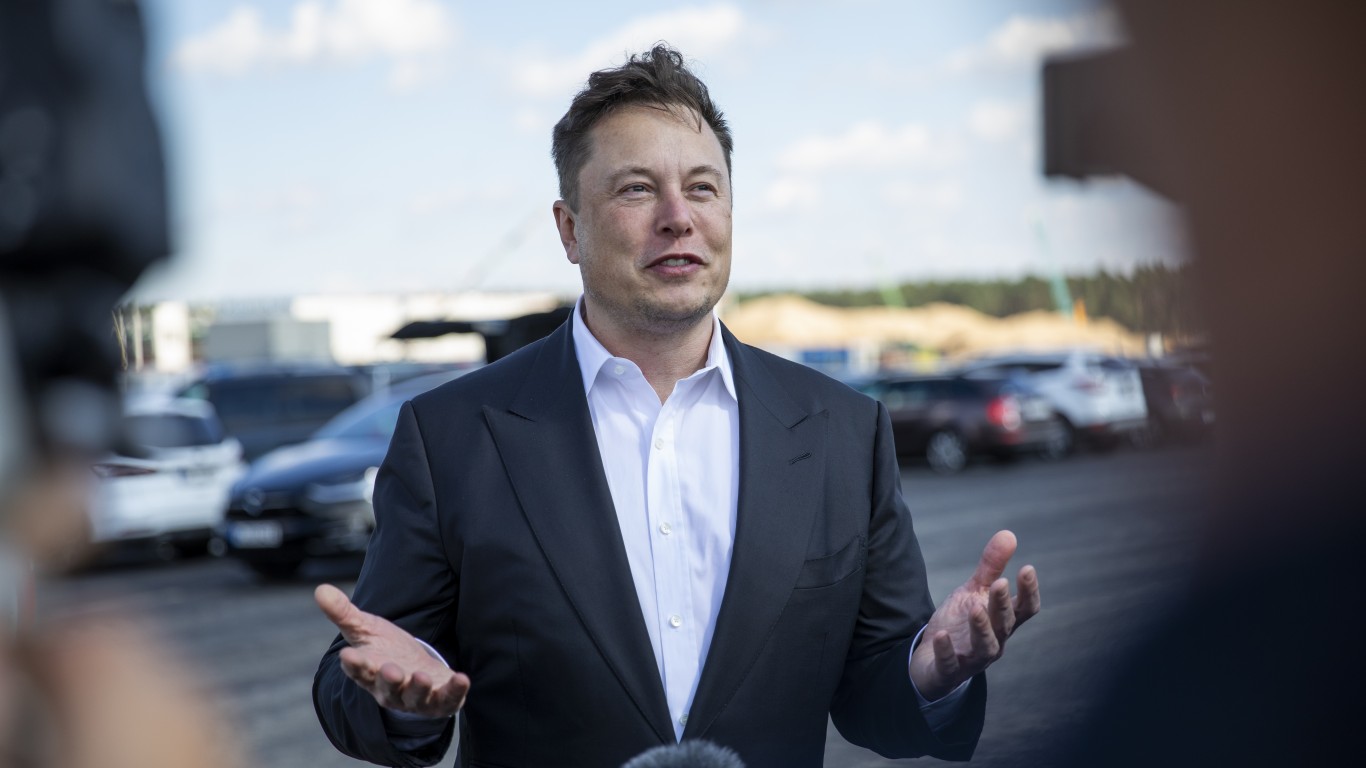
While much of the market is gearing up to chase the SpaceX listing on day one, Constellation Research Chairman Ray Wang appeared on CNBC’s Squawk Box this morning, June 5, with a different message for retail investors: “I would actually wait for the IPO and wait for the first dip and then come in,” Wang said. That discipline-over-FOMO playbook is the spine of his thesis, and it carries real implications for Tesla (NASDAQ:TSLA | TSLA Price Prediction) shareholders, the only publicly traded vehicle currently offering anything close to exposure to Elon Musk.
The “Wait for the Dip” Playbook
Wang’s call is grounded in the mechanics SpaceX itself disclosed. SpaceX’s S-1 confirms a 366-day lock-up, with Goldman Sachs (NYSE:GS) as lead underwriter, and 100% of the Founder’s shares are restricted with no early release provisions. Combine that tight float with roughly 30% of SpaceX’s float expected to be held by retail investors, and you have textbook conditions for an exaggerated open. SpaceX’s filing flags the potential for early share-price volatility.
The setup is also visible in the adjacent sentiment. Polymarket prediction markets currently assign a 92% probability that SpaceX will command a higher valuation than Tesla by June 30, and Tesla’s own composite sentiment score sits at 33.26 (bearish, medium confidence), with a 30-day change of -19.12 points. Investors are bracing for volatility in both Tesla and SpaceX.
The Facebook Precedent
Wang reached for a historical analogy: “It’s going to be like Facebook. When you think Facebook came out, it was on a high, then it dipped, and it’s going to come back, and you’re going to get.” The pattern he’s describing might be familiar to anyone who was investing in 2012, when there were hyped mega-cap IPOs, front-loaded euphoria, early disappointment, then years of compounding for patient buyers as the float normalized and the business delivered. Wang presents this as an analogy, not a guarantee, that SpaceX could follow a similar arc.
The Tesla Merger Wild Card
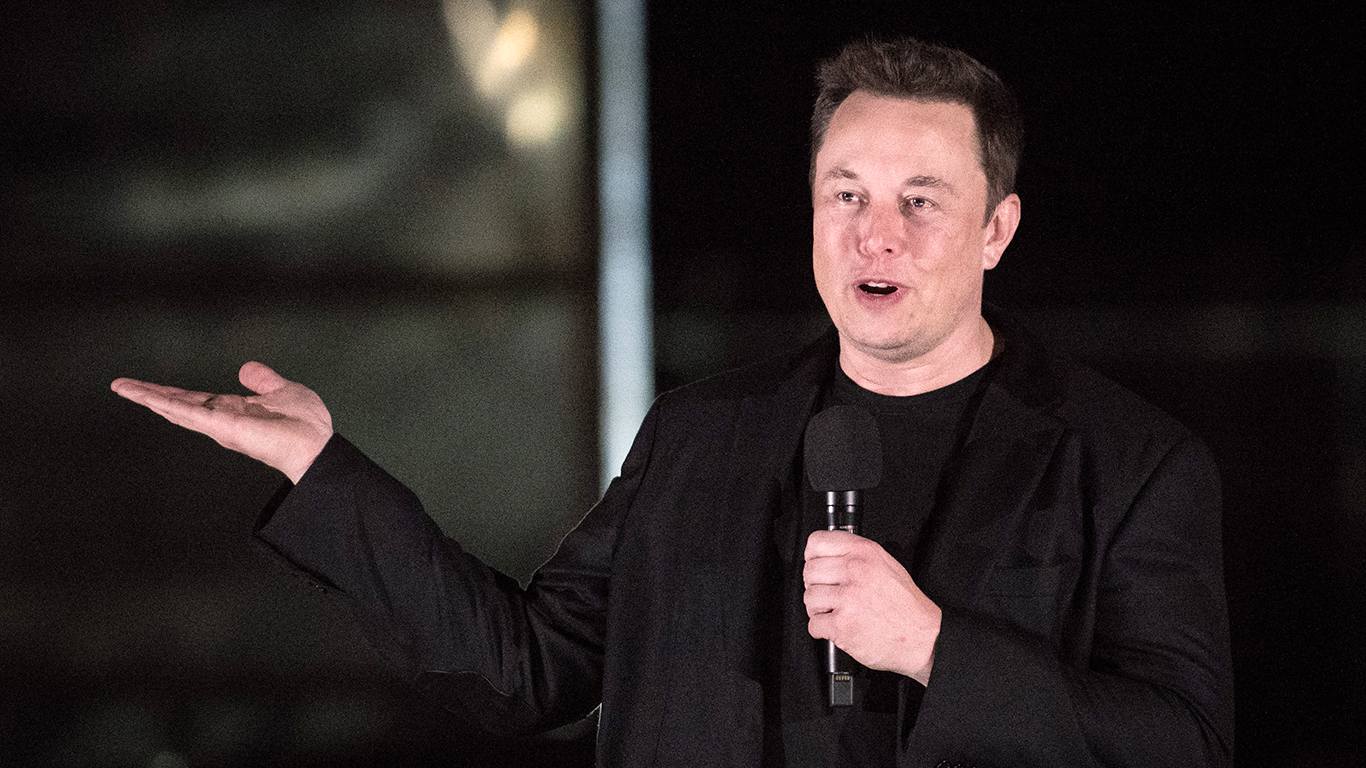
The boldest part of Wang’s framework is speculative, and Tesla shareholders should treat it that way. He sketched a scenario in which Musk eventually merges SpaceX (with an estimated $1.8 trillion valuation) and Tesla ($1.6 trillion) into a single entity. “They would make them a $3.5 trillion company. And that would actually give them 82% control of the stock,” Wang said.
His read on the incentive: “If you understand the compensation plan that’s on the AI awards and the CEO awards on the CEO compensation awards at Tesla, having SpaceX by Tesla, I do not think ultimately would grant him all of those awards.” Tesla has already disclosed a $2 billion equity investment in SpaceX and a semiconductor research fab partnership at Gigafactory Texas in its Q1 2026 filing. Polymarket assigns a 43% probability to the merger announcement by year-end and just 3% by June 30. Wang’s scenario remains a thesis without any announced deal.
The Broader IPO and Semiconductor Backdrop
Wang frames SpaceX as the anchor that sets valuation tone for the next wave. “I think it’s important that the most profitable one goes public first because it will set the stage. So SpaceX going first is great. Anthropic is probably going to go next,” he said, with OpenAI still restructuring financing behind them.
The fuel is there. Wang cites roughly $7.78 trillion in cash currently sitting in money market funds, and he projects semiconductor prices to be 30% higher within one year as the GPU-to-TPU conversion race accelerates and sovereign AI becomes a national security priority. That forecast reflects his own view.
The takeaway for investors is straightforward: Wang sees opportunities in both the SpaceX IPO and a potential Tesla-SpaceX combination, but he is not advocating chasing either story. He expects SpaceX shares to pull back in the weeks after listing, creating a potentially better entry point for long-term investors. For those interested in the merger thesis, Tesla remains the only publicly traded way to gain exposure today. In a market driven by excitement around AI and IPOs, Wang’s message is surprisingly simple: stay patient and wait for opportunities rather than buying into the initial frenzy.
Contact [email protected] for any questions or corrections.
Thomas Richmond is a financial writer and content strategist with 5+ years of experience covering stocks and financial markets. He has published over 500 articles focused on individual stock analysis, helping investors better understand business fundamentals, stock valuations, and long-term opportunities.
Thomas previously served as a Content Lead at TIKR, a stock research platform, where he helped scale the company’s blog to hundreds of articles per month and contributed to a weekly newsletter reaching more than 100,000 investors.
Outside of work, Thomas enjoys weight lifting and soccer.