From $1,000 to $17,070: How Super Micro Computer Became an AI Infrastructure Juggernaut in Ten Years
From Niche Server Builder to AI Infrastructure Powerhouse A decade ago, Super Micro Computer (NASDAQ:SMCI | SMCI Price Prediction) was a quiet Silicon Valley server maker most investors had never heard of. Then the generative AI boom hit, NVIDIA (NASDAQ:NVDA)…

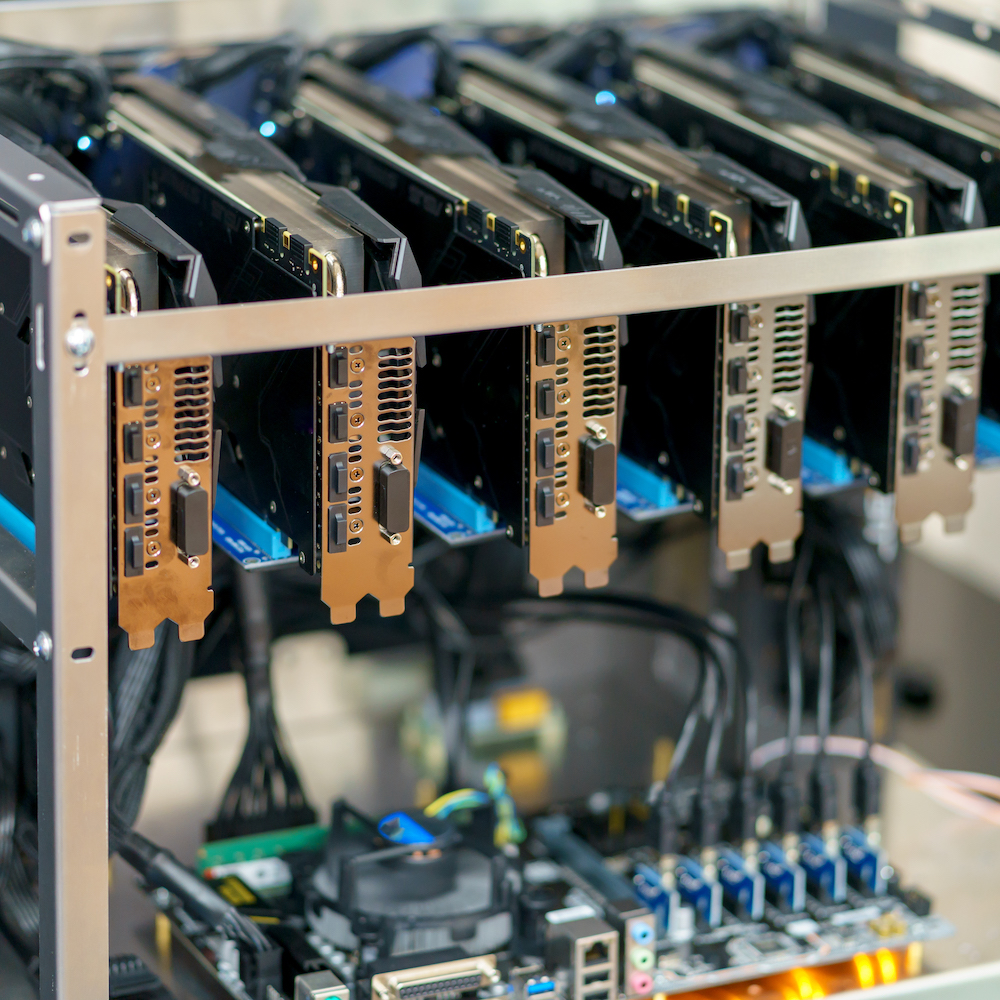
From Niche Server Builder to AI Infrastructure Powerhouse
A decade ago, Super Micro Computer (NASDAQ:SMCI | SMCI Price Prediction) was a quiet Silicon Valley server maker most investors had never heard of. Then the generative AI boom hit, NVIDIA (NASDAQ:NVDA) GPUs became the most coveted silicon on earth, and Supermicro’s modular, liquid-cooled server racks became the shovel of choice. The stock got added to the S&P 500 in March 2024, completed a 10-for-1 split in October 2024, and ran into a brutal governance crisis. A Hindenburg short report, an Ernst & Young resignation, and a Nasdaq delisting threat all hit within months. Founder-CEO Charles Liang hired BDO, filed the delayed reports, and pushed the company toward what he now calls a “total datacenter infrastructure provider” built around DCBBS, its Datacenter Building Block Solutions platform.
FY2025 revenue still landed at $21.97B, up 47% year over year, and the order book carries more than $13B in Blackwell Ultra orders. The drama and the demand are running in parallel.
Your $1,000 Became $17,070 (If You Could Hold On)
1-Year Return
- Initial Investment: $1,000
- Current Value: $1,058.70
- Total Return: 5.87%
- S&P 500 (same period): $1,233.80 (23.38%)
5-Year Return
- Initial Investment: $1,000
- Current Value: $12,115.10
- Total Return: 1,111.51%
- Annualized Return: roughly 64.7%
- S&P 500 (same period): $1,753.20 (75.32%)
10-Year Return
- Initial Investment: $1,000
- Current Value: $17,070.20
- Total Return: 1,607.02%
- Annualized Return: roughly 32.8%
- S&P 500 (same period): $3,518.90 (251.89%)
A 17-bagger in ten years sounds clean on paper, but the ride was violent. SMCI traded near $47.91 in August 2025, then bled to a 52-week low of $19.48 as the export-control review and margin compression rattled holders. The five-year run still smoked the S&P, but the past year barely kept up with cash. I’d put $1,000 into Supermicro today if you can handle the volatility.
The Bull and Bear Case From Here
The bull case for Supermicro rests on AI capex staying vertical and DCBBS letting the company defend its mid-single-digit margins as it scales toward management’s $38.9B to $40.4B FY2026 revenue guide. A forward P/E near 15 on that growth is genuinely cheap if the numbers hold.
The bear case centers on the board’s independent review of export-control matters turns up something ugly, or if $8.8B in debt and an 11.1% gross margin collide with a hyperscaler pricing war. The reward profile justifies the risk only for investors who can stomach another 50% drawdown without flinching.
Contact [email protected] for any questions or corrections.
Alex Sirois is a financial writer with experience spanning both retail and institutional investing. He has written for InvestorPlace and held roles at BNY Mellon and Bernstein, giving him a perspective that bridges Main Street portfolios and Wall Street analysis.
Alex holds an MBA from George Washington University and has built his career across multiple industries, including e-commerce, education, and translation — a breadth of experience that informs how he breaks down complex financial topics for everyday investors. His writing is conversational, actionable, and grounded in long-term, buy-and-hold investing principles.
At 247 Wall St., Alex focuses on delivering analysis that is both accessible and useful, with a clear emphasis on helping readers make more informed decisions with their money.