Batteries Beat the S&P 500: BATT Is Up 25% While SPY Hugs 11%
The headline number you may have seen is generous. Through the close on June 10, 2026, the Amplify Lithium & Battery Technology ETF (NYSEARCA:BATT) is up about 10% year to date, while the SPDR S&P 500 ETF Trust (NYSEARCA:SPY) has…


The headline number you may have seen is generous. Through the close on June 10, 2026, the Amplify Lithium & Battery Technology ETF (NYSEARCA:BATT) is up about 10% year to date, while the SPDR S&P 500 ETF Trust (NYSEARCA:SPY) has returned about 6%. That is a real gap, though smaller than the 25 versus 11 some screenshots have been passing around. The cleaner number to anchor on is the one-year window, where BATT is up about 71% against SPY’s roughly 20%. A $10,000 stake in BATT on June 10, 2025, when shares traded at $8.91, is worth about $17,100 today. The same $10,000 in SPY is worth about $12,000.
Both calculations are price-only. BATT pays distributions, so a true total return number would be slightly higher, but the shape of the story does not change. Battery materials beat the broad market by a wide margin over the last twelve months, and that outperformance is concentrated, fragile, and almost entirely about one commodity.
What Is Actually Inside the Fund
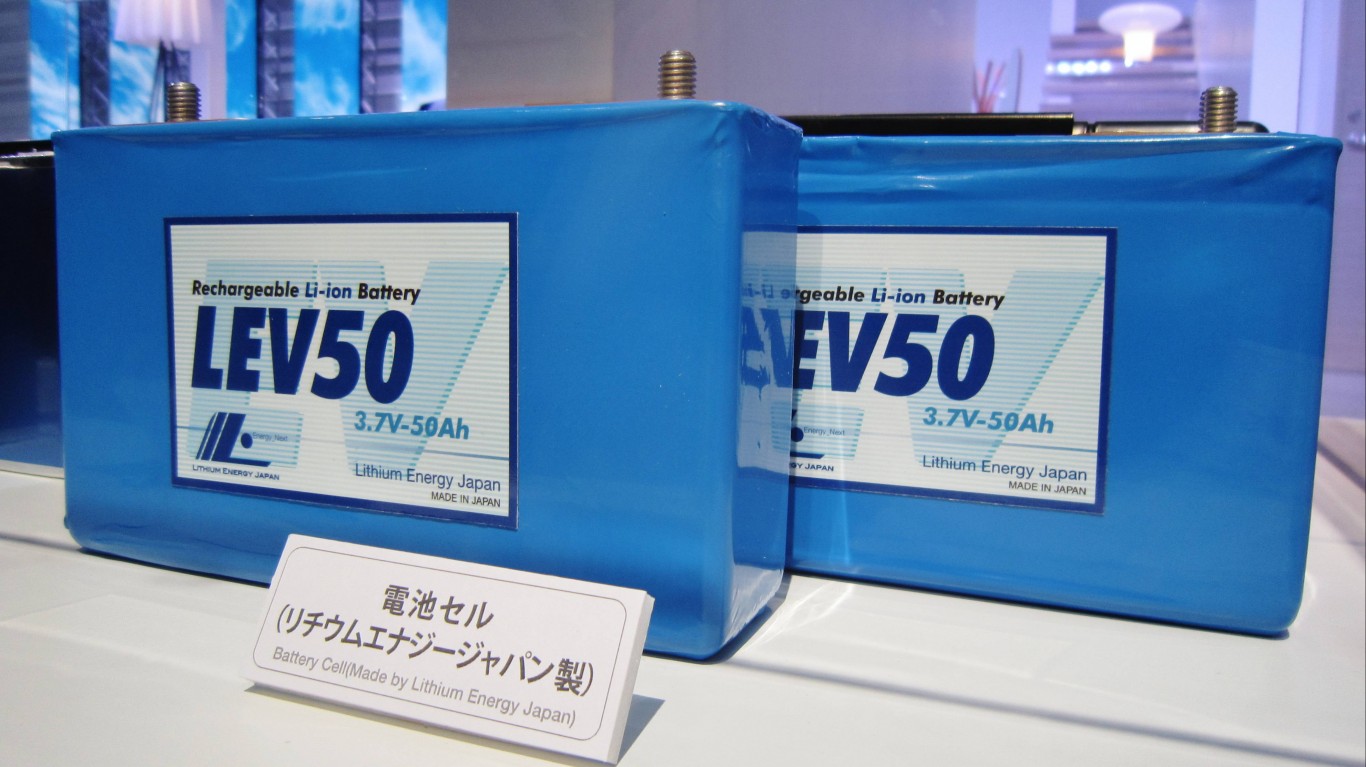
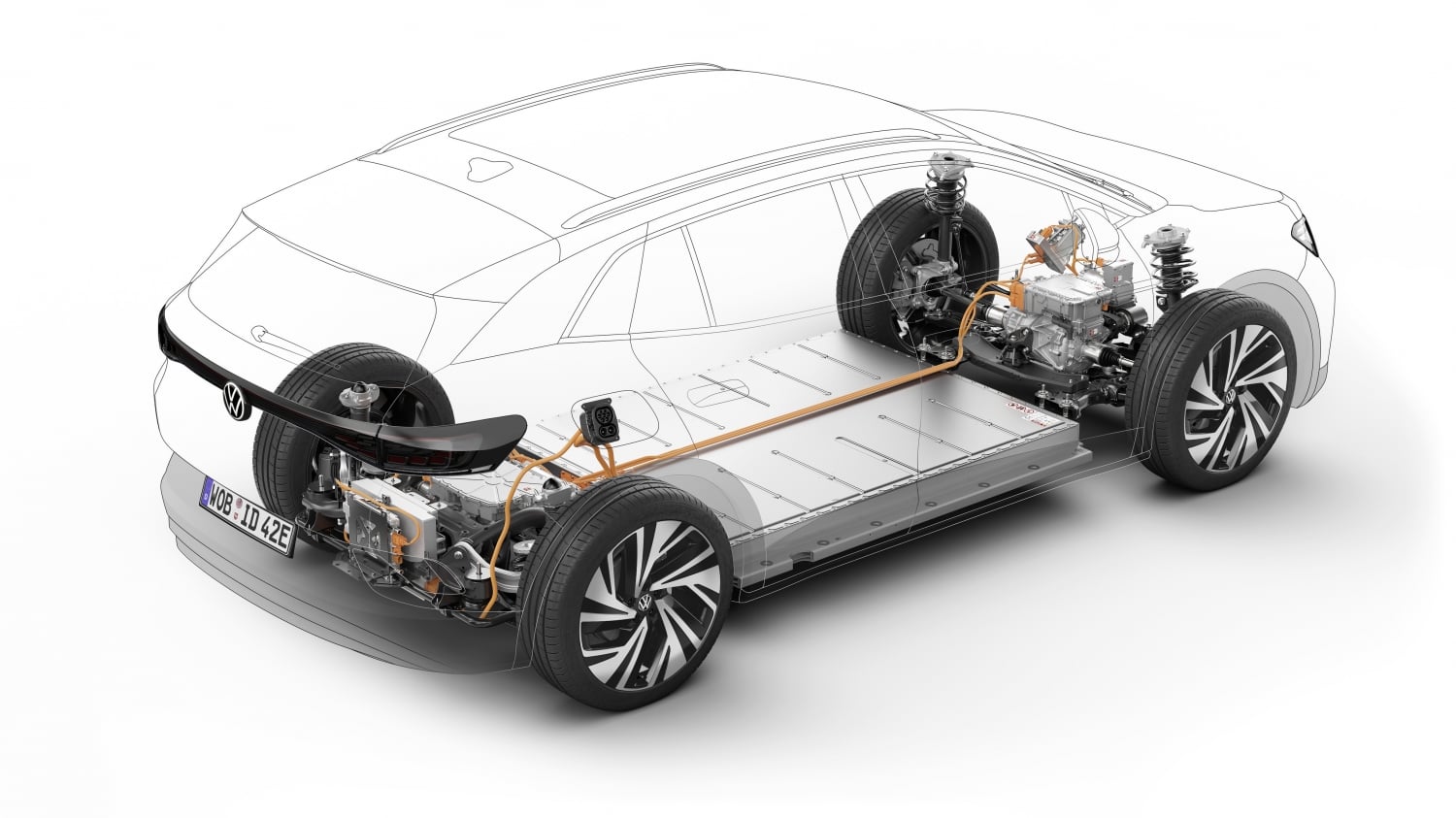
BATT is a thematic basket of lithium miners, battery makers, EV manufacturers, and the industrial metals companies feeding them. Per the most recent fact sheet, the top holdings include Contemporary Amperex Technology at 8.0%, BHP Group at 6.9%, Tesla at 6.7%, BYD at 6.5%, and Freeport-McMoRan at 5.2%. Albemarle (NYSE:ALB | ALB Price Prediction) is the ninth-largest position at 2.2%. The sector mix leans heavily on materials at 55.2%, with consumer discretionary at 23.2% and industrials at 17.1%. The fund holds about $108.3 million in net assets and charges 0.59%. It is not a household-size ETF, and that matters when sentiment turns.
SPY, by contrast, is a market-cap-weighted slice of the U.S. economy where the largest positions are the mega-cap technology names. The two funds are not really comparable except as a way to measure how much a focused commodity bet can pull away from the index when the commodity cooperates.
The Lithium Price Did the Work
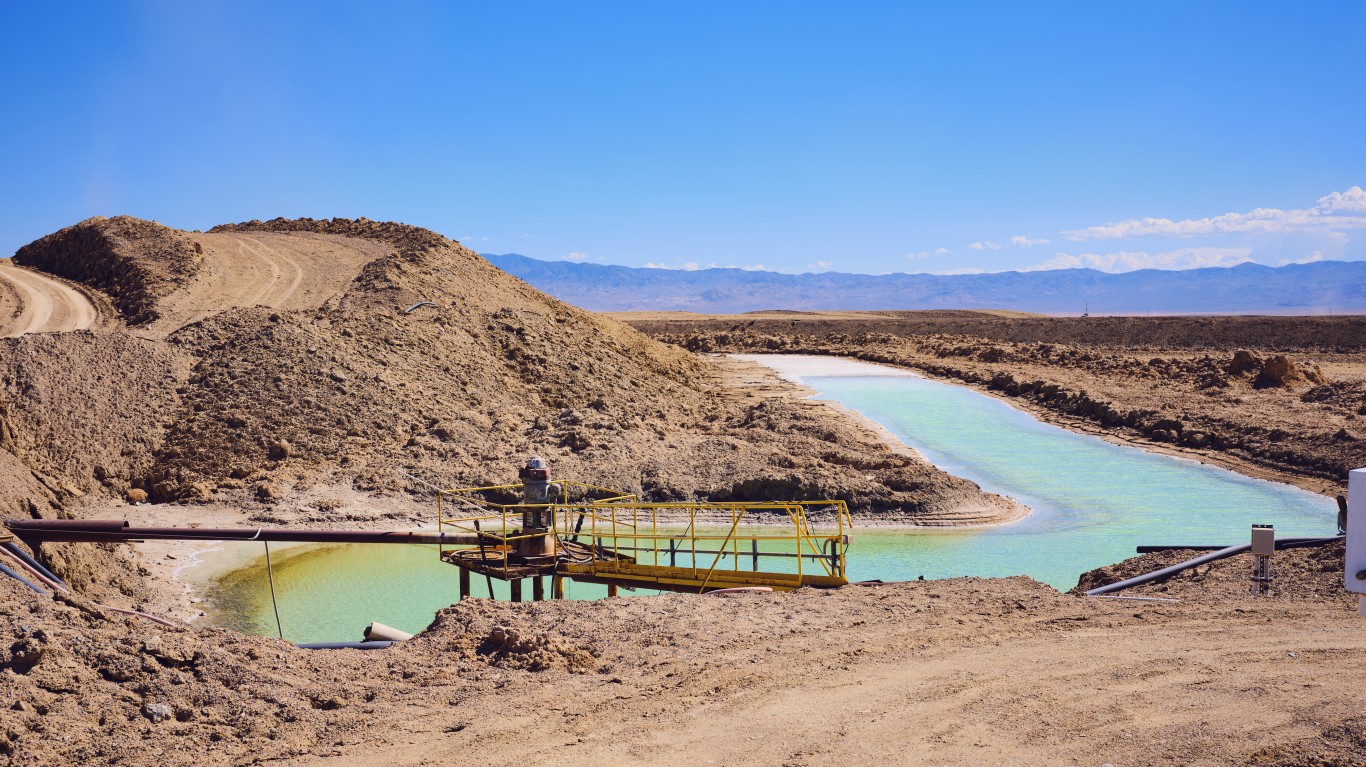
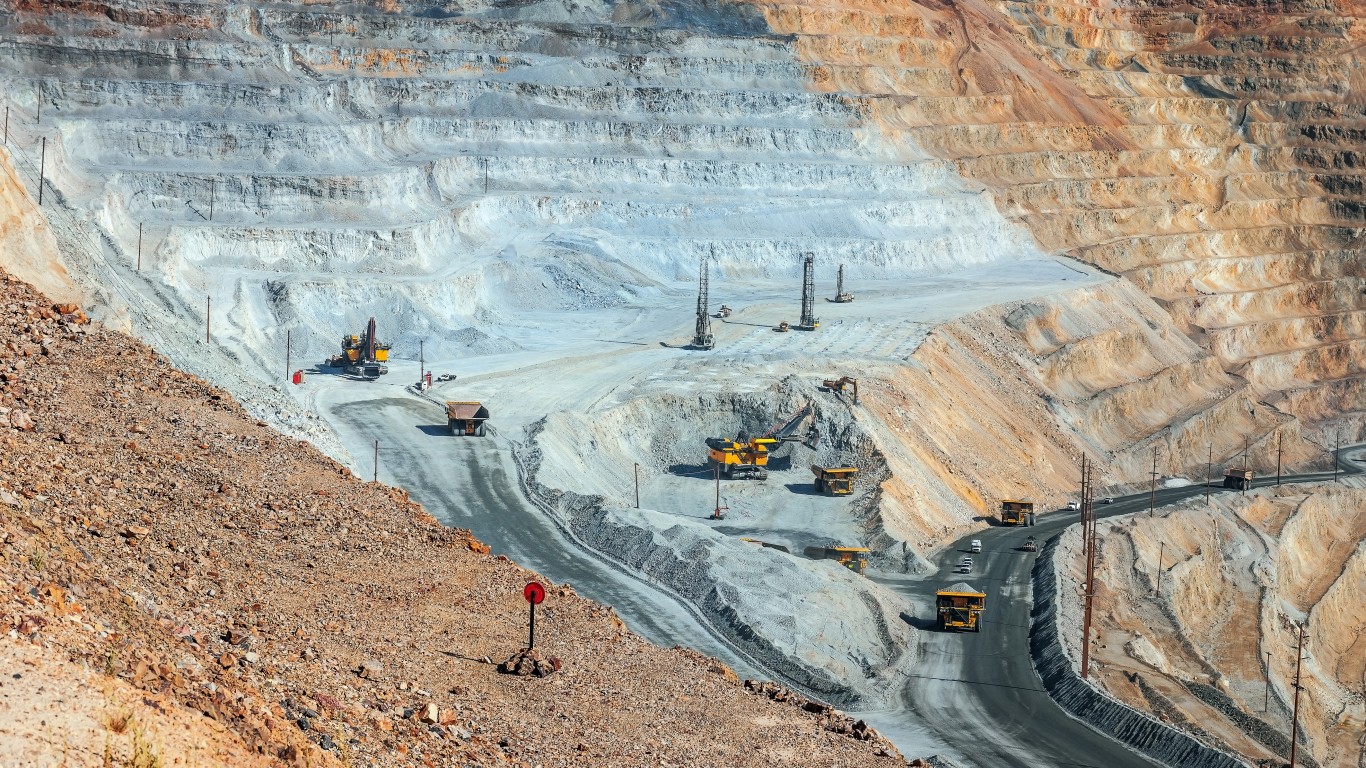
The mechanism behind BATT’s twelve-month run is almost embarrassingly simple. Lithium carbonate prices roughly doubled. SQM (NYSE:SQM), the Chilean lithium producer, reported Q1 2026 revenue of $1.76 billion, up 69.8% year over year, with the Lithium and Derivatives segment alone generating $1.19 billion, a 135.7% jump. Realized lithium prices at the Salar de Atacama averaged about $17.8 per kilogram, roughly 95% higher year over year. CEO Ricardo Ramos told investors that “global lithium demand could exceed 1.9 million metric tons of LCE this year, while market dynamics continue to suggest a tight supply-demand balance,” and raised SQM’s 2026 volume growth guidance from 10% to 15%.
Albemarle’s quarter was even louder. Q1 2026 EPS came in at $2.95 against a $1.31 estimate, a 125% beat. Energy Storage net sales jumped 69.9%, with lithium pricing up 51% and volumes up 14%. Adjusted EBITDA margin expanded to 46.5% from 24.8% a year earlier. CEO Kent Masters said “Higher pricing and volumes in Energy Storage and Specialties, along with continued cost and productivity actions, were the key contributors to our results.” Over the last year, SQM shares are up about 121% and Albemarle is up roughly 133%.
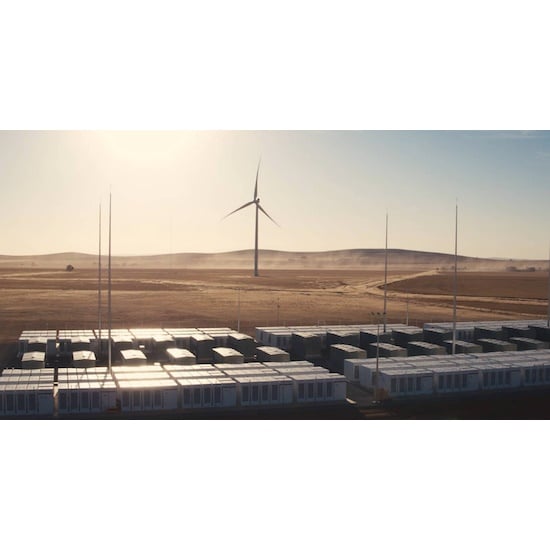
Two pieces of that story matter for what comes next. The first is that battery energy storage systems (BESS), the grid-scale batteries utilities are installing to firm renewables, have emerged as a marginal demand source on top of EVs. SQM said in February that it expected the lithium market to grow approximately 25% in 2026, led by EVs and ESS. The second is that supply has been constrained, with Albemarle’s Kemerton Train 1 placed into care and maintenance and a Chinese lithium mining halt last year pulling tonnage out of the market.
Recent Price Action Tells A Different Story
BATT is down about 12% over the last week and 15% over the last month. Albemarle has dropped about 30% in a month. SQM is off roughly 21% over the same window. The lithium trade that defined the last year is wobbling in real time, and the YTD gain is a residue of the move that already happened, not a description of the current regime.
The reason this matters is the sensitivity in Albemarle’s own guidance. The company laid out three scenarios for 2026 tied to where lithium prices land. At the Q1 2026 average of about $20 per kilogram LCE, ALB guides net sales of $5.7 to $6.0 billion and adjusted EBITDA of $2.4 to $2.6 billion. At the FY 2025 average of about $10 per kilogram, the same business produces $4.1 to $4.3 billion in sales and only $0.9 to $1.0 billion in EBITDA. At the longer-run 2021 to 2025 average of about $30 per kilogram, EBITDA jumps to $4.2 to $4.4 billion. Earnings move several times faster than the commodity, in both directions.
What To Watch From Here
BATT almost certainly cannot repeat a 71% year from this base, because the doubling of lithium that drove the move has already happened. The forward question is whether spot lithium holds near $20 per kilogram, drifts back toward $10, or grinds higher toward the historical $30 average as BESS demand absorbs supply. That single variable explains most of where BATT goes next.
The concrete things to watch are the monthly Chinese lithium carbonate spot quotes published by Fastmarkets and Benchmark Mineral Intelligence, SQM’s quarterly realized price disclosure (next report on the Q2 2026 call following an earnings release in late August), Albemarle’s quarterly Energy Storage segment pricing line, and the status of Kemerton Train 1. The BESS narrative is the one piece of the thesis with structural legs independent of EV cycles, and utility-scale storage installation data from EIA and BloombergNEF is the cleanest read on whether marginal demand is actually showing up.
The honest read is that BATT’s outperformance is real and the BESS-driven demand layer is durable, but the price level that produced the headline returns is already softening. The fund is a leveraged bet on a single commodity dressed up as a thematic basket, and the math that worked over the last twelve months requires lithium to hold a price it has not held for very long. If you are looking at BATT now, you are buying the commodity dressed up as a theme. That is fine, as long as you know that is the trade you are making.
Contact [email protected] for any questions or corrections.
I am a long time investor and student of business, and believe finding good companies that can become great investments is the best game on earth. After 20 years of writing and researching the public markets it is clear that individuals have never had more tools and information to take control of their financial lives. From ETFs and $0 commissions to cryptos and prediction markets there has never been a greater democratization of access to investing.
I write to help people understand the investments available to them so they can make the best choice for their portfolio, whether they're starting out or looking for income in retirement.