Top Venture Capital Investor: Elon Musk Has ‘De-Risked All the Physics’ Behind Starlink and Colossus
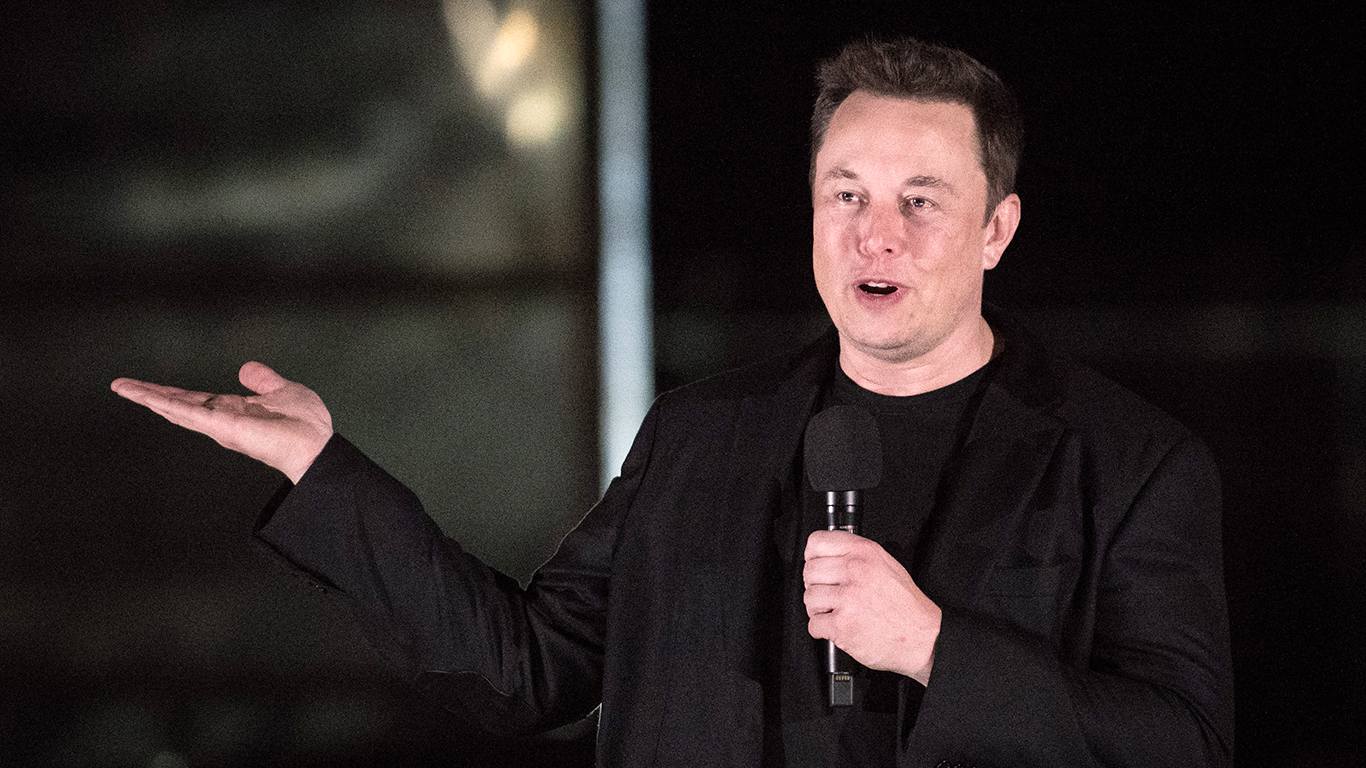
SpaceX began trading on NASDAQ this morning, and one of the company’s longtime venture capital backers offered a loud endorsement. On CNBC’s Squawk Pod, David George, a partner at venture capital giant Andreessen Horowitz (a16z), said Elon Musk’s space and AI…

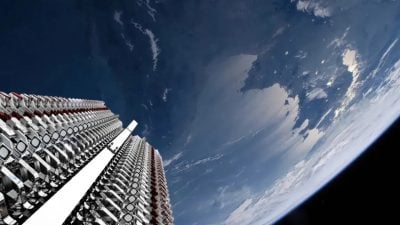
SpaceX began trading on NASDAQ this morning, and one of the company’s longtime venture capital backers offered a loud endorsement. On CNBC’s Squawk Pod, David George, a partner at venture capital giant Andreessen Horowitz (a16z), said Elon Musk’s space and AI businesses have largely solved their toughest technical challenges and are now focused on scaling. “When we first invested in SpaceX, Starlink was in its very earliest moment. They had just gotten satellites into space. But at that moment, we could see that it felt like all of the physics problems were solved in launching satellites to space and then providing the service down to Earth as a telco service,” George said. a16z first bought SpaceX in early 2021.
The Starlink Cost Moat
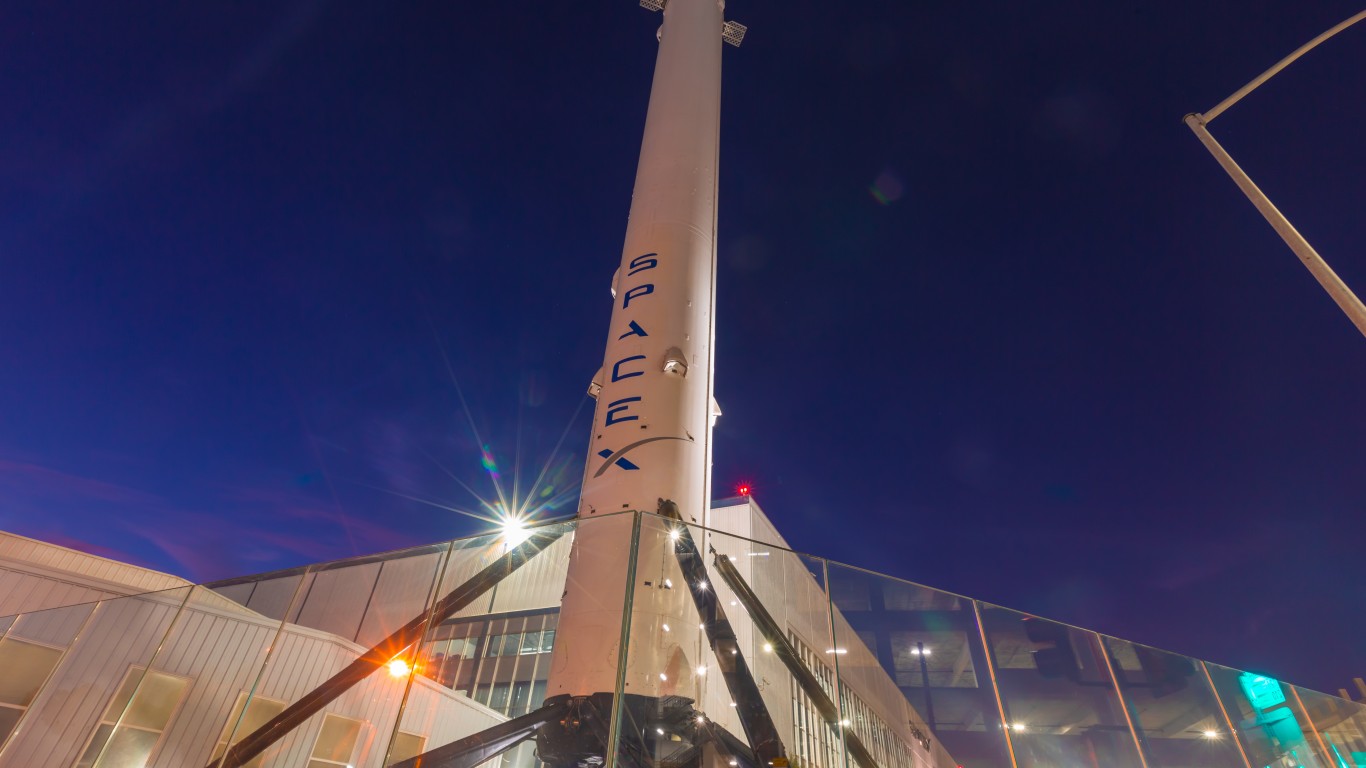
George’s bull case starts with reusability. “They can send a Starship, which is the size of a football field, effectively up to space, and land it back on Earth with the chopsticks. No one else is close to being able to do that,” he said. The SpaceX prospectus puts numbers behind that gap: Falcon 9 cut launch costs to roughly $2,700 per kilogram, down from a historical average of $18,500, and Starship is designed to push that figure down by 99% or more. The company also disclosed it has invested over $15 billion in Starship.
That cost curve underwrites Starlink, which the S-1 describes as the sole low-latency network available globally, with terminal production scaled to roughly 200,000 units per week. George pegs Starlink’s addressable telco market at around $2 trillion, part of a prospectus-level TAM the company puts at $26.5 trillion. Those are investor estimates that embed heroic adoption assumptions.
Colossus and the AI Infrastructure Moat
The second pillar is compute. “They are the only player that has gotten a one-gigawatt-plus data center live in the US and in the world, and that’s an extraordinary technical achievement,” George said of xAI’s Colossus cluster. The S-1 notes that xAI became the first company to deploy a coherent gigawatt-scale AI training cluster, and SpaceX is openly targeting lower cost per token via proprietary chips and solar-powered orbital compute.
The Tesla and SpaceX Connection
Tesla’s Q1 2026 disclosures make the connection explicit. Per the company’s Q1 2026 8-K, Tesla holds roughly $2 billion in xAI Series E preferred and another $2 billion in SpaceX equity, and is partnering with SpaceX to build the largest chip fab at Gigafactory Texas. Tesla is racing forward on AI infrastructure, with 81,000 H100-equivalent GPUs in its Cortex cluster, the AI5 inference chip tape-out completed in April 2026, and a Samsung deal for U.S. chip supply.
Q1 2026 revenue reached $22.39B (+15.8% YoY), with non-GAAP EPS of $0.41 and free cash flow of $1.44B (+117% YoY). Active FSD subscriptions hit 1.28 million (+51% YoY), per Tesla’s Q1 2026 8-K. Shares closed at $399.15 on June 11, leaving the stock down 11.24% year to date but up 22.28% over the past year.

Optionality Is the Real Pitch
George shared how excited they were for the company’s long-term trajectory: “We’re very excited about their setup competitively, the long-term setup for them. They have extraordinary competitive positions in space and in AI. And then there are many elements of optionality, which I think are super exciting.” He added a railroad analogy: “Over the coming years, that cost of getting things to space will probably be reduced by a factor of 10x again,” unlocking third-party ecosystems on top of SpaceX’s platform.
For investors, the key takeaway is that SpaceX could follow the same playbook that has driven success across Musk’s other companies: control the critical technology, build as much as possible in-house, and use that advantage to lower costs faster than competitors.
SpaceX has already proven the technology works. The next phase is scaling Starlink, Starship, and its AI infrastructure while expanding the ecosystem built on top of them. With the IPO pricing valuing SpaceX at roughly $1.8 trillion, the debate is whether the company can execute well enough to justify one of the largest valuations in market history.
Contact [email protected] for any questions or corrections.
Thomas Richmond is a financial writer and content strategist with 5+ years of experience covering stocks and financial markets. He has published over 500 articles focused on individual stock analysis, helping investors better understand business fundamentals, stock valuations, and long-term opportunities.
Thomas previously served as a Content Lead at TIKR, a stock research platform, where he helped scale the company’s blog to hundreds of articles per month and contributed to a weekly newsletter reaching more than 100,000 investors.
Outside of work, Thomas enjoys weight lifting and soccer.