Wall Street Legend Predicts Elon Musk’s Net Worth Could Soon Exceed NVIDIA’s Entire Market Cap
The market has already minted a baker’s dozen of trillion-dollar companies, but Wall Street may soon witness an even stranger situation: One entrepreneur’s personal fortune rivals — or even exceeds — the value of the world’s largest public company That…


The market has already minted a baker’s dozen of trillion-dollar companies, but Wall Street may soon witness an even stranger situation: One entrepreneur’s personal fortune rivals — or even exceeds — the value of the world’s largest public company
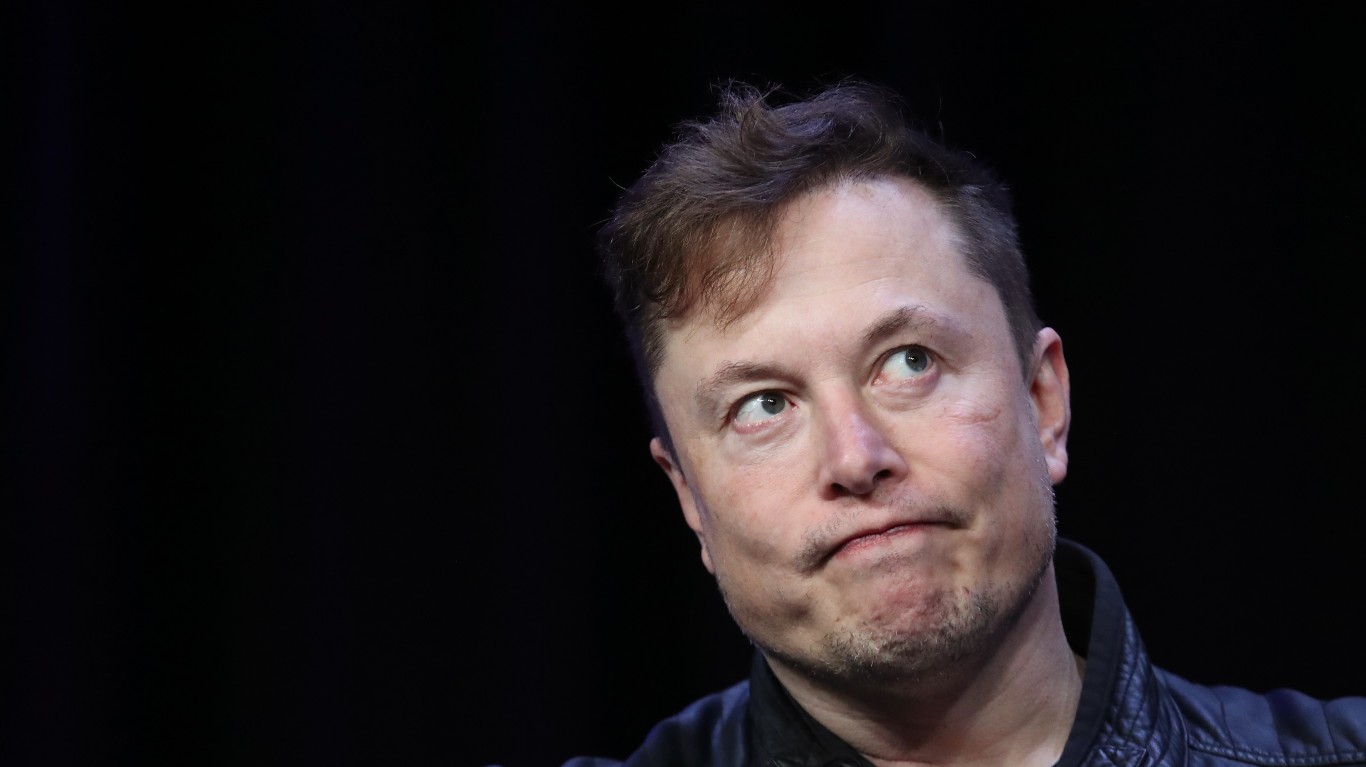
That possibility no longer sounds far-fetched to billionaire investor Ron Baron. The longtime backer of Elon Musk recently argued in a CNBC interview that Musk’s private space company, SpaceX, could eventually become the largest company on Earth. If that happens, Musk’s ownership stake alone could eclipse the entire market capitalization of Nvidia (NASDAQ:NVDA | NVDA Price Prediction) — a company currently valued at over $5.4 trillion.
That sounds outrageous, but then again, there was a time when Tesla (NASDAQ:TSLA) valued north of $1 trillion sounded crazy, too.
Ron Baron Thinks SpaceX Is Still Early
Baron is not a casual Musk fan. His firm, Baron Capital, has invested in Tesla since 2014 and began buying SpaceX shares in 2017. According to reports, Baron’s firm has built a multibillion-dollar position in SpaceX over the past several years.
What caught investors’ attention this time, however, was the scale of the prediction. Baron said SpaceX could ultimately reach a valuation between $10 trillion and $30 trillion over the next 10 to 15 years, driven by Starlink satellite internet, reusable rockets, Starship heavy launch systems, and future AI infrastructure opportunities.
For context, here’s how that stacks up against today’s largest companies:
| Company | Approximate Market Value |
| Nvidia | $5.44 trillion |
| Microsoft (NASDAQ:MSFT) | $3.1 trillion |
| Apple (NASDAQ:AAPL) | $4.4 trillion |
| Baron’s SpaceX Bull Case | $10 trillion to $30 trillion |
If Musk maintained even a 40% ownership stake in a $10 trillion SpaceX empire, his shares alone would be worth roughly $4 trillion. At the high end of Baron’s range, the math becomes almost absurd.
Putting the idea another way, Baron is effectively arguing Musk’s personal fortune could someday exceed Nvidia’s entire market capitalization.
The Numbers Sound Wild — but There’s Logic Behind Them
Granted, plenty of investors hear “$30 trillion” and immediately tune out. That figure is larger than the current U.S. GDP. But Baron’s thesis is built around infrastructure dominance, not just rockets.
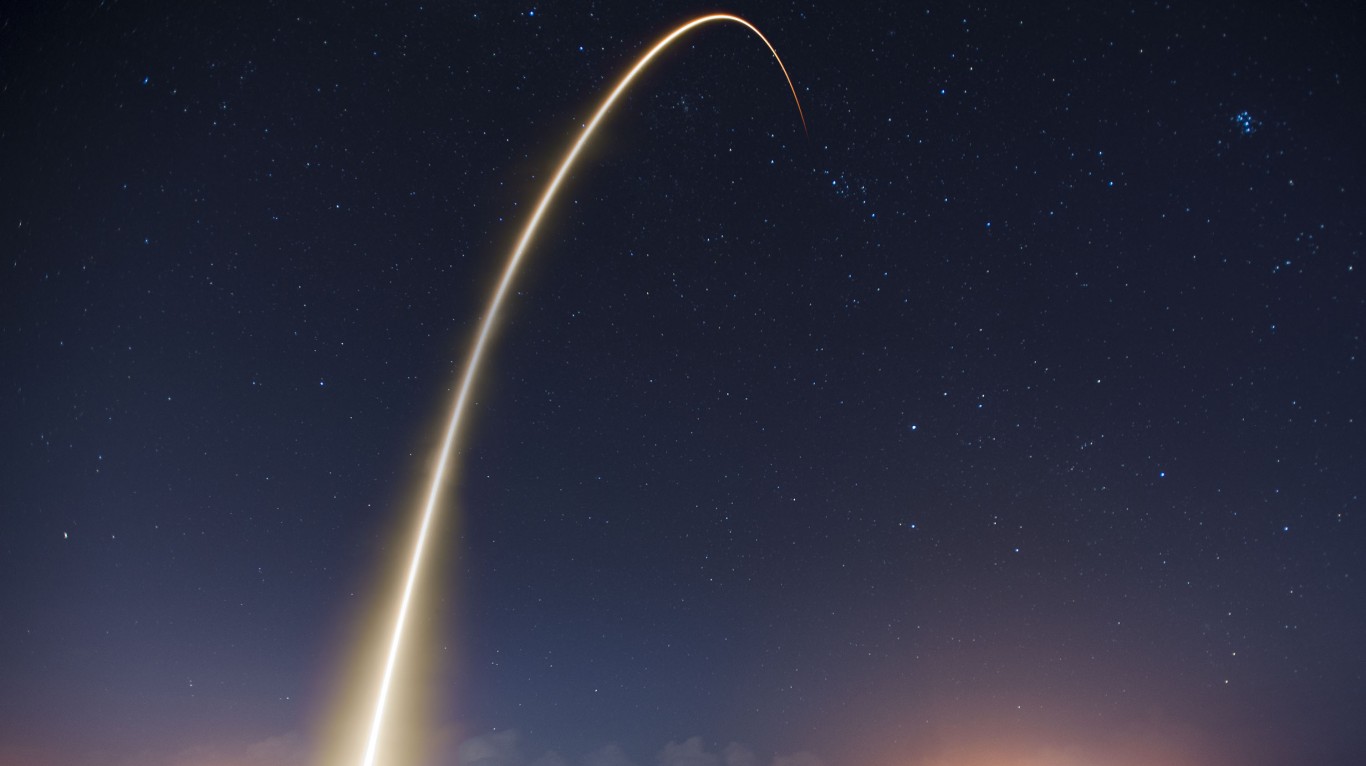
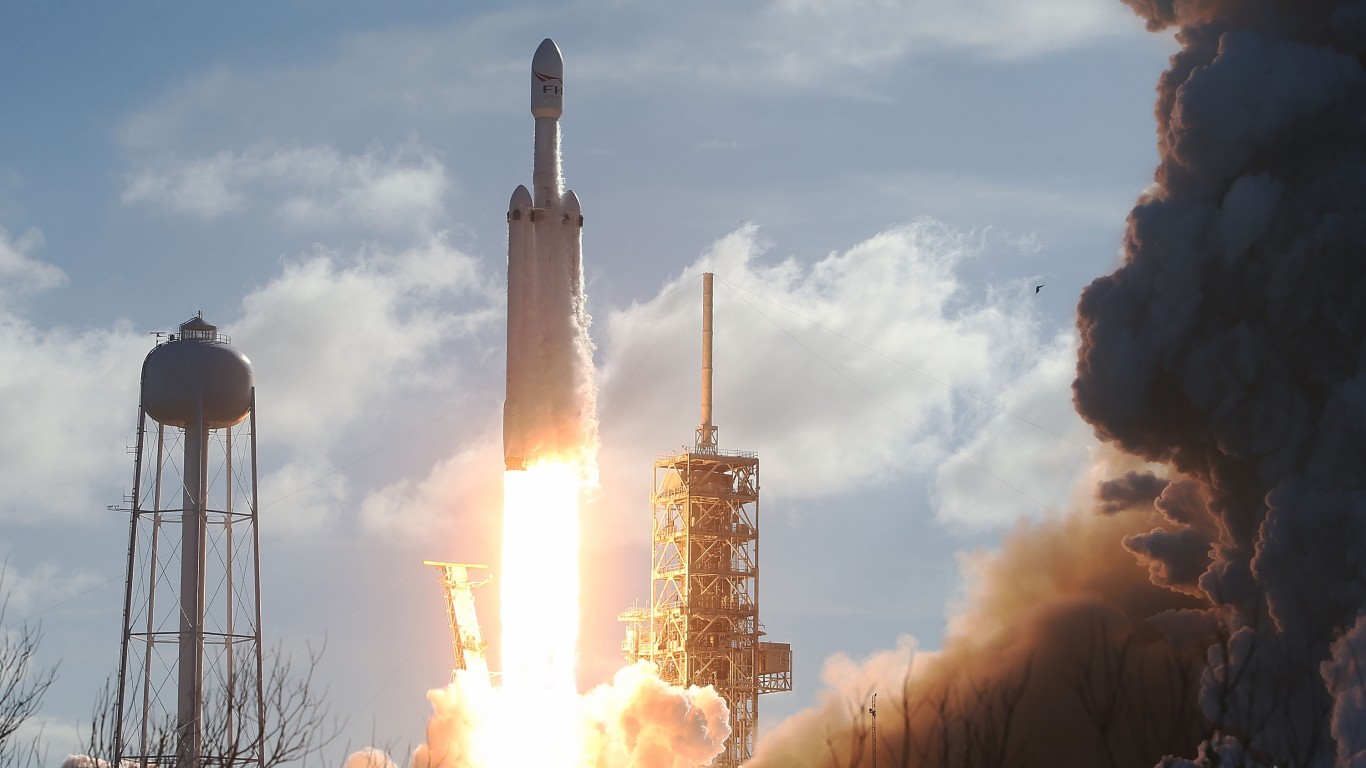
SpaceX already controls a large share of the global launch market, while Starlink has grown into one of the world’s largest satellite internet businesses with millions of users globally. The company’s reusable Falcon 9 rockets dramatically lowered launch costs, and Starship aims to reduce them even further.
Surprisingly, Baron’s biggest excitement may not even be satellites. He has discussed the possibility of orbital AI infrastructure and space-based data centers — an idea that sounds like science fiction until investors remember how quickly artificial intelligence spending exploded.
According to estimates, major tech companies are expected to spend over $1 trillion on AI infrastructure by 2027. That matters because Nvidia’s current dominance comes largely from selling the chips powering that boom. Baron believes SpaceX could someday own part of the infrastructure layer underneath it.
In other words, Nvidia supplies the picks and shovels, while SpaceX may someday own the highways.
Key Takeaway
In short, Ron Baron is making one of the boldest valuation calls Wall Street has heard in years. That does not mean it will happen.
SpaceX is still private for the moment. Its financials are far less transparent than publicly traded peers. Starship still faces technical and regulatory hurdles. And history is littered with investors who extrapolated too much too fast.
That said, savvy investors should not dismiss the thesis outright simply because the numbers sound enormous. Baron has already watched Tesla climb from a niche automaker to a company worth more than most of the global auto industry combined.
Regardless of how you look at it, SpaceX is no longer just a rocket company. It is becoming a communications, defense, AI infrastructure, and transportation platform rolled into one.
And in the end, that may be the real takeaway for investors: Wall Street is starting to value Elon Musk less like a CEO — and more like an economic ecosystem.
Contact [email protected] for any questions or corrections.
After two decades of patrolling the dark corners of suburbia as a police officer, Rich Duprey hung up his badge and gun to begin writing full time about stocks and investing. For the past 20 years, he’s been cruising the markets looking for companies to lock up as long-term holdings in a portfolio while writing extensively on the broad sectors of consumer goods, technology, and industrials. Because his experience isn’t from the typical financial analyst track, Rich is able to break down complex topics into understandable and useful action points for the average investor. His writings have appeared on The Motley Fool, InvestorPlace, Yahoo! Finance, Money Morning, and, of course, 24/7 Wall St. He has been featured in both U.S. and international publications, including MarketWatch, Financial Times, Forbes, Fast Company, and USA Today.