The Billionaire Move Nobody Saw Coming: Why Starboard Value Abandoned CRM For These 2 Stocks
Starboard Value, the activist hedge fund led by Jeff Smith, fully exited its positions in Salesforce (NYSE:CRM | CRM Price Prediction) and Autodesk (NASDAQ:ADSK) during the first quarter of 2026, disclosed in a 13F filed May 15, 2026. In their…


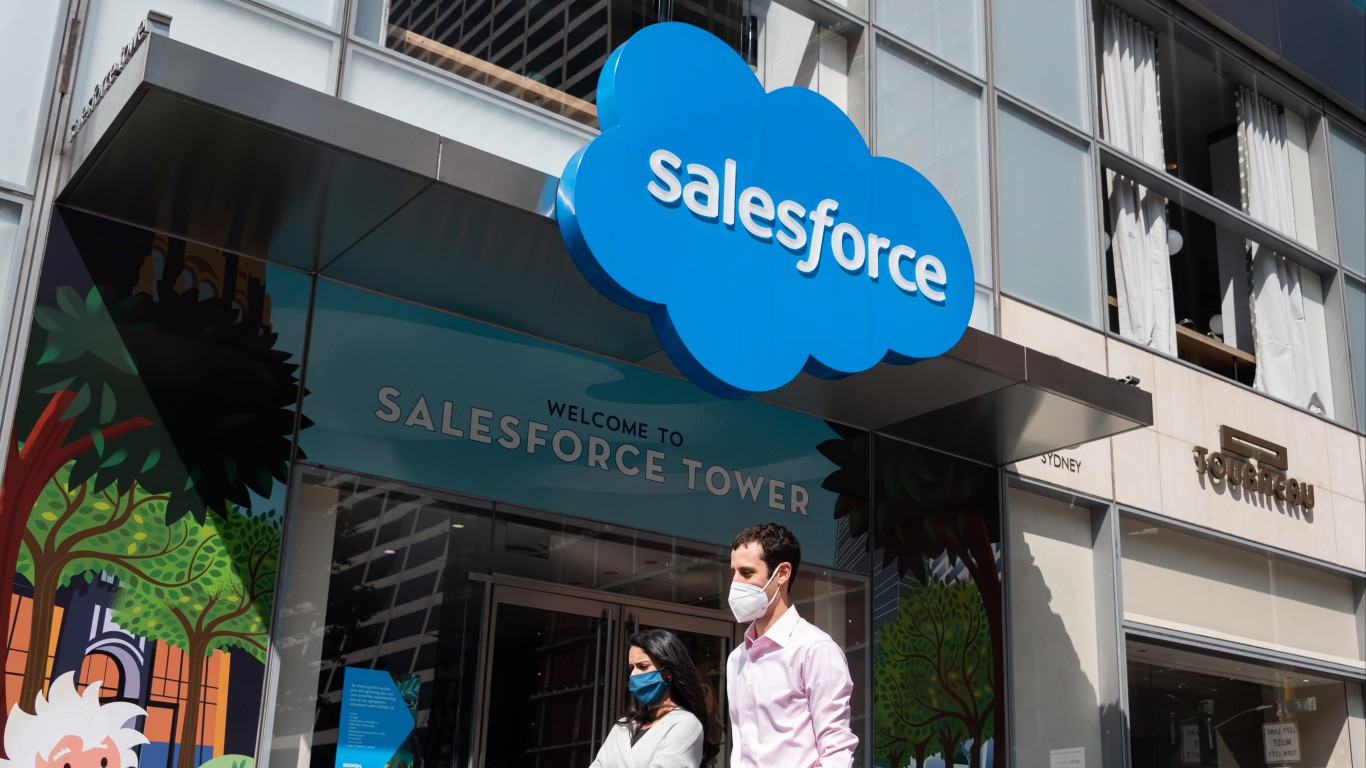
Starboard Value, the activist hedge fund led by Jeff Smith, fully exited its positions in Salesforce (NYSE:CRM | CRM Price Prediction) and Autodesk (NASDAQ:ADSK) during the first quarter of 2026, disclosed in a 13F filed May 15, 2026. In their place, Smith opened brand-new long positions in Lamb Weston (NYSE:LW) and CarMax (NYSE:KMX), and added to existing stakes in Riot Platforms and TripAdvisor.
From Software Activism to Old-Economy Turnarounds
Starboard’s Salesforce campaign began in late 2022 and pushed Marc Benioff toward margin expansion and discipline. Three years later, the thesis cashed in. Salesforce just posted Q1 FY27 EPS of $3.88 versus a $3.13 consensus, funded a $25 billion accelerated share repurchase, and cut diluted share count to 871 million from 970 million. The activist work was effectively done. CRM is now down around 35% year to date, suggesting Smith trimmed before the broader software valuation reset accelerated.
The rotation is what’s striking. Smith abandoned two enterprise-software names and pivoted into frozen french fries and used cars, two of the more distressed corners of the consumer economy.
The Lamb Weston and CarMax Thesis
Lamb Weston is the classic Starboard setup. The stock is down nearly 46% over five years, trades at a forward P/E of 13 and is mid-restructuring. The “Focus to Win” plan targets more than $250 million of savings by fiscal year-end 2028. The company posted Q3 FY26 adjusted EPS of 72 cents versus the 61-cent consensus — a third straight beat — and raised FY26 net sales guidance to $6.45 billion to $6.55 billion. Operational momentum is real, but profitability remains compressed: GAAP net income fell 63% year over year on restructuring charges and a raw potato write-off.
CarMax is even more distressed. Shares are down nearly 56% over five years. Starboard previously disclosed a $350 million stake and nominated two directors, pushing for a better digital experience, faster cost cuts, dynamic pricing, and roughly $300 million in identified savings. New CEO Keith Barr took over March 16, 2026 and raised the SG&A exit-rate reduction target to $200 million. KMX has rallied 26% year to date, indicating the market is starting to price in execution.
Smaller Adds: Riot and TripAdvisor
Riot Platforms has surged 90% year to date as its pivot to AI data center hosting takes hold, anchored by an AMD lease worth $636 million over 10 years. TripAdvisor recorded $3.3 million in shareholder activism costs in Q1, signaling an engaged activist, though no fund is named in the filing.
Should Retail Investors Follow?
Smith’s pattern is consistent: enter distressed names with identifiable cost-out catalysts, then push management toward execution. CarMax already shows the activist fingerprint: new CEO, raised savings target, board reshuffle. Lamb Weston has the operational rigor but lacks confirmed activist demands. For a retirement-focused investor, KMX offers the cleaner activist roadmap, while LW carries higher idiosyncratic risk through ongoing ERP-related securities litigation and price/mix pressure. The more durable lesson is understanding why Smith left CRM (job done) and why he’s buying potatoes and used cars (job beginning).
Contact [email protected] for any questions or corrections.
Joel South covers large-cap stocks, dividend investing, and major market trends, with a focus on earnings analysis, valuation, and turning complex data into actionable insights for investors.
He brings more than 15 years of experience as an investor and financial journalist, including 12 years at The Motley Fool, where he served as an investment analyst, Bureau Chief, and later led the Fool.com investing news desk. He has also co-hosted an investing podcast and appeared across TV and radio discussing market trends.