Tesla’s “Misleading” Numbers
Regulators in Sweden and the Netherlands say Tesla (NASDAQ: TSLA | TSLA Price Prediction) has provided them with “misleading data,” according to Reuters. This data involved Tesla’s “Full Self-Driving” (FSD) system. The regulators said that Tesla supplied the data. Regulators…

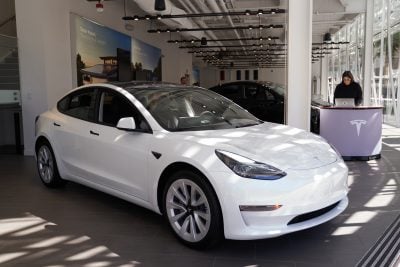
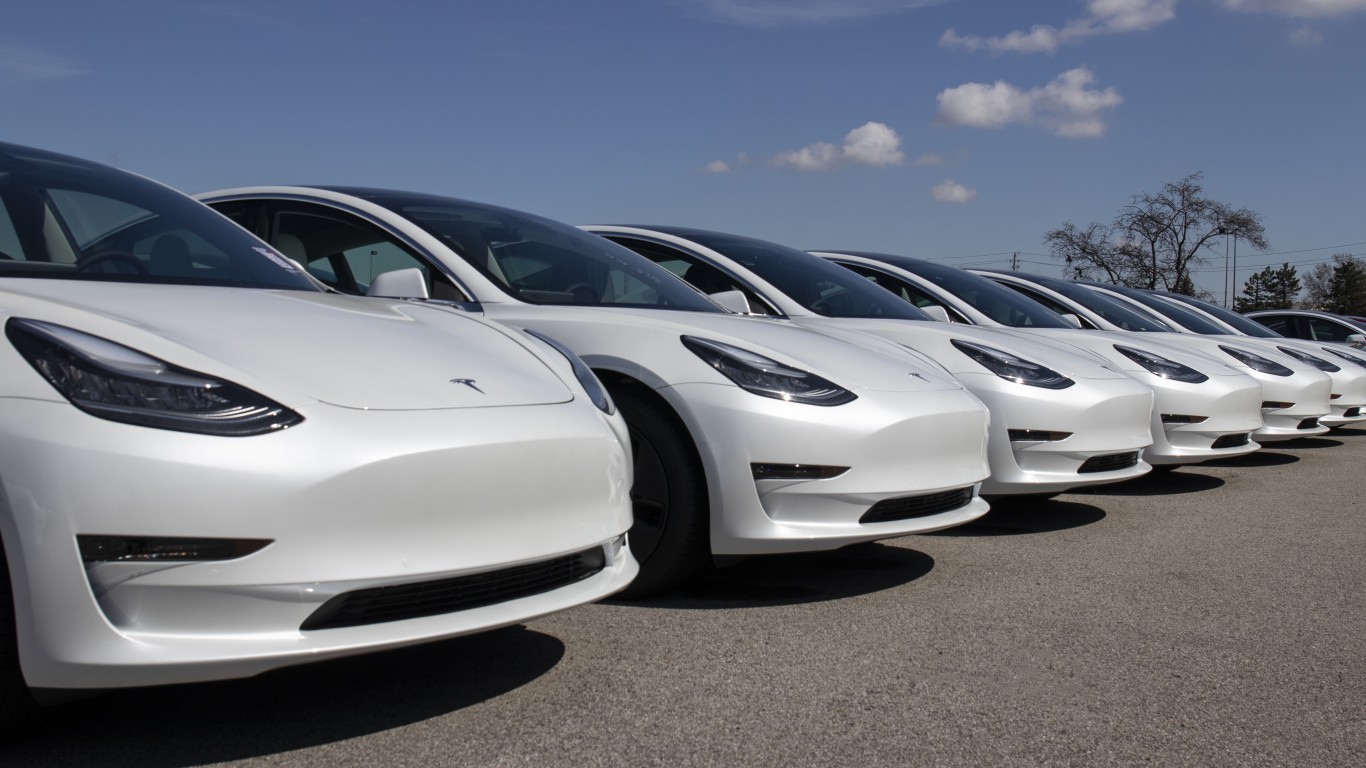
Regulators in Sweden and the Netherlands say Tesla (NASDAQ: TSLA | TSLA Price Prediction) has provided them with “misleading data,” according to Reuters. This data involved Tesla’s “Full Self-Driving” (FSD) system. The regulators said that Tesla supplied the data. Regulators added that the figures were part of Tesla’s attempt to get approval for its broad use.
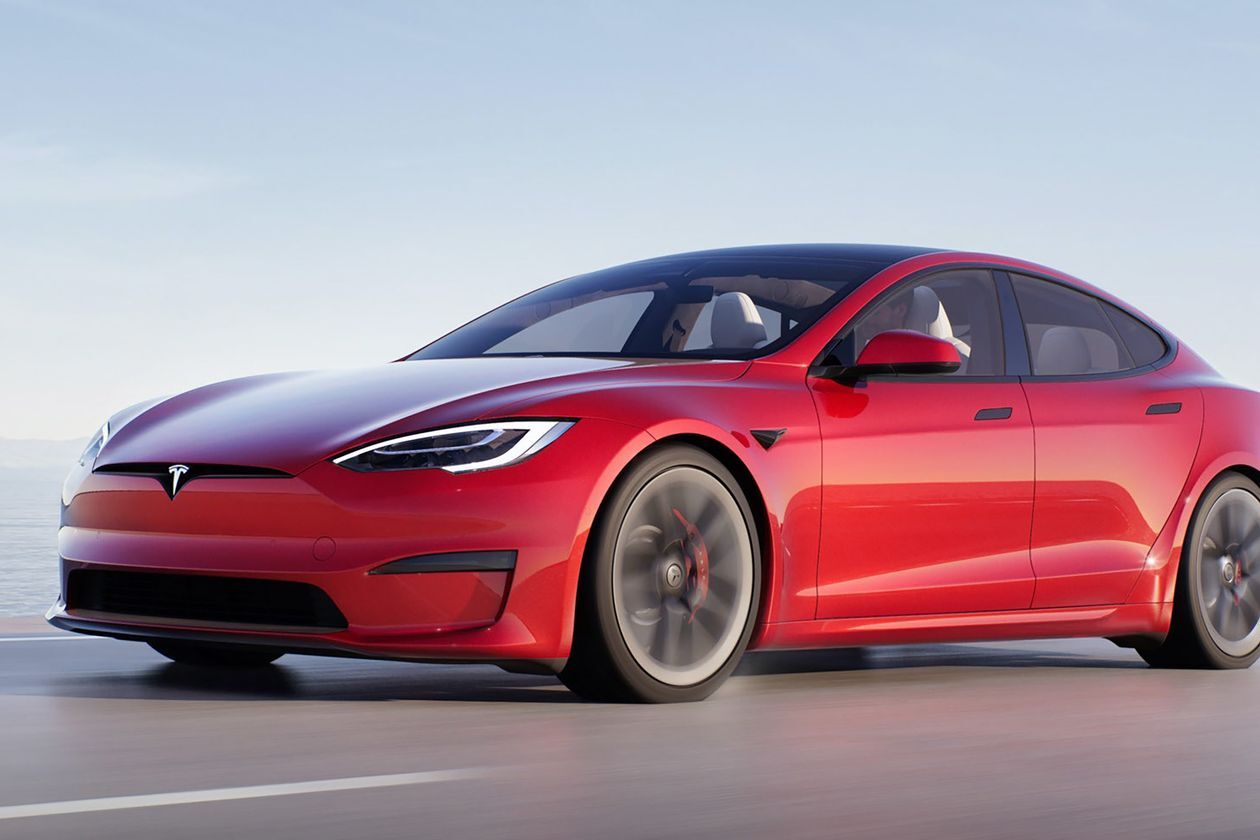
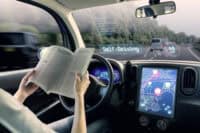
At the heart of the issue is whether Tesla’s FSD is safer than human drivers. In the past, Tesla has said that its vehicles with the FSD option were ten times safer than those driven by humans. Reuters conducted its own testing and said the claims were exaggerated.
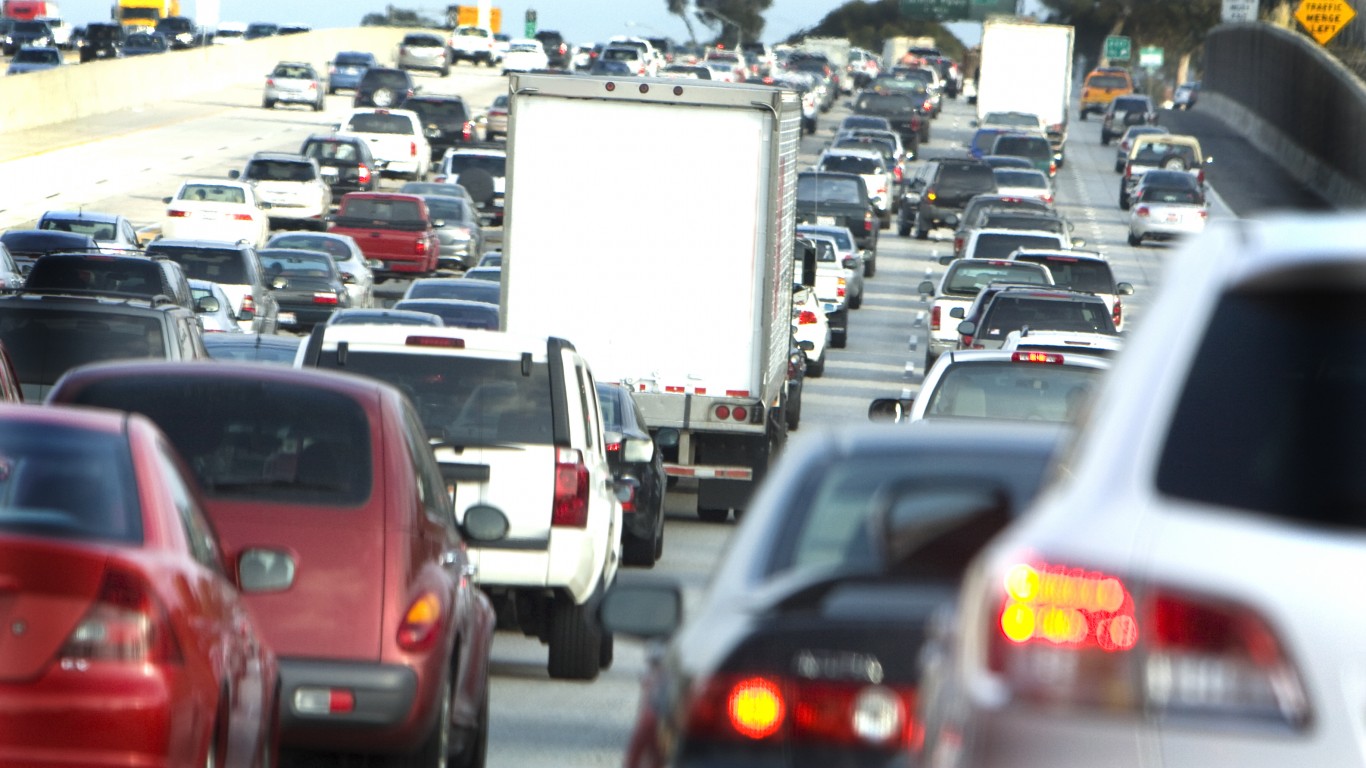
There are apparently specific reasons the data are wrong. One is that FSD is operated on new Teslas. These are compared in the US to a universe of cars, some of which are fairly old and therefore do not all have the latest safety technology offered by these other, competing companies.
The European Transport Safety Council commented that the data from US tests to regulators in Sweden was “unreliable safety data,” the news service added.
The EU body responsible for approving FSD will vote on whether the technology may operate across the region. Some nations, which include Greece, can approve the use of FSD on their own.
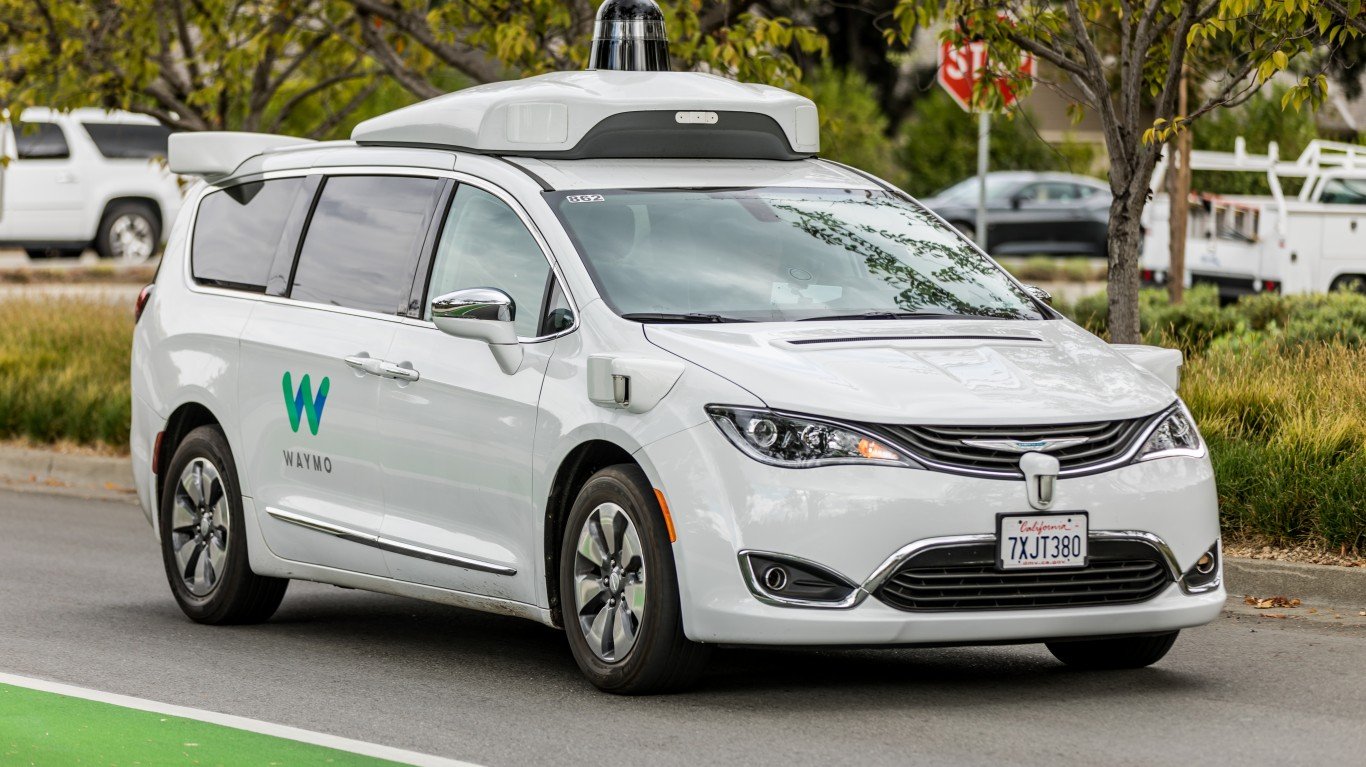
The news is a setback for Tesla. Several US companies, including Google’s Waymo, argue that they have better self-driving technology. China has approved the use of self-driving cars inside the nation. Whether that is approved outside China is an open question. And whether it is approved in the US is an open question as well. For the most part, approval in the US is done city by city. And, Chinese EVs are blocked by tariffs.
The competition for self-driving cars is heated almost everywhere in the world. It is, as much as anything, the most critical feature in the future of cars and trucks. That means the financial benefits to the leaders in the technology will be extraordinarily high.
Contact [email protected] for any questions or corrections.
Douglas A. McIntyre is the co-founder, chief executive officer and editor in chief of 24/7 Wall St. and 24/7 Tempo. He has held these jobs since 2006.
McIntyre has written thousands of articles for 24/7 Wall St. He is an expert on corporate finance, the automotive industry, media companies and international finance. He has edited articles on national demographics, sports, personal income and travel.
His work has been quoted or mentioned in The New York Times, The Wall Street Journal, Los Angeles Times, The Washington Post, NBC News, Time, The New Yorker, HuffPost USA Today, Business Insider, Yahoo, AOL, MarketWatch, The Atlantic, Bloomberg, New York Post, Chicago Tribune, Forbes, The Guardian and many other major publications. McIntyre has been a guest on CNBC, the BBC and television and radio stations across the country.
A magna cum laude graduate of Harvard College, McIntyre also was president of The Harvard Advocate. Founded in 1866, the Advocate is the oldest college publication in the United States.
TheStreet.com, Comps.com and Edgar Online are some of the public companies for which McIntyre served on the board of directors. He was a Vicinity Corporation board member when the company was sold to Microsoft in 2002. He served on the audit committees of some of these companies.
McIntyre has been the CEO of FutureSource, a provider of trading terminals and news to commodities and futures traders. He was president of Switchboard, the online phone directory company. He served as chairman and CEO of On2 Technologies, the video compression company that provided video compression software for Adobe’s Flash. Google bought On2 in 2009.