Apple Sinks 6% in a Memory-Cost “Hundred-Year Flood” That Has Micron Surging
Shares of Apple (NASDAQ:AAPL | AAPL Price Prediction) are down 6% in midday trading on Thursday, sitting near $274 after closing the prior session at $293. The slide is Apple stock’s sharpest single-day move in months and stands out against…


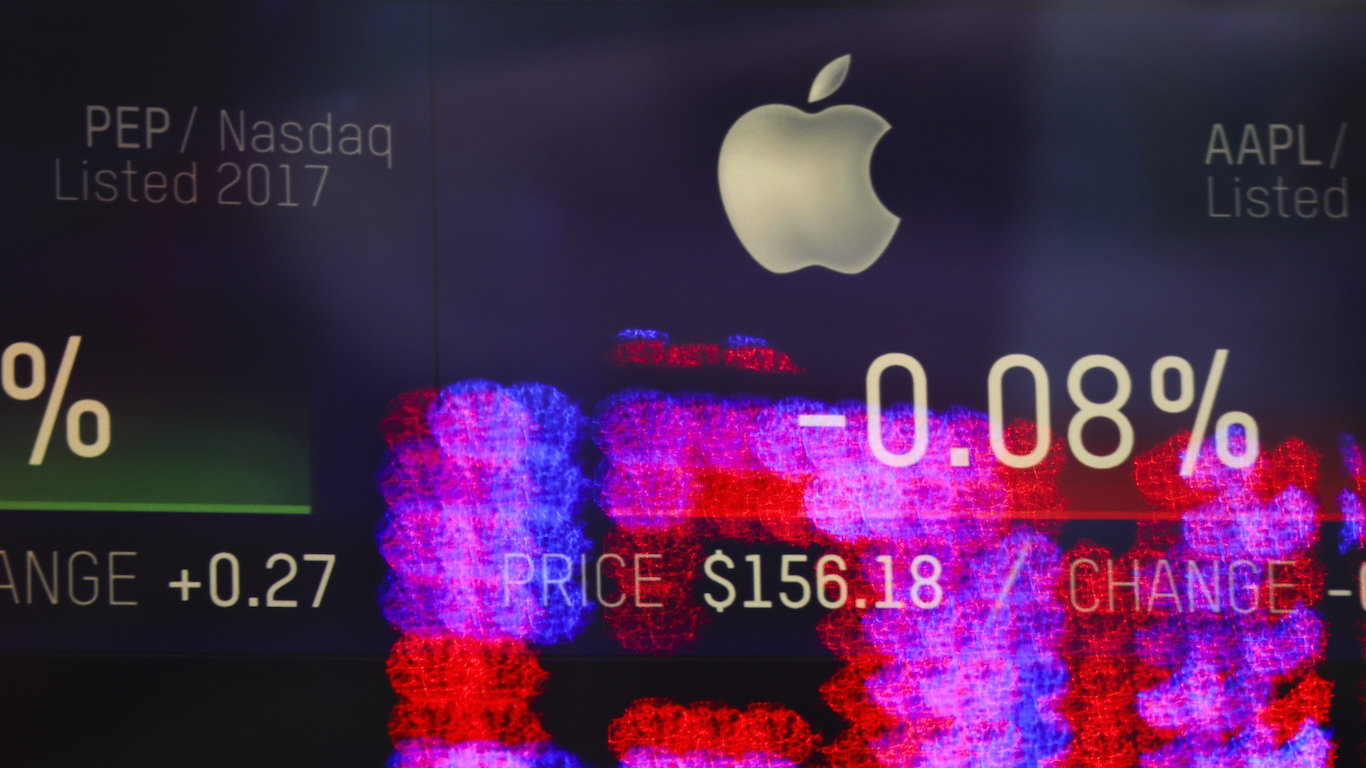
Shares of Apple (NASDAQ:AAPL | AAPL Price Prediction) are down 6% in midday trading on Thursday, sitting near $274 after closing the prior session at $293. The slide is Apple stock’s sharpest single-day move in months and stands out against its 38% one-year gain.
The trigger came straight from the C-suite. Apple announced price increases on MacBooks and iPads, and CEO Tim Cook tied the move squarely to soaring memory and storage costs driven by AI data center buildouts. Notably, Apple left iPhone pricing untouched.
The pain is not evenly spread across the supply chain. Micron Technology (NASDAQ:MU) stock is up 16% at the same time, riding the opposite side of the same memory crunch after a blowout earnings report.
Cook Calls It a “Hundred-Year Flood”
The framing came straight from Apple’s chief executive. “This is a hundred-year flood. I’ve never seen anything like it in any area in over 40 years,” Cook stated, calling the price increases “unavoidable” and noting that Apple had tried to shield customers but “the situation has become unsustainable.”
The dollar impact on Apple’s hardware lineup is notable. The MacBook Neo moves from $599 to $699, the MacBook Air from $1,099 to $1,299, and the 14-inch MacBook Pro from $1,699 to $1,999 (with the 16-inch from $2,699 to $2,999). On tablets, the iPad Air 11-inch jumps from $599 to $749 and the 13-inch iPad Pro from $1,299 to $1,499.
Cook also left the door open to additional hikes on “a number of products,” and indicated Apple is willing to deploy cash reserves to help boost memory supply, though it will not build its own memory facilities. He even suggested U.S. policymakers consider easing restrictions on working with Chinese memory suppliers.
That last point is unusual for Apple. It hints at how acute the company views the supply situation, and how few near-term levers it has to pull on component cost.
Memory Buyers Squeezed, Memory Sellers Cashing In
The same shortage hammering Apple is rocket fuel for Micron and its shareholders. Micron just reported fiscal Q3 2026 revenue of $41.46 billion, with GAAP gross margin of 85% versus 37.7% a year earlier, and guided fiscal Q4 revenue to $50 billion plus or minus $1 billion.
Those are the quantitative anchors for Cook’s “flood” framing. Memory suppliers like Micron are extracting pricing power from the AI capex cycle, while memory buyers like Apple are passing some of that cost straight through to consumers. The split is unusually stark in semis today, and it reframes Apple stock and Micron stock as two sides of the same trade.
Demand Elasticity Meets Margin Protection
The bears are focused on demand destruction. A $100 jump on the entry-level MacBook Neo is meaningful for price-sensitive buyers, and broader tech-sector margin pressure from persistent component inflation is a live concern. Retail sentiment on Apple has tilted bearish, with a Reddit gauge showing a sentiment score of 32 on r/WallStreetBets earlier this week.
The measured view is that loyal Apple customers will absorb most of the price increases, and that leaving iPhone pricing alone protects the company’s most important revenue line. The industry context also matters here. Microsoft, other PC makers, and console builders Nintendo and Sony have already raised their prices, so Apple joins them as the latest name to capitulate.
Apple’s recent results give it some cushion to absorb a bumpy news cycle. The company’s fiscal Q2 2026 revenue came in at $111.18 billion with EPS of $2.01, and Apple’s board authorized a fresh $100 billion buyback alongside a 4% dividend bump. Apple stock also trades at a P/E ratio of 38x, leaving little room for execution slips.
What to Watch Next
The near-term tell for Apple stock is whether today’s 6% drop steadies into the close or accelerates as more sell-side notes hit. Cook’s “more hikes may come” warning leaves an open question on Apple’s pricing posture into the holiday quarter, and any guidance refresh could shift the narrative quickly.
Investors can watch for early read-throughs on demand for the higher-priced Mac and iPad lineups, plus commentary from peers exposed to the same memory squeeze. With Micron having just reset expectations on memory pricing, the next earnings cycle for hardware OEMs could surface more margin commentary in the same direction.
For now, the “hundred-year flood” line is doing real work. It explains why Apple stock is among the worst performers in mega-cap tech today and why Micron stock is among the best, and it sets the tone for how investors may want to size their exposure to memory-heavy hardware names from here.
Contact [email protected] for any questions or corrections.
David Moadel is financial writer specializing in stocks, ETFs, options, precious metals, and Bitcoin. David has written well over 1,000 articles for leading online publications, helping investors understand markets, income strategies, and risk.His work has appeared in The Motley Fool, InvestorPlace, U.S. News & World Report, TipRanks, ValueWalk, Benzinga, Market Realist, TalkMarkets, Finmasters, 24/7 Wall St., and others.With a master’s degree in education, David has taught at the elementary, high school, and college levels. That teaching background shapes his writing style: clear, educational, and practical. David has also built a loyal social-media audience by providing trustworthy financial content on YouTube, X/Twitter, and StockTwits.