Will Apple Have To Increase iPhone Prices?
Soaring memory costs have already pushed up MacBook and iPad prices, but those products are small fish compared to the iPhone. Now Apple faces a collision of forces that could force its hand on the product that generates 90% of…


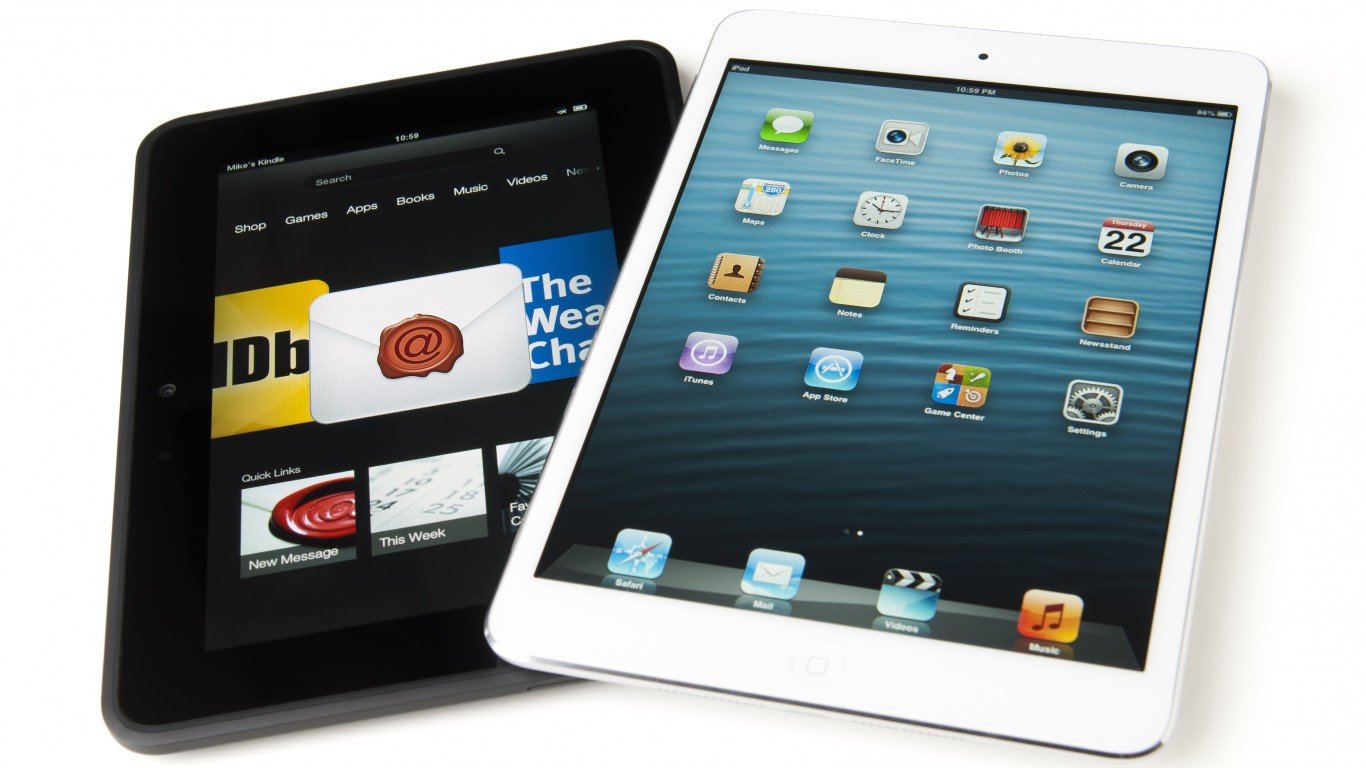
In June, Apple (NASDAQ: AAPL | AAPL Price Prediction) raised prices on two of its modest-selling products. The price of the Apple MacBook Air with 512 gigabytes of storage surged to $1,299 from $1,099. The MacBook Pro with 1 terabyte of storage jumped to $1,999 from $1,699. The iPad Air with 128 gigabytes of storage rose from $599 to $749. Reuters found the changes on the Apple website.
Rising memory prices caused the increases. In fact, demand may be unprecedented. According to CNBC, “This year, there won’t be enough memory to meet worldwide demand because powerful AI chips made by the likes of Nvidia, AMD and Google need so much of it.”
If forecasts for data center growth are close to accurate, the largest tech companies will spend close to $1 trillion on data centers next year. It is not imaginable that there will be enough “memory” to go around.
Apple clearly made a strategic move about which products would get price increases and which would not.
In the most recent quarter, Apple’s total revenue was $109.5 billion. Of that, $10.4 billion was Mac revenue. iPad revenue was $6.2 billion. The iPhone continues to be the engine of Apple’s revenue; it was $54.3 billion in the quarter.
One unanswered question is whether the price increases on Apple’s less popular products are enough to absorb rising memory costs. Otherwise, unless it wants a margin squeeze, the only place it can turn is the iPhone. And, if the pattern continues, memory prices will only get higher.
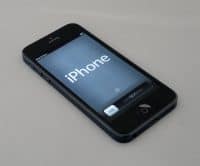
By many measures, Apple has the most expensive smartphones in the world. And its smartphone profits are 90% of the industry’s total. Apple’s bottom line is at stake.
Apple faces forces that could collide. It will probably launch the new iPhone 18 in the next two months. Presumably, it will have AI upgrades to Apple Intelligence and Siri based on its Gemini partnership with Google. If Apple needs to raise iPhone prices at approximately the same time to offset memory prices, iPhone demand may take a hit.
Will consumers accept a $100 increase in the iPhone, or even one of $200? Investors may only have to wait a few weeks to find out.
Contact [email protected] for any questions or corrections.
Douglas A. McIntyre is the co-founder, chief executive officer and editor in chief of 24/7 Wall St. and 24/7 Tempo. He has held these jobs since 2006.
McIntyre has written thousands of articles for 24/7 Wall St. He is an expert on corporate finance, the automotive industry, media companies and international finance. He has edited articles on national demographics, sports, personal income and travel.
His work has been quoted or mentioned in The New York Times, The Wall Street Journal, Los Angeles Times, The Washington Post, NBC News, Time, The New Yorker, HuffPost USA Today, Business Insider, Yahoo, AOL, MarketWatch, The Atlantic, Bloomberg, New York Post, Chicago Tribune, Forbes, The Guardian and many other major publications. McIntyre has been a guest on CNBC, the BBC and television and radio stations across the country.
A magna cum laude graduate of Harvard College, McIntyre also was president of The Harvard Advocate. Founded in 1866, the Advocate is the oldest college publication in the United States.
TheStreet.com, Comps.com and Edgar Online are some of the public companies for which McIntyre served on the board of directors. He was a Vicinity Corporation board member when the company was sold to Microsoft in 2002. He served on the audit committees of some of these companies.
McIntyre has been the CEO of FutureSource, a provider of trading terminals and news to commodities and futures traders. He was president of Switchboard, the online phone directory company. He served as chairman and CEO of On2 Technologies, the video compression company that provided video compression software for Adobe’s Flash. Google bought On2 in 2009.