Apple Stock Just Dropped 6.6%, and One Tiny, Boring Chip Is to Blame
Apple (NASDAQ:AAPL | AAPL Price Prediction) shareholders woke up Thursday to find that the most valuable company in the world had been undone by something the size of a Tic Tac. A memory chip. Specifically, the DRAM and NAND modules…

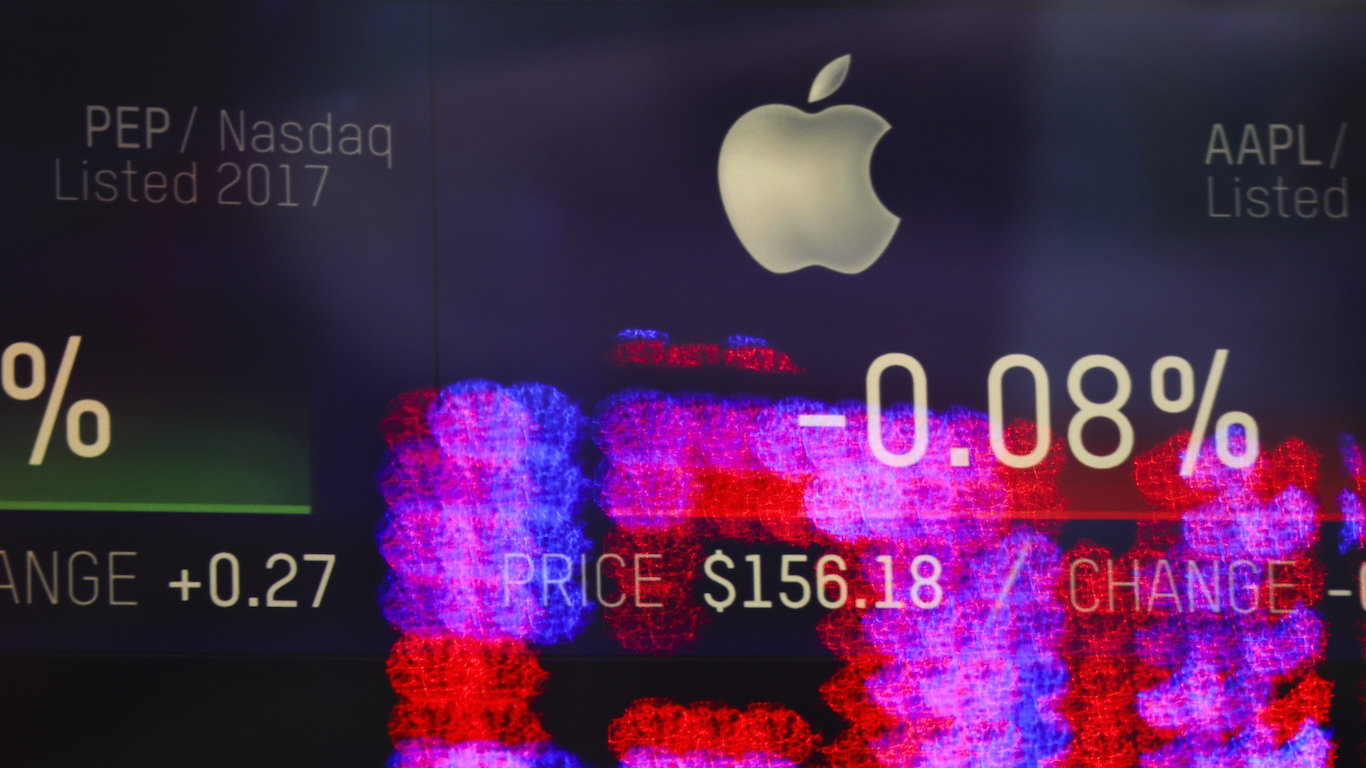
Apple (NASDAQ:AAPL | AAPL Price Prediction) shareholders woke up Thursday to find that the most valuable company in the world had been undone by something the size of a Tic Tac. A memory chip. Specifically, the DRAM and NAND modules tucked inside every Mac, iPad, and Vision Pro on the shelf.
Shares fell as much as 6.6% after Apple raised prices across Macs, iPads, home devices, and the Vision Pro to offset what Tim Cook reportedly called a “hundred-year flood” in component costs. The one-day drop was 6.12%, and the week put 7.67% on the floor. Memory costs, per Reuters, have nearly doubled. Apple said it “can no longer absorb the escalating costs.”
The memory math behind Apple’s slide
Bloomberg Intelligence global head of technology research Mandeep Singh laid out the problem on Businessweek. “There is no free lunch in terms of paying up for memory,” he said, warning that hardware OEMs without Apple’s pricing power could face severe demand destruction.
Apple has the brand to push 15% to 25% iPad hikes and 15% to 20% Mac hikes through to consumers. Most peers do not. Even Apple will feel it in units. SiliconANGLE flagged that Xbox consoles are getting more expensive for the same reason, which shows how broad this is.
Apple came into this week riding a strong fiscal year, with Q2 FY26 revenue of $111.18 billion growing 16.6% year over year and an EPS of $2.01 beating consensus. The market was pricing Apple at a 36x earnings multiple on the assumption that hardware margins would hold. Memory inflation is the first real puncture in that thesis, and Singh thinks it persists through 2028.
Why Micron’s margins look like a luxury brand’s
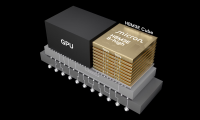
On the other side of this trade sits Micron Technology (NASDAQ:MU), which on Tuesday reported one of the more absurd quarters in semiconductor history. Revenue of $41.46 billion against an estimate of $35.25 billion, up 345.72% year over year. GAAP gross margin of 84.6%, up from 37.7% the year before. That margin lives in luxury-handbag territory, well outside anything the memory industry has historically produced.
What made the quarter extraordinary was the durability story underneath it. CEO Sanjay Mehrotra pointed to “multi-year Strategic Customer Agreements” designed to lock in the cycle, which Bloomberg’s segment described as $100 billion in take-or-pay contracts with 16 customers. Hyperscalers are willing to sign decade-style commitments because they cannot get memory anywhere else. Q4 guidance is $50.0 billion in revenue at roughly 86% gross margin.
Nvidia’s parallel squeeze
And then there is NVIDIA (NASDAQ:NVDA), which is supposed to be the winner in every AI story and lately has not been acting like one. Shares are down 13.03% since May 15 and 8.79% over the past month. NVIDIA is Micron’s lead customer on HBM4, which means every dollar of margin Micron extracts flows directly into the bill of materials on a Blackwell board. NVIDIA can pass that cost along to hyperscalers today. Singh’s warning is what happens if hyperscalers blink. If no killer use case emerges beyond coding agents, he argued, Meta or Microsoft could pull back capex, which would cool memory and chip demand fast.
There is also the competition angle. OpenAI’s chip announced in partnership with Broadcom will not move next quarter’s revenue, yet it pressures the multiple investors are willing to pay for NVIDIA today. The stock trades at roughly 29x forward earnings on guidance of $91 billion in Q2 FY27 revenue, which is not expensive if the buildout continues and is suddenly expensive if it does not.
Watch over the next few weeks whether Apple’s price hikes hold up in pre-order data, whether Micron’s take-or-pay book grows, and whether any other hyperscaler quietly walks back a capex number. One of those three breaks, and the AI memory trade re-rates everything at once.
Contact [email protected] for any questions or corrections.
Omor Ibne Ehsan is a writer at 24/7 Wall St. He is a self-taught investor with a focus on growth, cyclical, and dividend equities that have strong fundamentals, value, and long-term potential. He also has an interest in high-risk, high-reward investments such as penny stocks.