Trump Threatens 100% Tariffs Over Digital Taxes. These 5 Tech Stocks Are Most at Risk
Trade tensions appeared to cool after the U.S. and European Union reached a trade agreement capping most EU exports to the U.S. with a 15% tariff ceiling. For investors, that looked like a welcome step toward greater certainty after months…

This post may contain links from our sponsors and affiliates, and Flywheel Publishing may receive compensation for actions taken through them.
Trade tensions appeared to cool after the U.S. and European Union reached a trade agreement capping most EU exports to the U.S. with a 15% tariff ceiling. For investors, that looked like a welcome step toward greater certainty after months of tariff negotiations.
Yet trade policy rarely stays settled for long. President Trump has now opened a new front in the global trade debate by targeting digital services taxes, or DSTs, arguing they unfairly single out America’s largest technology companies. That shifts the conversation from steel, automobiles, and consumer goods to software, online advertising, cloud computing, and e-commerce.
Digital Taxes Put Big Tech In the Spotlight
Unlike traditional corporate income taxes, digital services taxes target revenue generated from digital platforms rather than profits. According to the Tax Foundation, roughly half of European countries are discussing, proposing, or have already implemented some form of DST aimed largely at multinational technology companies.
The U.K. has imposed a 2% digital services tax since 2020 on revenues generated by search engines, social media companies, and online marketplaces that derive value from U.K. users. France, Italy, Spain, Austria, and Canada have enacted similar measures, according to the Tax Foundation and each country’s finance ministry.
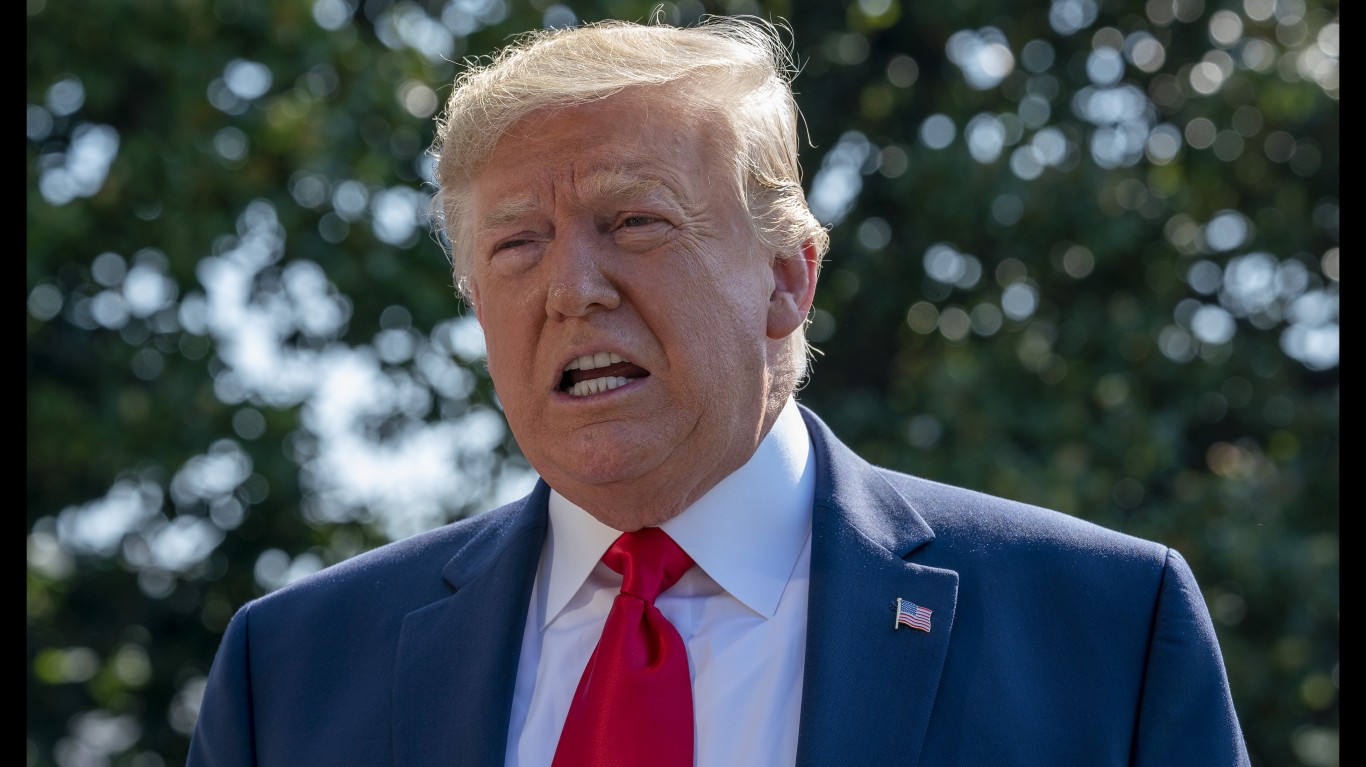
Trump has made clear he views those taxes as discriminatory. In a Truth Social post, he said any country imposing a digital services tax on U.S. companies would face a 100% tariff on all goods exported to the U.S.. Earlier this month, he warned France that its wine and champagne would face a 100% tariff if it moved forward with expanding its digital tax regime.
The Legal Battle Over Tariffs Isn’t Over
The White House also faces legal questions over how such tariffs would be implemented.
Last year, the Supreme Court struck down Trump’s reciprocal tariff framework that relied on the International Emergency Economic Powers Act, limiting the administration’s ability to impose broad tariffs under emergency powers. In response, Trump immediately invoked Section 122 of the Trade Act of 1974 to establish a new 10% global tariff.
That authority comes with an important limitation. Section 122 tariffs can remain in place for only 150 days unless Congress approves an extension. That means any long-term tariff campaign tied to digital services taxes could require either new legal authority or congressional support.
Granted, legal uncertainty doesn’t necessarily prevent markets from reacting. Investors often price in policy risk long before courts or lawmakers reach a final decision.
These Tech Giants Have the Most at Stake
Digital services taxes primarily affect companies generating large amounts of advertising, marketplace, software, or cloud revenue across Europe. These five are the most exposed:
| Company | Primary exposure to DSTs |
| Alphabet (NASDAQ:GOOG | GOOG Price Prediction) | Google Search and YouTube advertising throughout Europe |
| Amazon (NASDAQ:AMZN) | Marketplace commissions and seller fees, particularly in the U.K. and France |
| Apple (NASDAQ:AAPL) | App Store commissions and broader European consumer exposure if retaliation expands |
| Meta Platforms (NASDAQ:META) | European and U.K. advertising revenue from Facebook and Instagram |
| Microsoft (NASDAQ:MSFT) | Azure cloud services, enterprise software, and digital subscriptions |
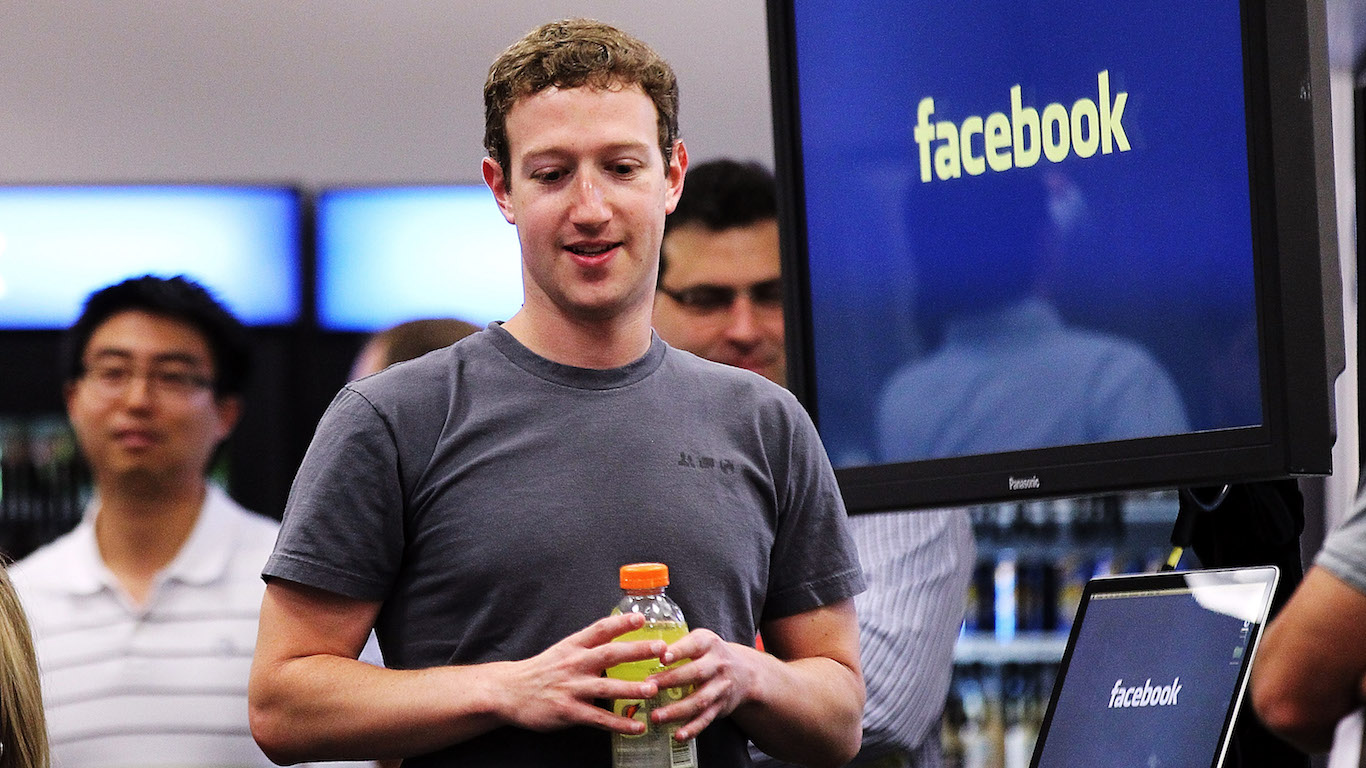
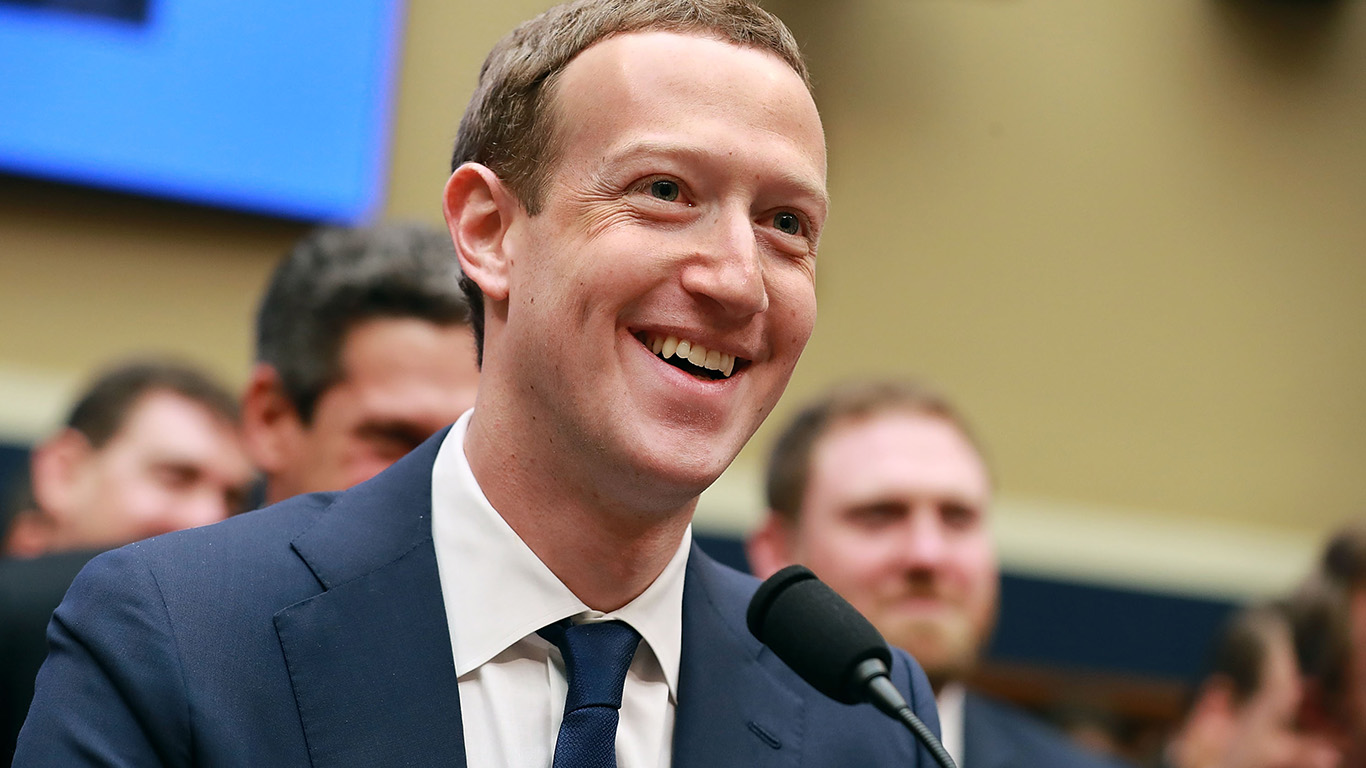
The largest beneficiaries of eliminating DSTs would likely be Meta and Alphabet because advertising revenue forms the core of both companies’ business models. Amazon’s marketplace business also faces direct exposure, while Apple’s App Store commissions fall within many governments’ definition of taxable digital services. Microsoft faces less direct exposure but still generates billions in European cloud and software revenue.
That said, investors should also consider the other side of the equation. If Europe retaliates against U.S. tariffs with new taxes or import restrictions, companies like Apple and Amazon could face pressure on their broader international operations.
Key Takeaway
The latest tariff threat suggests trade tensions are evolving rather than disappearing. The U.S.-EU agreement lowered uncertainty for traditional goods by establishing a 15% tariff ceiling, but digital services taxes have emerged as the next battleground.
For investors, the companies to watch remain Meta, Alphabet, Amazon, Apple, and Microsoft because each generates meaningful revenue from European digital markets. Regardless of whether the administration ultimately has the legal authority to impose lasting 100% tariffs, policy headlines alone can move markets. Smart investors should pay as much attention to Washington and Brussels as they do quarterly earnings over the coming months.
Contact [email protected] for any questions or corrections.
After two decades of patrolling the dark corners of suburbia as a police officer, Rich Duprey hung up his badge and gun to begin writing full time about stocks and investing. For the past 20 years, he’s been cruising the markets looking for companies to lock up as long-term holdings in a portfolio while writing extensively on the broad sectors of consumer goods, technology, and industrials. Because his experience isn’t from the typical financial analyst track, Rich is able to break down complex topics into understandable and useful action points for the average investor. His writings have appeared on The Motley Fool, InvestorPlace, Yahoo! Finance, Money Morning, and, of course, 24/7 Wall St. He has been featured in both U.S. and international publications, including MarketWatch, Financial Times, Forbes, Fast Company, and USA Today.