Why Carnival’s Record Run Hasn’t Closed Its Gap with Royal Caribbean
Carnival (NYSE: CCL | CCL Price Prediction) and Royal Caribbean (NYSE: RCL) just closed earnings cycles that explain why the cruise trade has fractured. Carnival delivered its sixth straight EPS beat on June 23, 2026. Royal Caribbean extended a four-quarter…

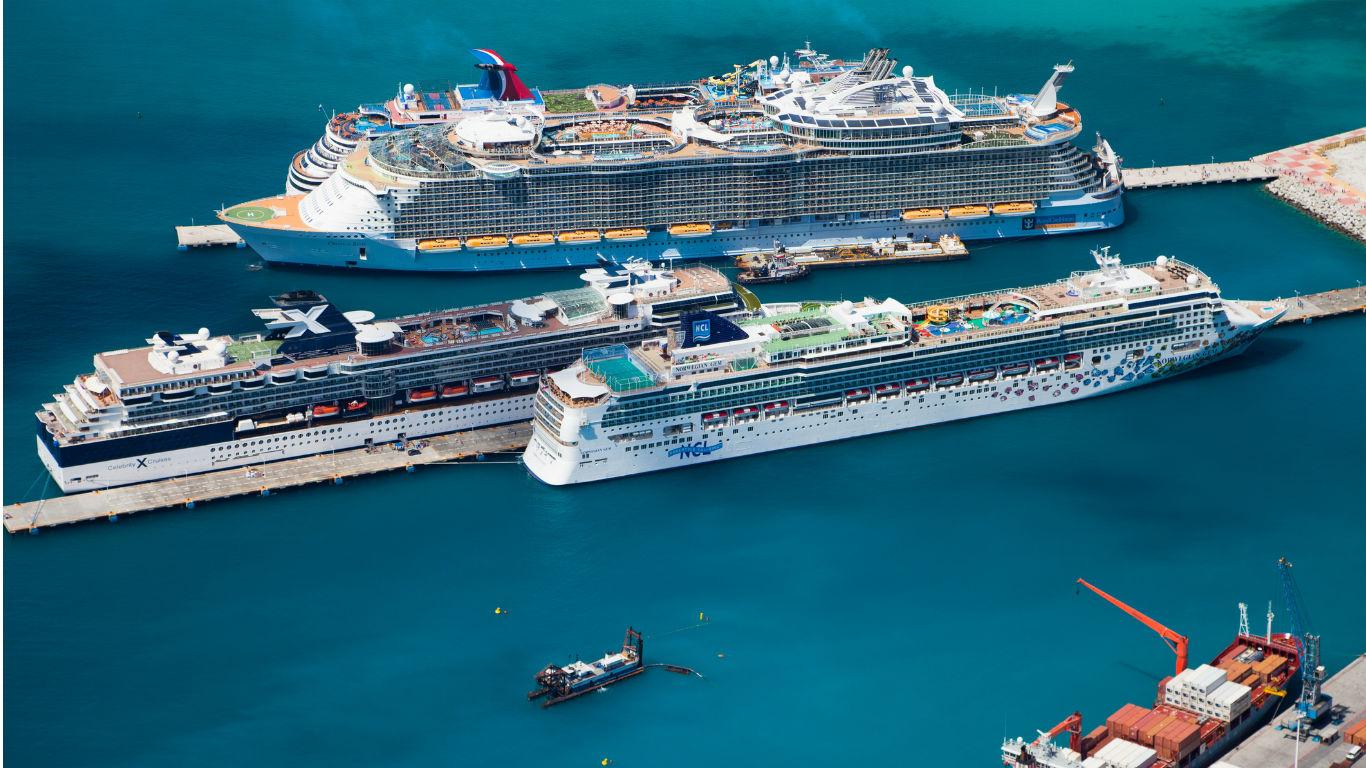
Carnival (NYSE: CCL | CCL Price Prediction) and Royal Caribbean (NYSE: RCL) just closed earnings cycles that explain why the cruise trade has fractured. Carnival delivered its sixth straight EPS beat on June 23, 2026. Royal Caribbean extended a four-quarter beat streak back in April. One stock trades like a coiled recovery. The other trades like the operator can do no wrong.
Record Yields Carry Carnival. Premium Ecosystem Carries Royal Caribbean.
Carnival posted adjusted EPS of $0.41 against $0.35 a year ago, with revenue of $6.66 billion, up 5.3%. Customer deposits hit a record $9.0 billion, and the fleet is 93% booked for 2026. CEO Josh Weinstein framed it bluntly: “twelfth consecutive quarter of record net yields”, achieved despite nearly 30% higher fuel costs. Carnival is leaning on Celebration Key and pricing integrity in the Mediterranean rather than discounting.
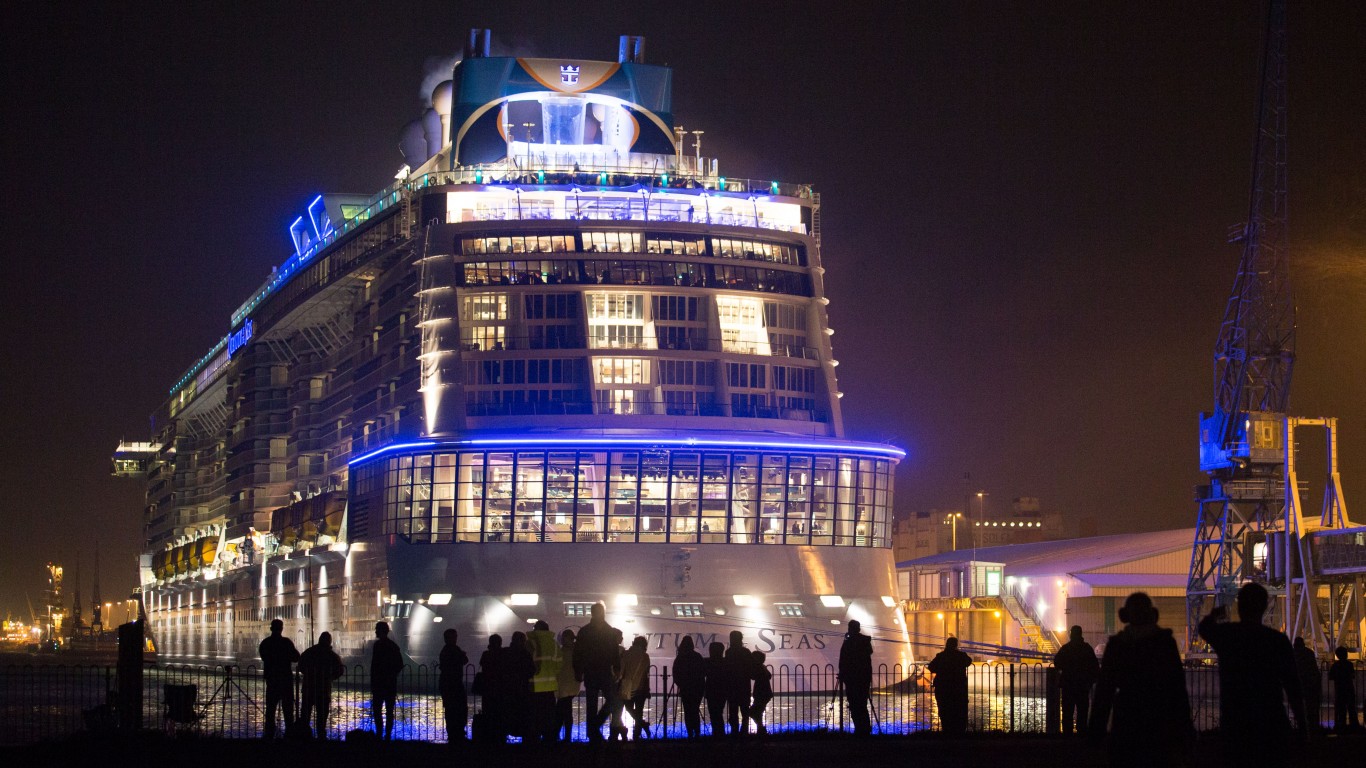
Royal Caribbean delivered adjusted EPS of $3.60 against a $3.20 consensus, a 12.59% beat, with revenue climbing 11.3% to $4.45 billion. Adjusted EBITDA margin expanded to 38.2% from 35.1%, and load factor reached 109%. Jason Liberty leaned into the brand stack, citing “another year of double-digit revenue and earnings growth.”
Coiled Spring Versus a Stock Priced for Perfection
| Lens | Carnival | Royal Caribbean |
| Forward EPS Guide | ~$2.22 | $17.10 to $17.50 |
| Trailing P/E | 13 | 19 |
| EV/EBITDA | 8.9 | 14.43 |
| 5-Yr Price Change | 11.93% | 287.68% |
Carnival is paying down a $24.9 billion debt stack, reinstated the dividend at $0.15 per quarter, and authorized a $2.5 billion buyback. Royal Caribbean is funding Icon VI, Icon VII, Royal Beach Club Santorini, Celebrity River Cruises, and the Discovery Class platform, repurchasing 2.9 million shares for $836 million in Q1 alone. Two different bets.
Sticky Inflation Is the Real Tiebreaker
Headline PCE re-accelerated to 4.07% YoY in May 2026, with energy ripping 24.26%. Royal Caribbean has 59% of fuel hedged, but its premium clientele still feels services inflation at 3.76%. I will keep an eye on whether Carnival’s 2027 booking curve, which Weinstein said is “running ahead of prior year levels”, holds up if energy stays hot.
Why I Lean Toward the Coiled Carnival Setup
On the setup, Carnival screens as the more interesting risk-reward. Shares sit at $29.19 while the operational story keeps compounding, and the analyst target sits at $35.6. Royal Caribbean has earned its premium, but at $321.44 and a 19 P/E, a single soft WAVE update could sting. Royal Caribbean offers defensive quality anchored by a fortress ecosystem, while Carnival offers more operating leverage as debt drains and bookings extend.
Contact [email protected] for any questions or corrections.
Alex Sirois is a financial writer with experience spanning both retail and institutional investing. He has written for InvestorPlace and held roles at BNY Mellon and Bernstein, giving him a perspective that bridges Main Street portfolios and Wall Street analysis.
Alex holds an MBA from George Washington University and has built his career across multiple industries, including e-commerce, education, and translation — a breadth of experience that informs how he breaks down complex financial topics for everyday investors. His writing is conversational, actionable, and grounded in long-term, buy-and-hold investing principles.
At 247 Wall St., Alex focuses on delivering analysis that is both accessible and useful, with a clear emphasis on helping readers make more informed decisions with their money.