





Oil prices have pulled back sharply in recent weeks, but Kevin Book, Managing Director at ClearView Energy Partners, believes investors shouldn’t dismiss the risk of another move higher. In a recent CNBC interview, he argued that while OPEC+ is preparing to boost production and shipping through the Strait of Hormuz is recovering, geopolitical risks in the Middle East continue to support crude prices.
“We still see some room for risks to the upside given the state of affairs in the Middle East,” Book said, describing a market where the path back to oversupply remains possible but far from certain.
The Strait of Hormuz Is Reopening, But Not Fully
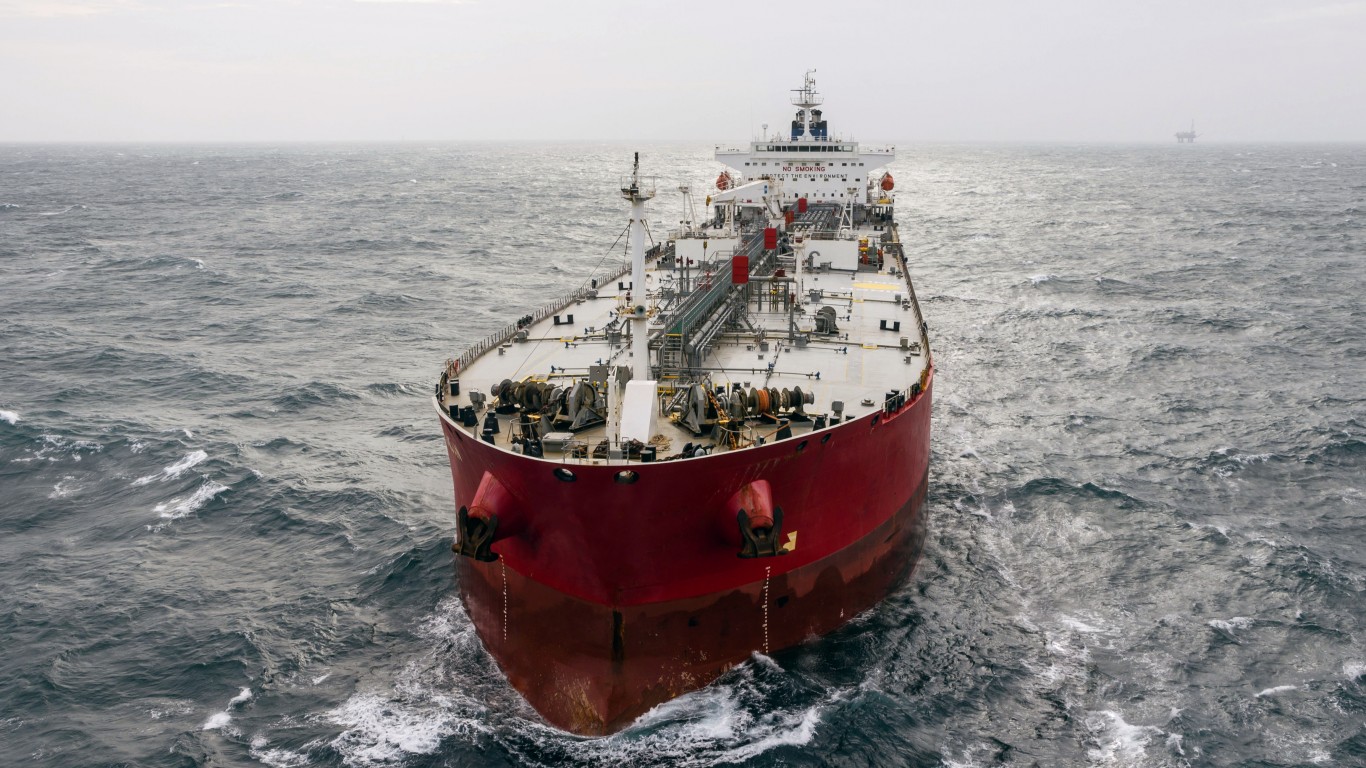
The most important variable in the near term is throughput at the Strait of Hormuz. On tanker flows, Book said, “Our best understanding is that we’re looking at something like two-thirds, maybe a little bit more than that, of the usual crude volumes through the Strait prior to the war.”
That partial recovery matches the trajectory the U.S. Energy Information Administration laid out in its May Short-Term Energy Outlook, which assumed the Strait would remain effectively closed until late May with shipping beginning to pick up in June and not returning to pre-conflict levels until later in the year. The EIA also flagged that Iraq, Saudi Arabia, Kuwait, the UAE, Qatar, and Bahrain collectively shut in 10.5 million barrels per day of crude oil production in April, a supply hole the market is still working to refill.
OPEC+ Supply: 80% Ready, 20% Sticky
OPEC+ has a demining deadline set for July 18th, with talks to resume July 11th. Producers report that 80% of new supply is ready to come online quickly, with the remaining 20% facing delays. That final tranche is where Book sees the real bottleneck. “We still see some room for bumps in the negotiating process… impediments and probably a slower than expected return for that last increment of supply,” he said.
China’s Weak Oil Demand Could Change Everything
Sitting underneath the supply story is a demand picture that has quietly deteriorated. “Chinese oil imports fell from above 12 million barrels per day in February to less than 8 million barrels per day in May. June numbers are looking like they’re going to come in as early reports are showing six handles,” Book said.
That aligns with the EIA’s downgrade of global demand growth to an average of 0.2 million b/d in 2026, down from an average of 0.6 million b/d in last month’s STEO, and 1.2 million b/d in our February STEO, with reductions concentrated in Asia.
The price action illustrates just how quickly the market can whipsaw. Brent closed below $60 per barrel on January 7th, then surged to a peak of $138.21 on April 7, 2026, as the Strait of Hormuz was shut down. WTI has since retreated to $70.56/bbl as of July 7, 2026, down 13.37% on the month.
The Two Catalysts Energy Investors Need to Watch
Book’s outlook ultimately comes down to whether supply can recover faster than geopolitical risks fade. A smoother reopening of the Strait of Hormuz and a full return of OPEC+ production would strengthen the case for lower oil prices, especially if Chinese demand remains weak.
But if Middle East tensions disrupt supply again or OPEC+ faces further delays, the risk premium still embedded in crude prices could prove justified. For investors, the balance between recovering supply and lingering geopolitical uncertainty will likely determine where oil heads next.
Contact [email protected] for any questions or corrections.









 Top Gaining Stocks
 Top Losing Stocks