How Responsible Is the U.S. President for the Price of Gas?
The question of how much the U.S. President is responsible for the price of gas remains a central debate in American politics. As gas prices continue to fluctuate near a national average of $4.62, public sentiment remains complex. While the…

The question of how much the U.S. President is responsible for the price of gas remains a central debate in American politics. As gas prices continue to fluctuate near a national average of $4.62, public sentiment remains complex. While the President does not set prices, executive actions on deregulation and foreign policy play a significant role in market expectations.
Why Do Gas Prices Matter So Much?
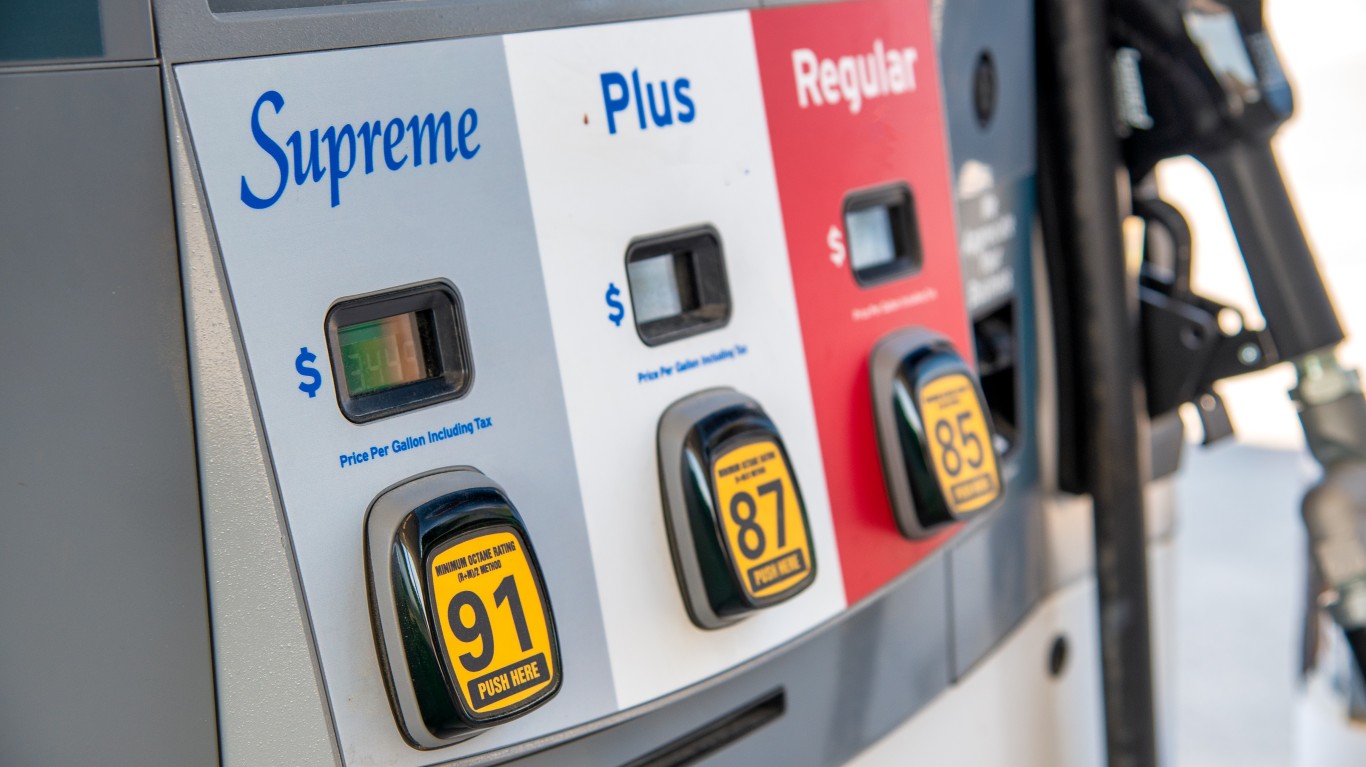
Gas is one of the most visible daily expenses for the American consumer. Because prices are posted on nearly every street corner, drivers remain hyper-aware of fluctuations, often traveling extra distances to save just a few cents per gallon.
The psychological sensitivity to these costs dates back to the 1970s oil embargo, which introduced the nation to rationing and supply shocks. In 2026, while fuel efficiency has improved, the “sticker shock” of higher pump prices still serves as a primary barometer for the overall health of the economy.
How Gas Prices Impact Presidential Elections
Historically, incumbents face severe political headwinds when gas prices rise during an election year. High costs at the pump were a defining feature of the 2008 transition and remained a central theme in the 2024 debates regarding pandemic-era versus post-recovery pricing.
In the current 2026 landscape, the focus has shifted toward how administrative deregulation efforts, such as the “Unleashing American Energy” initiative, compare to previous restrictive policies. Candidates continue to use the price per gallon as a proxy for effective leadership, regardless of the global market forces at play.
Geopolitics and the Strait of Hormuz
The most pressing factor in 2026 is the instability in the Middle East, specifically involving the closure of the Strait of Hormuz. This vital transit point has restricted millions of barrels of oil, keeping global prices elevated. Furthermore, the recent exit of the United Arab Emirates from OPEC has fractured traditional alliances, leading to new levels of market volatility that no single domestic policy can fully mitigate.
Presidential Policies and Refinery Bottlenecks
While domestic crude production remains at record highs, refinery capacity has emerged as a critical bottleneck. Recent executive orders aimed at eliminating dozens of energy regulations seek to lower costs, yet the “Atlantic Basin Reset”—the closure of significant refining capacity in North America and Europe—means that the cost of turning crude into gasoline remains high.
The EV Cushion and Factors Outside Control
A new variable in the gas price equation is the increasing market share of electric vehicles and hybrids. This shift is starting to reduce overall demand, potentially acting as a “cushion” against future price spikes. However, seasonal demand shifts and natural disasters in the Gulf of Mexico remain “X factors” that can cause immediate, localized price hikes.
Editor’s Note: This article has been updated to include 2026 data regarding the national gas price average, the geopolitical impact of the Strait of Hormuz closure, the UAE’s departure from OPEC, and the effect of recent energy deregulation executive orders. The update also adds new analysis on refinery capacity bottlenecks and the role of electric vehicle adoption in reducing long-term fuel demand.
Contact [email protected] for any questions or corrections.
David Beren has been a Flywheel Publishing contributor since 2022. Writing for 24/7 Wall St. since 2023, David loves to write about topics of all shapes and sizes. As a technology expert, David focuses heavily on consumer electronics brands, automobiles, and general technology. He has previously written for LifeWire, formerly About.com. As a part-time freelance writer, David’s “day job” has been working on and leading social media for multiple Fortune 100 brands. David loves the flexibility of this field and its ability to reach customers exactly where they like to spend their time. Additionally, David previously published his own blog, TmoNews.com, which reached 3 million readers in its first year. In addition to freelance and social media work, David loves to spend time with his family and children and relive the glory days of video game consoles by playing any retro game console he can get his hands on.