Jim Cramer: “Anthropic Is the Winner Now” as Enterprises Move to Slash Tech Budgets in Half
On CNBC’s Squawk on the Street on July 9, 2026, Jim Cramer argued that the real profit engine of the enterprise AI wave sits at the model layer, which is collecting the checks hyperscalers are writing. “Anthropic is the one…

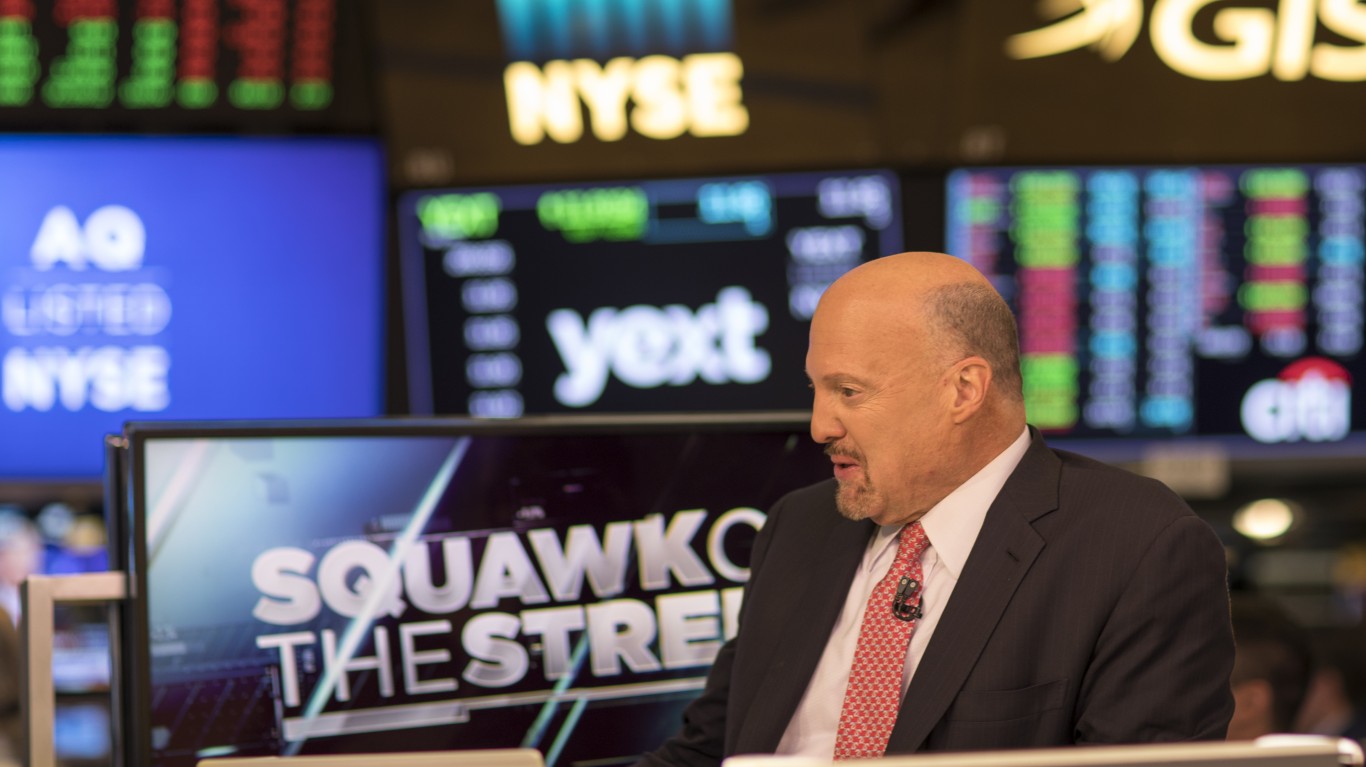
On CNBC’s Squawk on the Street on July 9, 2026, Jim Cramer argued that the real profit engine of the enterprise AI wave sits at the model layer, which is collecting the checks hyperscalers are writing. “Anthropic is the one that’s actually making a lot of money doing some work on Salesforce,” Cramer said, going on to call the company “the winner now” even as he added, “I don’t like them. They’re bullies. Anthropic. They’re doing very well.”
Cramer paired the Anthropic call with a warning that enterprise software budgets are about to get squeezed. He cited Starbucks, which under CEO Brian Niccol is spending roughly $400 million on tech and evaluating cuts of up to 50%. If large customers like Starbucks are willing to review major tech spending and consider deep cuts, SaaS incumbents may face the tougher question of whether AI agents will generate enough new revenue before they start replacing old software seats.
The Three AI Spending Buckets: Cybersecurity, Memory, and Tokens
Cramer leaned on a framework he attributed to Key analyst Jack Snader: enterprises are funneling AI dollars into three categories, in order: cybersecurity, memory hardware, and tokens. “They’re calling in George Kurtz,” (CrowdStrike’s CEO) Cramer said of the first wave. “Cyber… cybersecurity. And then next is actually hardware. And that’s why we see Micron go up.” He also flagged that Anthropic salespeople have been told to throttle back due to token constraints, a demand signal that speaks louder than any guide-up.
Salesforce Is Caught in the Budget-Cut Crosshairs
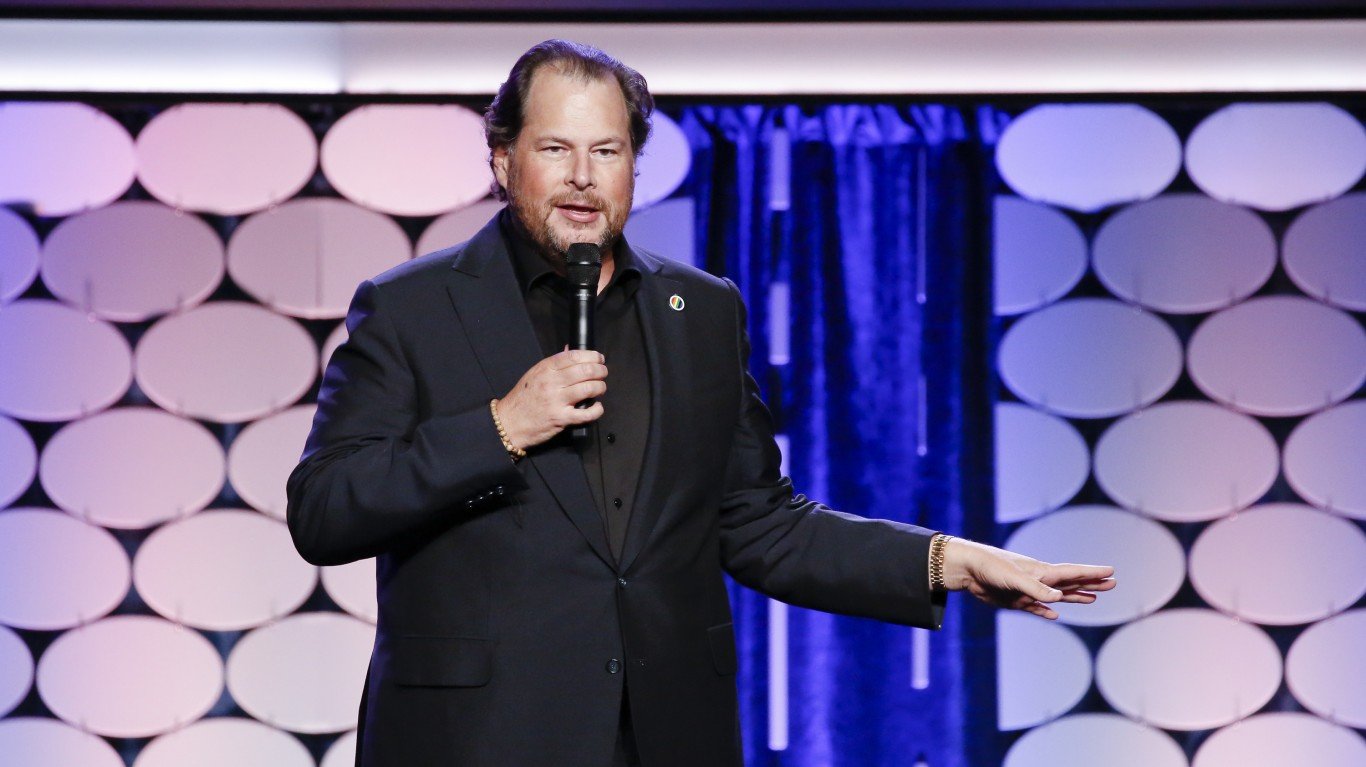
Salesforce (NYSE:CRM | CRM Price Prediction) sits directly in the crosshairs of the Starbucks-style budget review. Marc Benioff’s defense is Agentforce, which he described as “the biggest growth opportunity for our customers, and for Salesforce.”
The numbers back the pivot: Agentforce ARR hit $1.2 billion in Q1 FY27, up 205% YoY, with combined Agentforce and Data 360 ARR of roughly $3.4 billion. The stock tells the other side of the story CRM shares are down 36.79% year-to-date and 38.60% over one year, trading around $162. Investors are asking whether agents will replace seats faster than Salesforce can monetize them.
Micron Becomes the Memory Winner Behind the AI Boom
Cramer’s second bucket lands on Micron Technology (NASDAQ:MU). Fiscal Q3 2026 was a blowout: revenue of $41.46 billion, up 345.7% YoY, non-GAAP EPS of $25.11, and GAAP gross margin of 84.6%. CEO Sanjay Mehrotra said the results “reflect the strategic value of memory in the AI era.”
Guidance for Q4 calls for $50.0 billion in revenue and non-GAAP EPS of $31.00, backed by HBM4 high-volume shipments. Shares are up 232.64% year-to-date, and Polymarket traders currently price a 62% probability that MU closes above $1,100 by the end of July.
For investors looking for their next big winner, our team’s Free Report: The Next Nvidia Playbook walks through the repeatable steps investors can use to find the next 100-bagger stocks years before the broader market does.
CrowdStrike Shows Why Cybersecurity Is the First AI Priority
CrowdStrike (NASDAQ:CRWD), the George Kurtz firm Cramer named, brings a counter-narrative to the Anthropic-eats-everything thesis: it partners directly with them. CrowdStrike launched Project QuiltWorks alongside OpenAI and Anthropic and was selected as a launch partner for Anthropic’s Project Glasswing.
Q1 FY27 delivered $1.386 billion in revenue, up 25.6% YoY, record Q1 net new ARR of $255.8 million, and Kurtz’s framing that “CrowdStrike is AI security infrastructure, critical to successful AI adoption.” Post-split shares are up 63.09% year-to-date.
What to Watch
Cramer’s enterprise AI map is clear: Anthropic captures the workflow, Micron supplies the memory, CrowdStrike protects the perimeter, and Salesforce must prove its AI agents can grow faster than customers cut traditional software spending.
The biggest risk to that framework is price. If Chinese open-source models or lower-cost alternatives become good enough for enterprise use, Anthropic’s token economics could face pressure. For public-market investors, the model companies remain mostly private, which means the investable opportunity may sit in the surrounding infrastructure: memory, cybersecurity, and the software names fighting to stay relevant.
Contact [email protected] for any questions or corrections.
Thomas Richmond is a financial writer and content strategist with 5+ years of experience covering stocks and financial markets. He has published over 500 articles focused on individual stock analysis, helping investors better understand business fundamentals, stock valuations, and long-term opportunities.
Thomas previously served as a Content Lead at TIKR, a stock research platform, where he helped scale the company’s blog to hundreds of articles per month and contributed to a weekly newsletter reaching more than 100,000 investors.
Outside of work, Thomas enjoys weight lifting and soccer.