The 1 Costco Pricing Secret That Makes It the Most Unusual Retailer in America
Costco runs on margins so thin they would sink most retailers, yet it keeps posting record profits and cutting prices at the same time. The answer comes down to a cash flow quirk that flips the usual relationship between a…


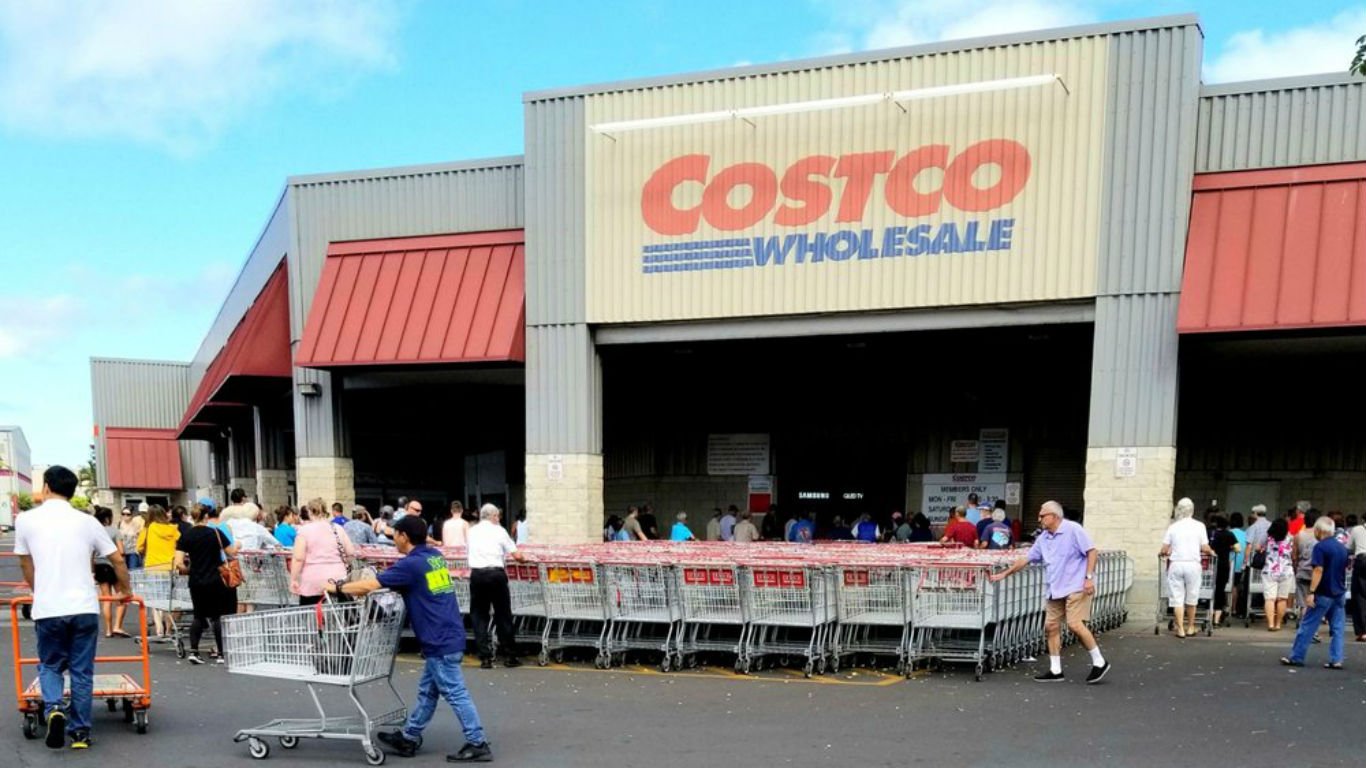
Consumer advocate Clark Howard has long pointed out an oddity about Costco that almost no other big-box retailer can match: the company frequently sells inventory before it even has to pay the supplier for it. That is a genuine cash flow superpower, and it sits underneath the pricing model that has made Costco (NASDAQ:COST | COST Price Prediction) the most unusual retailer in America.
The Pricing Secret Hiding in Plain Sight
Costco makes its money on membership fees, using razor-thin retail margins on merchandise to lock members in. Trailing profit margin sits at just 3.01% and operating margin at 3.67%, yet return on equity is 29.1%. That combination only works because inventory turns fast enough to fund itself.
CEO Ron Vachris said it plainly on the fiscal Q3 2026 call: “Our goal is to be the first to lower prices and last to raise them.” He backed it up with specific Kirkland Signature cuts, including Crispy Wings from $16.99 to $14.99 and king-size sheets from $89.99 to $79.99. CFO Gary Millerchip added that new Kirkland items offer “savings of at least 15% to 20% to the national brand equivalent with equal or better quality.”
Why the Cash Flow Angle Matters
When a retailer sells a pallet of Kirkland detergent before the supplier invoice is due, the working capital cycle inverts. Suppliers effectively finance the shelves. That is why Costco can afford to run a reported gross margin of just 11.04% in Q3 2026 while net income still rose 15.19% to $2.19 billion on revenue of $70.53 billion, up 11.58% year over year.
The membership engine is the other half of the trick. Membership fee income hit $1.37 billion in Q3, up 10.7%, with 82.9 million paid members and a 92.2% U.S. and Canada renewal rate. Executive memberships grew 9.6% to 41.2 million and now drive roughly three quarters of sales. For investors watching pattern-recognition setups in long-duration compounders, the loyalty math is the real moat.
What Investors Should Watch Next
June 2026 net sales came in at $29.24 billion, up 10.6%, with digitally-enabled comps up 20.9%. RBC Capital Markets initiated with a Sector Perform and a $1,000 price target, praising the model but flagging valuation at roughly 37 times fiscal 2028 EPS. Shares closed at $921.31 on July 10, down 6.83% over the past month but up 6.55% year to date.
The bear case is valuation compression. The bull case is that Costco keeps cutting Kirkland prices while total U.S. retail sales sit at $763.7B in May, in the 90.9th percentile of the trailing year. As long as members keep renewing near 90% and suppliers keep floating the inventory, the pricing secret keeps compounding.
Contact [email protected] for any questions or corrections.
Joel South covers large-cap stocks, dividend investing, and major market trends, with a focus on earnings analysis, valuation, and turning complex data into actionable insights for investors.
He brings more than 15 years of experience as an investor and financial journalist, including 12 years at The Motley Fool, where he served as an investment analyst, Bureau Chief, and later led the Fool.com investing news desk. He has also co-hosted an investing podcast and appeared across TV and radio discussing market trends.